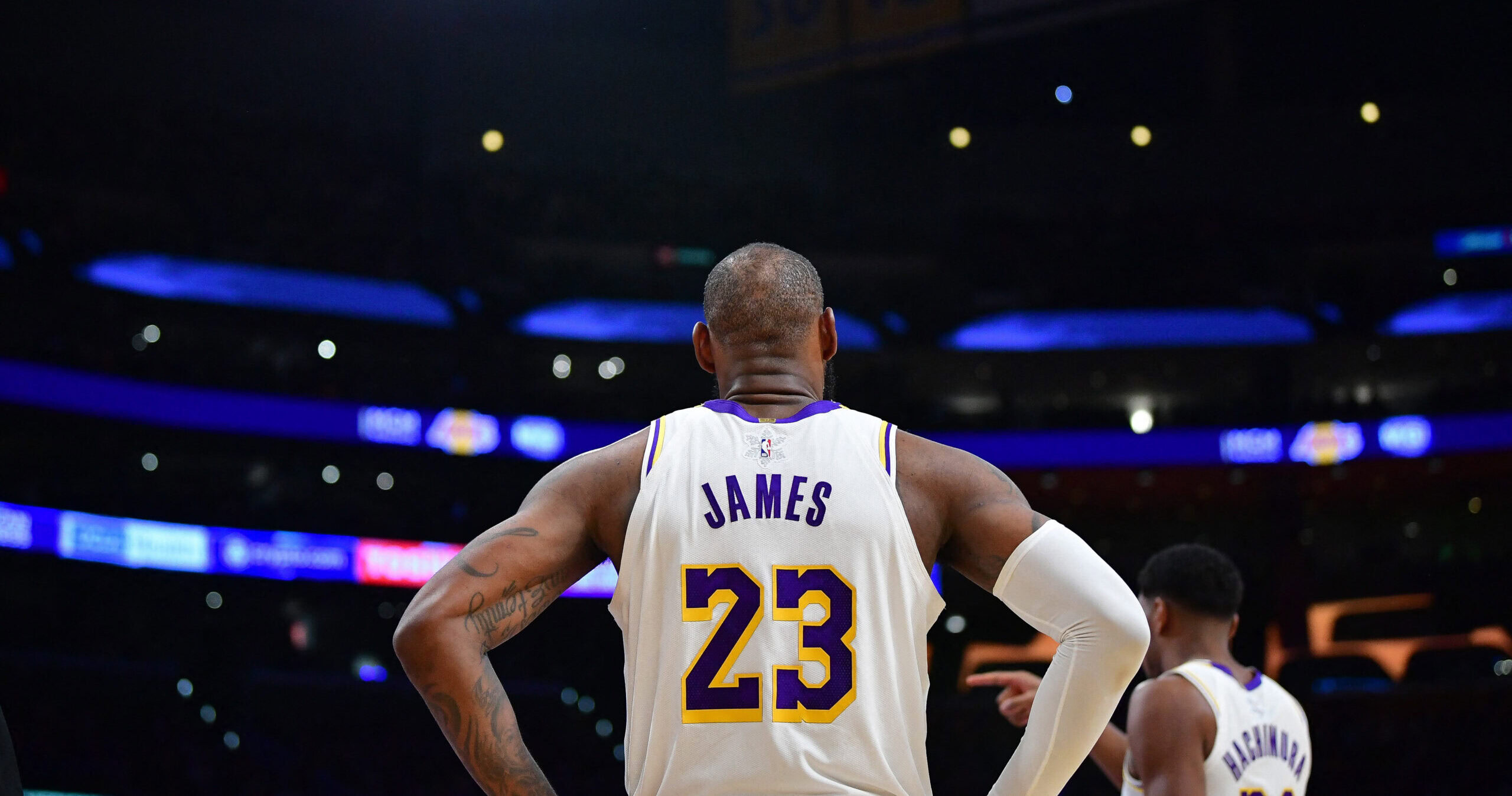
Every couple of years, like clockwork, LeBron James takes over an entire NBA offseason. The summer of 2026 was the loudest one yet. On June 30, after eight seasons in Los Angeles, the King had his agent tell the Lakers they could move on without him. Then he went quiet. For three and a half weeks the entire league, the TV networks, and the commissioner himself sat around refreshing their phones. On July 24 he finally surfaced: Philadelphia 76ers, two years, $8 million, at 41 years old, chasing a 24th season. Not retiring. Never that.
And that’s the thing a lot of people can’t take anymore. Plenty of them didn’t hear “LeBron leaves the Lakers” and feel drama. They felt tired. Tired of the free-agency soap opera, the countdown clocks, the endless think-pieces (guilty), the sheer inescapability of a dude who’s been the main character of the league since flip phones. Somewhere between his fourth franchise and his 41st birthday, “I hate LeBron” quietly turned into “I just wish this man would retire so we could talk about somebody else.”
But hating LeBron is a full-time job, and business is still booming. Every summer he finds a new way to stay the story, and every summer the haters clock back in. So before you write his farewell, here are the top 10 reasons people can’t quit the King.
“The Decision”
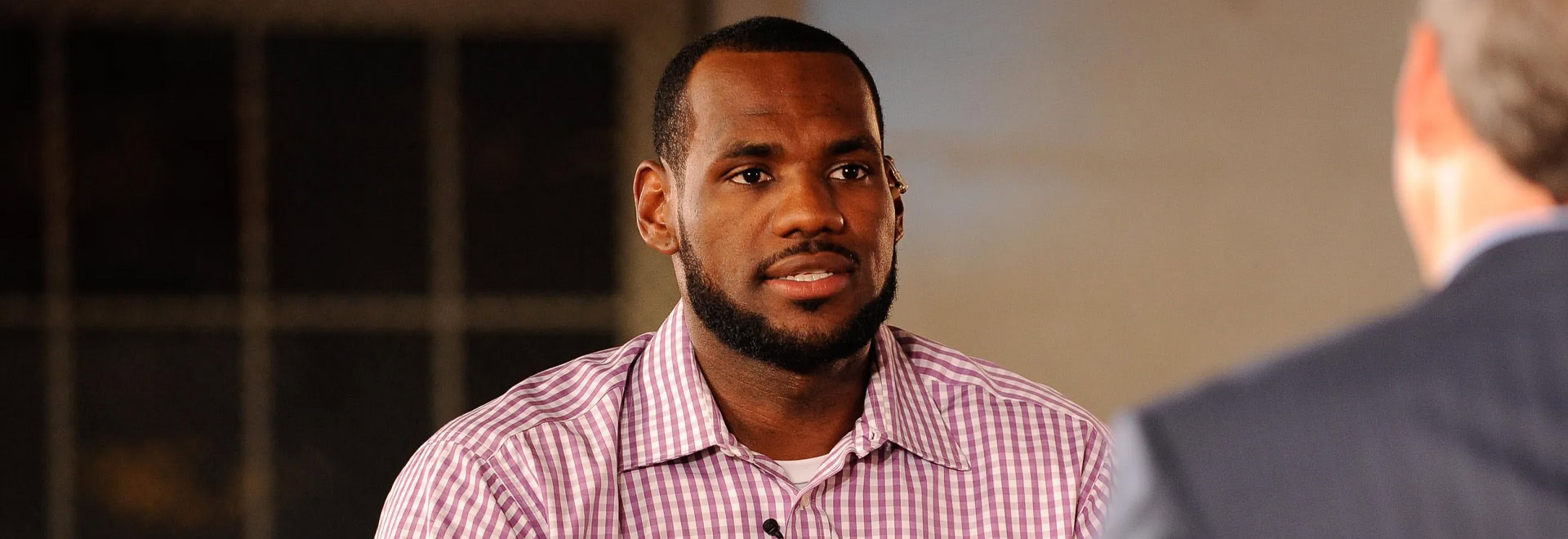
Remember when LeBron had the audacity to announce his free agency in a televised special? Who TF did he think he was?! It’s not like large corporations pull this sort of thing with mergers and splits. Wait, he is a large corporation. But that’s not the same, he’s just an NBA player who needs to show some loyalty. Meanwhile teams and arenas chase money and recognition in business deals every day. Nah, not the same, right?
Loyalty and commitment? Who needed that when we could have an evening of dramatic TV?
Then sixteen years later he ran it back with the lights off. No ESPN special this time, no Boys & Girls Club, no Jim Gray. Just a man declining to speak for twenty-four days while a multibillion-dollar league held its calendar open, followed by a post on his own account announcing Philadelphia. He called it “my last decision,” which is either a graceful bookend or the single pettiest callback in sports history, depending on how much you like him. The format changed. The instinct never did.
Superteam Formation
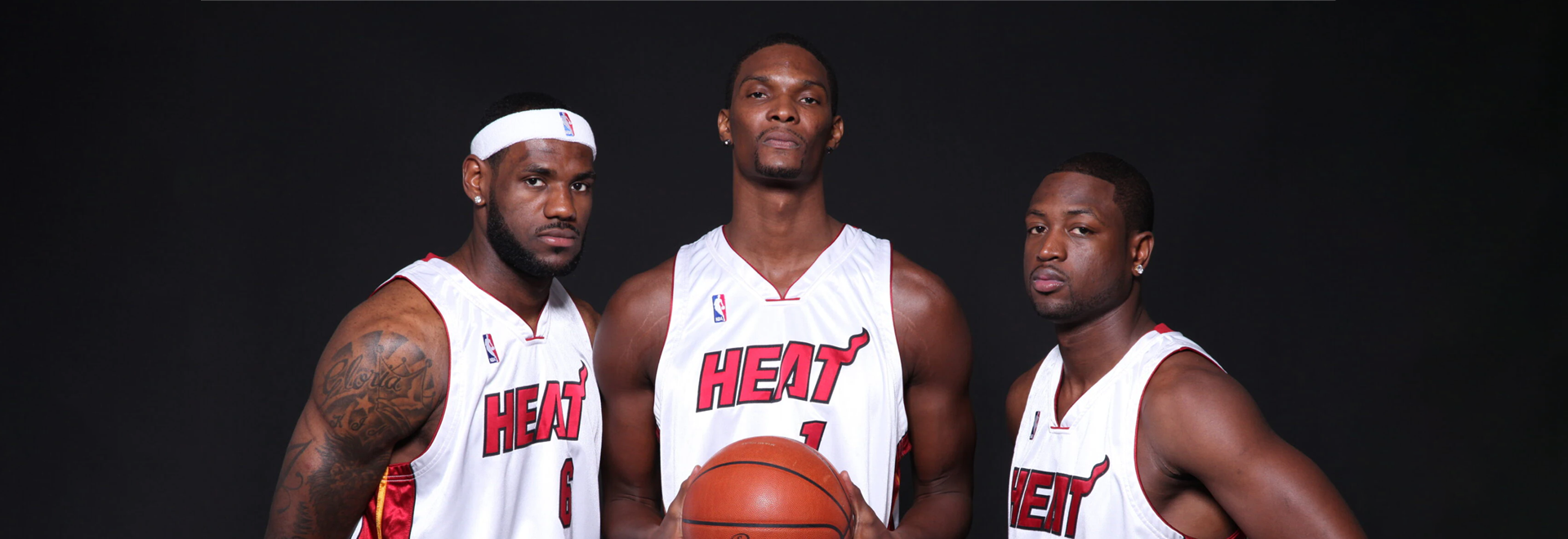
Back in 2010, LeBron the mastermind diabolically gathered an ensemble of superstars to effortlessly dominate the league, to the exciting surprise of the LeBron James Global Coalition of Haters (LJGCH for short. Don’t look it up).
Their grand debut didn’t exactly go according to plan. They dropped a humiliating six-game series to the Mavericks in the 2011 Finals, the same one that sparked #CryGate.
Dirk Nowitzki took home Finals MVP. Turns out even with all that talent on the roster, you still gotta put in the work on the court.
So even star-studded lineups stumble, proof that talent alone doesn’t win you anything. Then the three of them figured it out and won three championships together anyway, infuriating the haters even more.
Rivalry and Competition
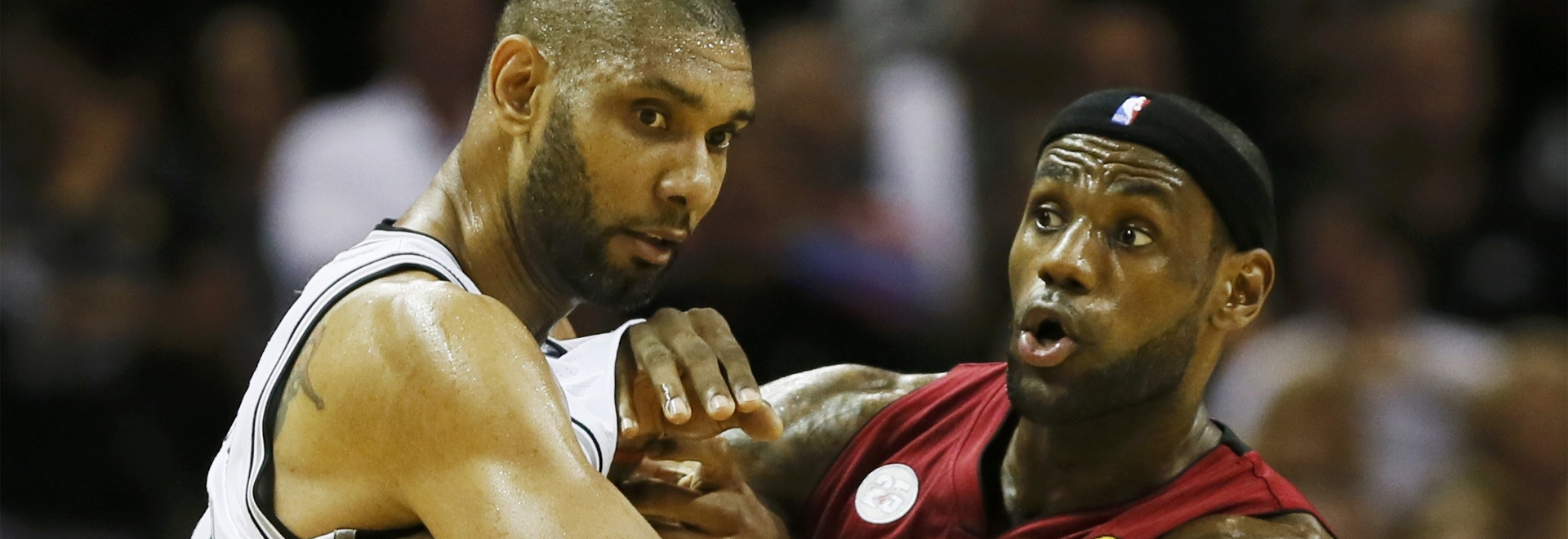
LeBron’s unparalleled success has been a source of endless disappointment for fans of opposing teams: the Toronto Raptors (who have always been LeBron’s sons), the Boston Celtics, the Chicago Bulls, the Indiana Pacers. These fans all hoped to see their teams become champions, and LeBron’s dominance shattered those dreams in one playoff run after another.
LeBron James’ Team Hopping
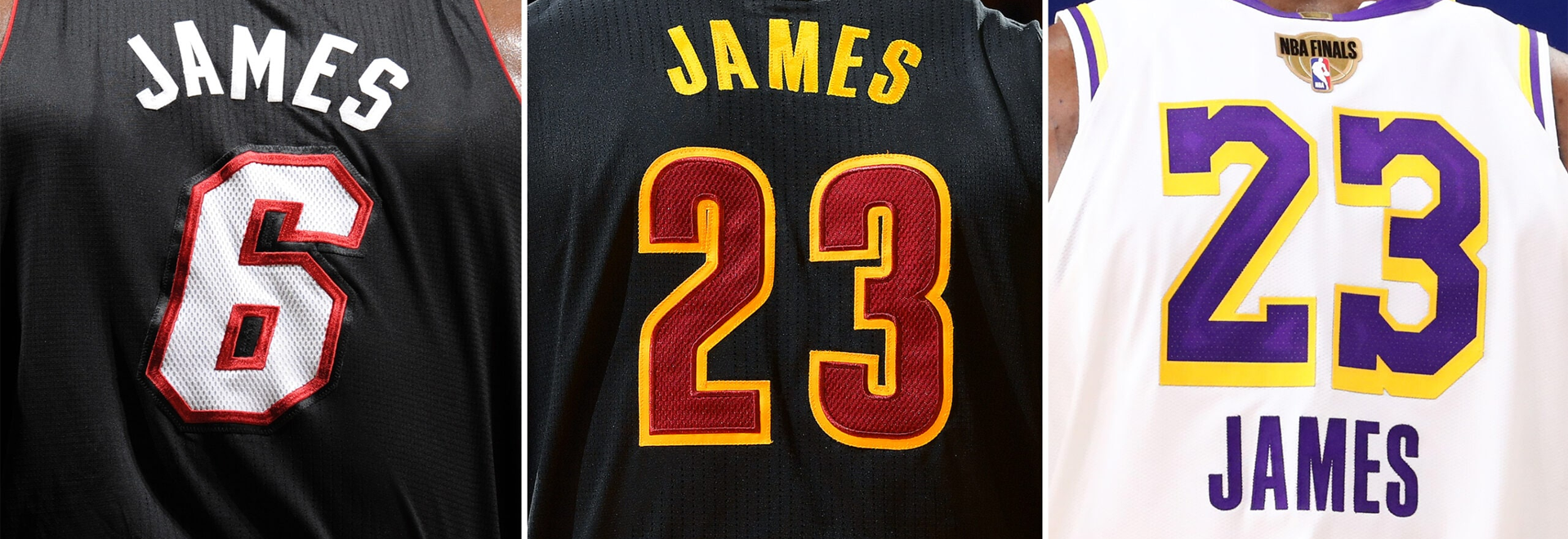
We talked about the superteam he assembled, but we didn’t talk ad nauseam about the three-team salsa LeBron danced with the Heat, the Cavs (again), and the Lakers, holding us hostage on sports news for three long summers. It was technically two teams if you count that one stretch as him returning home to take back the Kingdom in his old country, the one where the owner basically wrote him a Death Note on his way out.
Make it a four-team salsa now. In July 2026 he added the Philadelphia 76ers to the tour, joining Joel Embiid, Tyrese Maxey, and Jaylen Brown, who Philly had already pried out of Boston earlier that summer. Two former Finals MVPs on one roster. Somewhere a Celtics fan is still typing.
But f*** all that! How dare this crybaby flop-king explore different opportunities in his career! He should’ve pledged undying loyalty to a single franchise. ONE franchise! Like our hero Mike and our hero Kobe. And he should’ve done it even if it meant languishing in mediocrity. Eric Snow and Zydrunas Ilgauskas are just as good as Shaq or Pippen, if not better. Let’s stop with the comparisons!
Perceived Ego and Arrogance
TF does this MF LeBron think he is, calling himself “King James”?! The nerve of someone actually believing in his own abilities. We much prefer athletes with humility bordering on low self-esteem, right? He’s reaching with the whole self-aggrandizing “King James” thing. Or is he? Credit where it’s due, the man’s got stats on stats on stats. “The King” has been an All-Star 22 times, every season of his career but his rookie year. He’s a four-time Finals MVP and the only player to win that award with three different franchises. He’s the league’s all-time leading scorer in both the regular season and the playoffs, sitting around 43,400 regular-season points, and he’s played in more wins than anybody who ever laced them up. And let’s not forget the off-court accolades, the philanthropy, the business ventures. It’s not his fault the Promise School had bad teachers and a bad curriculum.
Folks can’t help but roll their eyes at the whole “King James” thing. There’s plenty of other players grindin’ just as hard without all the floppin‘ theatrics. But hey, LeBron’s gonna LeBron. Love him or hate him, you can’t deny he’s kept the game and the NBA in a never-ending LeBron news cycle since the day he entered the league. And if he wants to call himself king, who are we to argue?
Polarizing Leadership Style
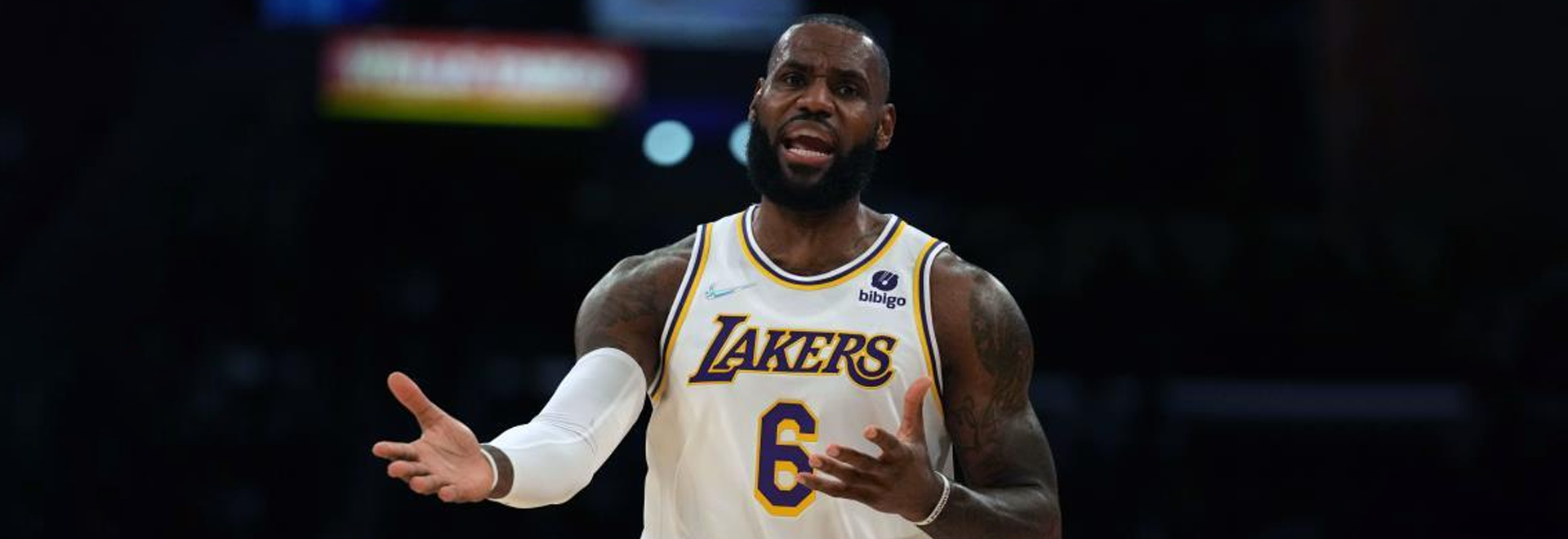
LeBron’s controversial leadership style, marked by a strong personality and an unyielding drive for excellence, has sparked plenty of debate. Critics argue it’s an egocentric approach that undermines team dynamics, while others admire his relentless pursuit of victory. Either way, there’s no denying his impact on the court and his knack for rallying teammates toward greatness.
He’s also got a savant-like ability to read the game from the floor and put teammates in the right spots, a skill that’s earned praise from all over the league. Superstars like Kevin Durant, Stephen Curry, and Chris Paul have all commended his court vision and basketball IQ, his knack for orchestrating plays and elevating everyone around him. To the chagrin of the haters, that’s exactly why so many people figure he’s got a future as a coach, or at the very least somewhere in a front office.
The LeBron James vs. Michael Jordan Debate
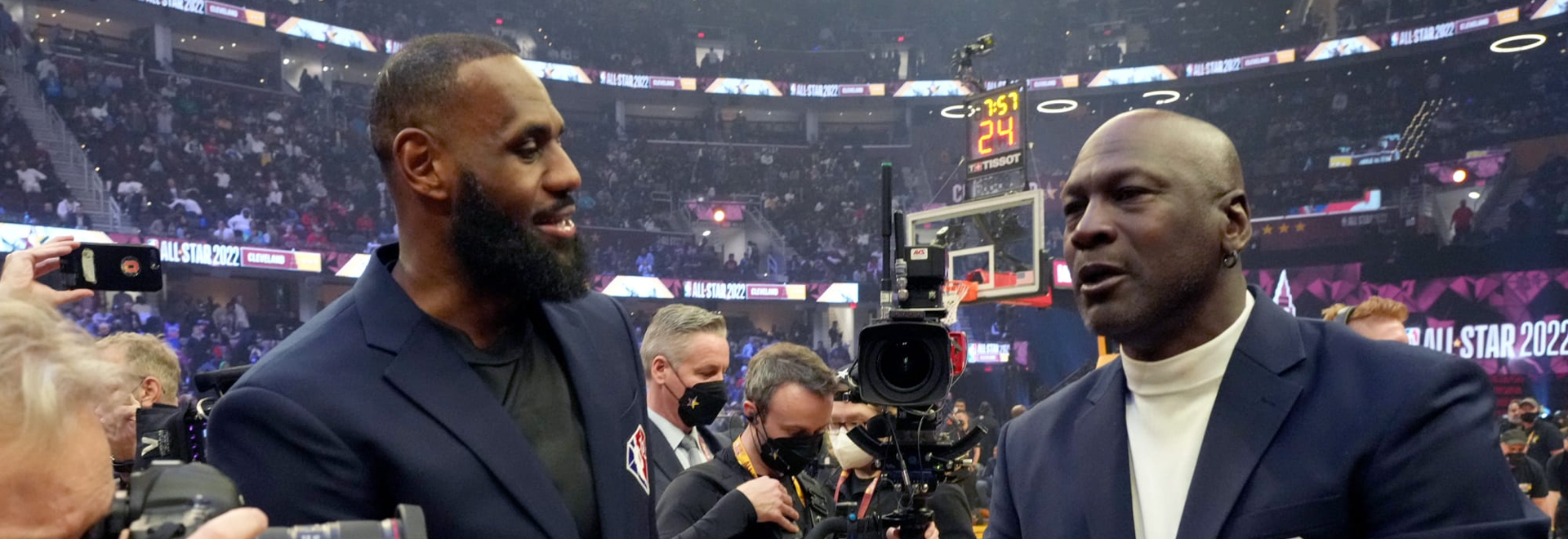
The tiresome, never-ending comparisons between LeBron and Michael Jordan still dominate basketball media. Fanatical debates, fueled by relentless fans and overzealous analysts, have turned into an insufferable saga with no end in sight. These comparisons occasionally shed light on what makes each player great, but they mostly devolve into shouting matches that overshadow everything else about the game.
Poll Results
Poll: Which Actor Was the Best Batman


Cast your vote
Which Actor Was the Best Batman
Cast your vote
Poll: Which Actor Was the Best Batman
And yet this is the same debate that keeps half the sports-media industry employed. Without the LeBron-versus-Jordan narrative, you have to wonder what would fill all those airwaves and column inches. It’s a staple now, driving engagement across every platform. Exhausting as it is, the argument has quietly become a load-bearing part of basketball discourse, shaping how we talk about the sport’s greatest players.
But hey, let’s keep fueling the ego battles and chasing the myth of the one true “greatest,” while ignoring the specific greatness each of them actually brought to the game.
Off-court Activism

The outcry over LeBron using his platform for social and political issues comes from a familiar place: the idea that athletes should stay apolitical and stick to their sport. “Shut up and dribble,” son! That demand dismisses the humanity and agency of athletes, reducing them to entertainers whose opinions carry no weight off the court. LeBron speaking out gets treated as a challenge to that expectation, a bold claim on his right to say something that matters beyond basketball.
That backlash ignores how much power he actually wields as a public figure. By using his platform on racial injustice, education reform, and voter suppression, LeBron has shown a real commitment to putting his voice behind change. His efforts have started important conversations and pushed other people to act, the kind of thing that turns an athlete into a catalyst instead of a mascot. Maybe instead of writing his activism off as frivolous, it’s worth recognizing what athletes’ voices can do. They’re not just entertainers. They’re people with the reach to actually change something.
LeBron James Media Attention
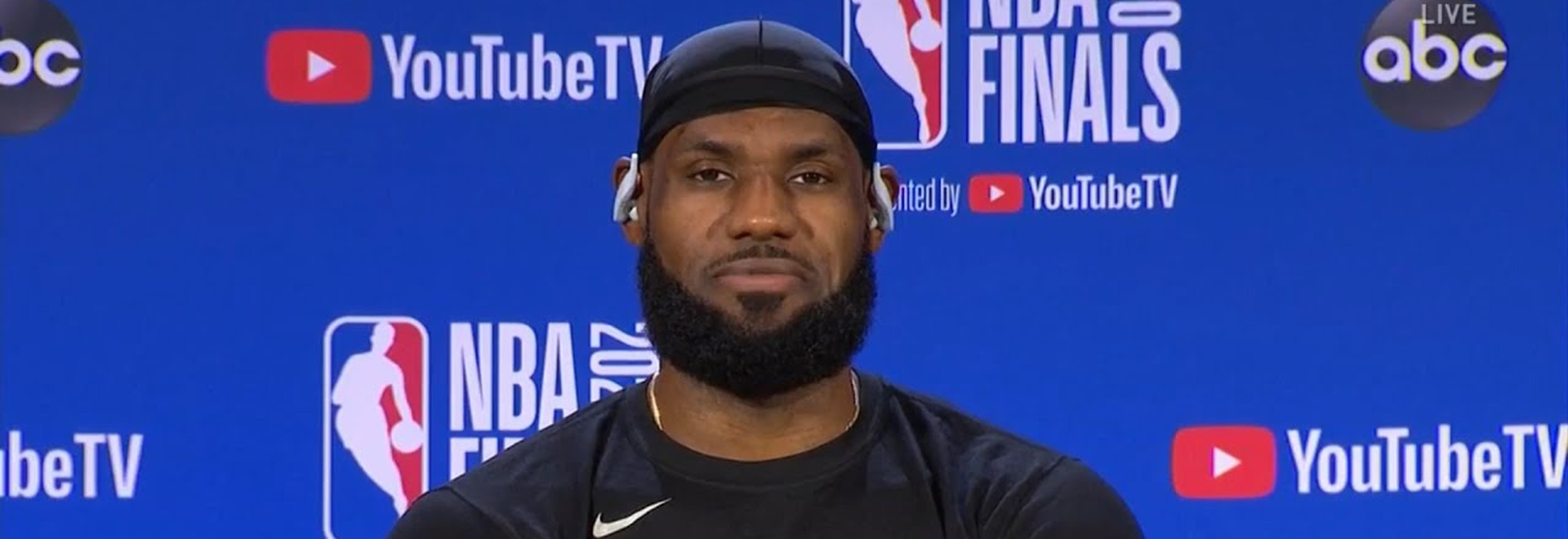
LeBron lives under a relentless media microscope. Every move, every meal, every fashion choice gets scrutinized like it holds the key to basketball greatness. From his pre-game rituals to his post-game celebrations, no detail is too trivial for the voracious appetite of sports coverage. It’s a spectacle with no ceiling, burying us under a pile of superficial noise that usually drowns out the actual game.
In all that frenzy it’s easy to lose the plot somewhere between LeBron’s latest Instagram post and his choice of footwear, especially for an athlete this vocal and this online. In a culture obsessed with celebrity, substance takes a backseat to sensationalism every time. The circus is good for gossip and a little cheap entertainment, but it pulls us further and further from the game itself.
Maybe it’s time to drop the trivia and put our attention back on the game itself. Hell nah! We hate LeBron James! That’s a never-ending job.
LeBron James Stans (Bronsexuals)
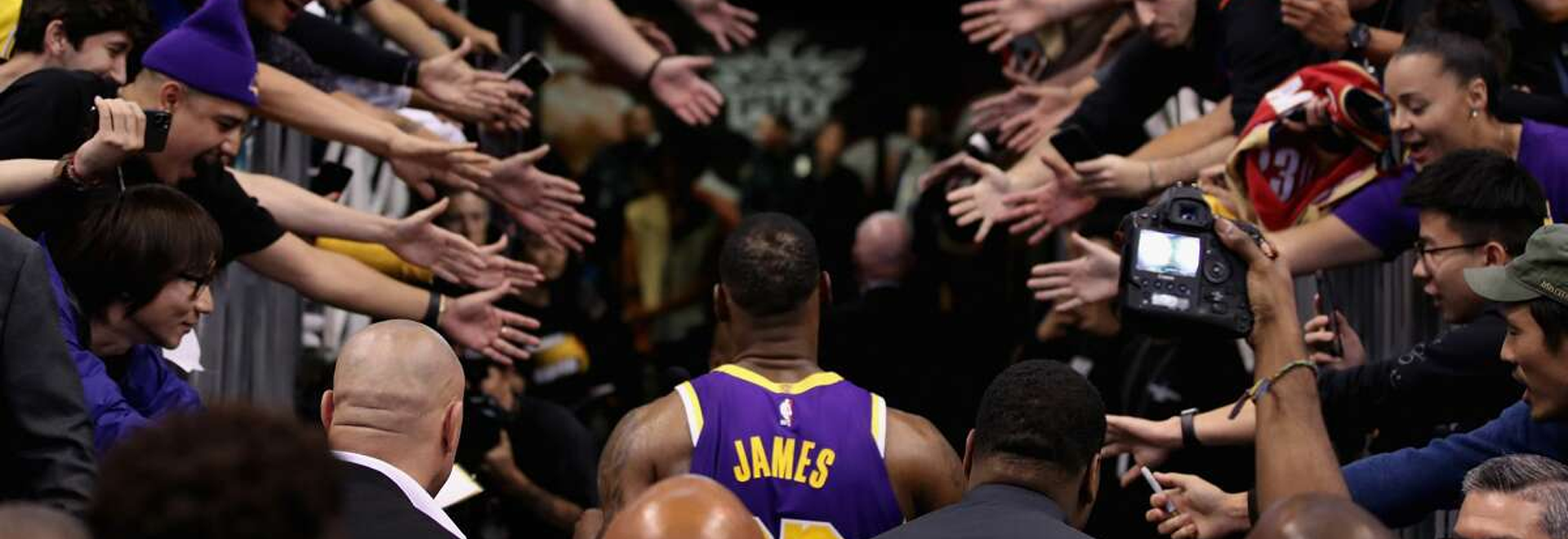
LeBron’s die-hard fanboys are a fervent, unyielding force with a level of devotion that borders on religious zealotry. Their allegiance goes way past admiration. It’s baked into their identity, shaping how they see the world and how they move through the basketball community. Hit them with a dissenting opinion or an actual logical argument and they don’t budge, defending their hero with a fervor that knows no bounds.
What’s genuinely fascinating is how far they’ll go to protect the legacy. Whether it’s going to war on social media, defending his honor in barbershop debates, or proudly throwing on the jersey come game day, these fans do not waver. It’s a testament to how deeply LeBron has shaped the basketball landscape, inspiring a whole generation that sees him not just as a player but as a symbol of greatness and resilience. Their devotion looks baffling from the outside, but really it’s just the powerful bond between athlete and fan, forged through years of shared triumphs and tribulations on the court.
Love him or hate him, LeBron holds what some would call a divine position in the game. His skills, his achievements, and his sheer staying power have reshaped an NBA that plenty of greats built before him. Beyond the on-court stuff, his philanthropy, his leadership, and his activism have left a real mark. His popularity has turned into serious money for the league and its partners, pulling in millions of fans and padding the bottom line. Whatever your personal opinion, his impact on the game and on the NBA’s balance sheet is undeniable, no matter how many people hate him.
The Summer LeBron Made the Whole League Wait
If you want the single cleanest example of why this man generates so much heat, the summer of 2026 handed it over gift-wrapped.
LeBron’s earlier free agencies moved fast. Miami on July 8, 2010. Cleveland on July 11, 2014. The Lakers on July 1, 2018. This time he had Rich Paul tell the Lakers on June 30 that they could move on, and then he simply stopped talking. Days went by. Then weeks. He sailed past every one of his own previous decision dates while four franchises, a few hundred reporters, and roughly the entire basketball internet sat there waiting on one man’s text message.
And “the entire league” isn’t me being cute. On Thursday, July 16, at CNBC’s Game Plan summit in New York, Adam Silver, the actual commissioner of the NBA, said on the record that the 2026-27 schedule was stuck until LeBron picked a team. Where he landed would shape opening week and the Christmas Day slate, which happen to be the most valuable television windows the league sells. Silver’s words, which are about as close to begging as a commissioner gets: “I would like him to make his announcement already, so we can finish the schedule.”
Sit in the hater’s chair for a second and it does sound absurd. One 41-year-old on a two-year, $8 million deal, holding up the calendar for thirty franchises, their season-ticket holders, and every network that paid billions for the rights. There’s no rule saying a free agent owes anybody a deadline, and he’d earned the right to take his time. I just can’t remember another player whose zip code held up the league’s calendar.
The next day, July 17, LeBron walked into the most obvious announcement venue imaginable and declined to use it. Taping a live episode of The Shop at Fanatics Fest in the Javits Center, in front of a packed room that had shown up more or less specifically for this, he called the schedule situation “crazy” and said he wouldn’t hold everybody up much longer. Then he didn’t announce anything. The commissioner asks you to hurry up, and the next day you tell a sold-out arena you’re not ready yet. Iconic, honestly, depending on which jersey you own.
He did drop one hint that nobody clocked properly at the time. Talking about what he wanted in a team, he said he was looking for a franchise “practicing championship habits every day, but trusting the process more than anything.” Trust the Process has been Philadelphia’s motto for over a decade. The room audibly lost it. Tyrese Haliburton, sitting right there, jumped on it, and LeBron waved it off by insisting he’d been saying “trust the process” since he got drafted in 2003, before Joel Embiid was even born. One week later he signed with the 76ers. Make of that what you will.
The Teams He Left Hanging
This is the part that got lost once the Philly news broke. For most of that month, Miami was the story. The Heat were the betting favorite at roughly 2-1, ahead of everybody, and the logic was easy: he already won two titles there, he knows the building, Erik Spoelstra is still Erik Spoelstra, and Heat culture was supposedly built for exactly this kind of late-career veteran. A lot of evaluators had Miami as the cleanest basketball fit on the board.
Pat Riley had to sit there in public and wait like everybody else, which is its own kind of poetry given how 2014 ended. Asked about it on July 16, Riley said, “Right now, we’re like everybody else, we’re just waiting to see what he does,” and a few days later called it “a man’s decision.” He also went on Le Batard and admitted the old wound, saying he’d been “very, very disappointed” when LeBron left Miami because “I thought we were looking at a dynasty,” while making clear he’d let the resentment go. Riley waited, said the gracious thing, and got nothing.
Cleveland was circling too, with Donovan Mitchell in place and the obvious homecoming-again narrative sitting right there. And Golden State hung around the whole time, which produced the summer’s best image: Steph Curry standing on a golf course at Moses Moody’s charity tournament, hearing the news shouted at him by fans, checking his phone to confirm, and saying essentially nothing. He got to it a day later. “That’s why you don’t envision anything until it happens. There’s a lot of moving parts.”
Rich Paul later said the finalists weren’t who most people assumed. By his telling it came down to two: “it was a layered decision across the board between Philly and Golden State, and he just really decided on Philly.” So Miami, the team that spent a month as the favorite, never made the last round at all. Neither did Cleveland. Which means a good chunk of that month of speculation was the public chasing a version of the race that had already ended.
The finish itself was almost anticlimactic. On Friday, July 24, LeBron posted that he was signing with the Philadelphia 76ers, two years and $8 million with a player option, down from the roughly $53 million he made in LA the season before. He said he still loves the game and has more to give, and framed the whole thing as “my last decision,” which is a hell of a callback for a man whose original sin was a TV special called The Decision. He made it official that Sunday, with a 15% trade kicker and no eligibility to be dealt until December 15. Pennsylvania’s governor declared a LeBron James Day about it.
Did He Really Stall Just to Spite Adam Silver?
This is the story that stuck, so it’s worth actually running down, because it’s shakier than the way it got repeated.
The claim traces to one person: Andy Baskin, a Cleveland radio host on 92.3 The Fan’s Baskin and Phelps show, on July 21. What he actually said was hedged: LeBron’s crew “was probably ready to make an announcement, especially because they were in New York,” and then “people were telling them what to do,” and the word he got from a source was “irritated,” at the commissioner pushing them, “so they decided to hold back.” That’s an anonymous source, filtered through a local radio host, with Baskin’s own “probably” doing real work in the middle of it. Within about a day it had been laundered across a dozen aggregators into a flat statement of fact.
What actually supports it: the timing lines up, since Silver spoke on the 16th and LeBron pointedly didn’t announce on the 17th at the one venue built for it. Rich Paul’s public posture matched the mood too. On his podcast with Max Kellerman he said, “We’re not going to be rushed. It’s his choice to make and when he makes the choice, he’ll make it,” and pushed further into the principle of the thing: “why is it that an athlete has to rush his choice?” Paul also confirmed there was a real conversation behind it, saying he’d seen Silver in New York and the two of them discussed it. So the friction was genuine.
What undercuts it is more interesting. No national reporter ever corroborated the spite angle. Not Shams, not anybody with actual Klutch access, and neither LeBron’s camp nor the league office confirmed or denied it. And the theory made a prediction that failed in public. Once the irritation story took hold, the expectation moved with it, and NBA reporter Evan Sidery relayed that “many around the NBA now believe this could ultimately be delayed into early August.” LeBron announced on July 24. If he was stretching this out to make a point to the commissioner, he made it for about eight days and then quit.
The boring explanation covers the facts about as well: Paul said from the jump there was no timetable and that money wasn’t the driver, and reporting at the time turned up no cap mechanics or pending trade forcing anybody to wait. Which leaves the possibility that a 41-year-old deciding where to spend the last years of his career simply hadn’t made up his mind. Paul’s own line, that if he doesn’t really know then you can’t rush it, is the least dramatic version and the one that requires no anonymous sourcing at all.
So call it plausible and unproven. The annoyance almost certainly existed, and Paul basically said so on the record without ever using the word. The part where LeBron deliberately extended the wait to make Adam Silver sweat rests on a single unnamed source and never got confirmed by anyone with real access. It spread because it was fun and because it fit what people already believed about him, which is the same engine that’s powered most of this list for sixteen years.
Either way, add it to the pile. It’s really just the old complaints compounding interest. He made the commissioner say please, made Pat Riley wait in public, kept a golf course full of Warriors fans holding their breath, and delivered the answer on his own clock in his own house. That’s the whole LeBron experience compressed into one month.
Has Public Opinion on LeBron Changed?
Here’s the thing about LeBron hate: it hasn’t disappeared, it’s shifted. The conversation around him in 2024 and 2025 sounds noticeably different from the “Decision”-era backlash or the social media wars of his early Lakers years.
Some of the softening is simple math. LeBron turned 40 and is still playing in the NBA, which at this point is less a career and more an act of defiance against human biology. The longevity alone has flipped some skeptics. It’s hard to keep calling a guy entitled when he’s outworking players half his age in year 22.
Then there was the Bronny factor. When LeBron took the floor alongside his son Bronny on the Lakers in 2024, they became the first father-son duo to play together in NBA history, and even his loudest critics had to pause. Whatever you think of his ego or his roster influence, a father playing pro ball with his son is objectively a moment.
Off the court, his business empire has quietly gotten harder to dismiss. SpringHill Entertainment is a legitimate production company, and his ownership ambitions and media ventures point to a post-playing career that could rival what he did on the floor.
But the hate hasn’t vanished. The political commentary still rubs a chunk of fans the wrong way. The perceived referee treatment still draws eye rolls. And there’s always going to be a faction of purists who won’t put him over Jordan on principle.
The honest read? LeBron is turning from villain into elder statesman in real time, and not everyone’s caught up yet. The hate hasn’t gone away. It’s just gotten quieter, and a little harder to justify.
And then the summer of 2026 complicated the elder-statesman arc. Three and a half weeks of silence, a commissioner asking him in public to please hurry up, and then Philadelphia at 41 years old. Depending on how tired you already were, that was either the most impressive act of longevity the league has ever seen or proof the man simply cannot let go. For a lot of folks it was the latter. Most of what I saw online wasn’t outrage over him leaving, it was a groan at having to do this again. Another offseason of LeBron Watch, another contender pitch, another year of him at the center of everything. He went from villain to elder statesman to the uncle who keeps announcing he’s leaving the cookout and circling back for another plate. The hate didn’t roar back. It just curdled into fatigue, the “we get it, you’re great, go enjoy your billions” kind.
LeBron made the NBA commissioner ask him in public to hurry up, then took another week anyway. The 2026 schedule sat unfinished until one 41-year-old picked a team.
Frequently Asked Questions About LeBron James
On June 30, 2026, after eight seasons with the Los Angeles Lakers, LeBron James informed the franchise through agent Rich Paul that he would play elsewhere. He is not retiring. After roughly three and a half weeks of silence, he announced on July 24, 2026 that he was signing with the Philadelphia 76ers on a two-year, $8 million contract with a player option on the second year, and made it official that Sunday. It will be his 24th NBA season, at 41 years old. The long wait fed a growing sentiment among tired fans that he should just retire already, even as it underlined his rare longevity.
On July 16, 2026, at CNBC’s Game Plan summit in New York, NBA commissioner Adam Silver said he would like LeBron James to make his announcement already so the league could finish its 2026-27 schedule. James’ destination shaped the most valuable national TV windows, including opening week and the Christmas Day slate. The next day, James appeared at Fanatics Fest in New York, called the situation crazy, said he would not hold everyone up much longer, and still did not announce. He signed with the Philadelphia 76ers eight days after Silver’s remark.
It is plausible but unproven. The claim traces to a single report on July 21, 2026 from Cleveland radio host Andy Baskin, who cited an unnamed source saying James’ camp was irritated by the commissioner pushing them and decided to hold back. Baskin himself hedged, saying the camp was probably ready to announce. No national NBA insider corroborated it, and neither James’ camp nor the league confirmed or denied it. The theory also predicted a decision slipping into early August, which did not happen: James announced on July 24. Agent Rich Paul’s on-record explanation was simpler, that there was no timetable and the choice was James’ alone to make.
The Miami Heat spent much of July 2026 as the betting favorite at roughly 2-1, and the Cleveland Cavaliers and Golden State Warriors were also linked to him. According to agent Rich Paul, the actual final choice came down to two teams: he described it as a layered decision between Philadelphia and Golden State, with James ultimately choosing the 76ers. Miami and Cleveland did not make the final round despite months of speculation.
LeBron James signed a two-year, $8 million contract with the Philadelphia 76ers, with a player option on the second year that lets him revisit his future in June 2027. The deal includes a 15% trade kicker, and he is not eligible to be traded until December 15, 2026. It is a steep pay cut from the roughly $53 million he earned with the Lakers in 2025-26. In Philadelphia he joins Joel Embiid, Tyrese Maxey, and Jaylen Brown, whom the Sixers acquired from Boston earlier that offseason.
Common reasons include his televised free agency decision (The Decision), forming superteams, team-hopping between the Heat, Cavaliers, and Lakers, his self-proclaimed King James persona, constant comparisons to Michael Jordan, his off-court political activism, and the overwhelming media attention that follows everything he does.
The Decision was a televised special in 2010 where LeBron James announced he was leaving the Cleveland Cavaliers for the Miami Heat. Critics saw it as an egotistical spectacle that prioritized drama over loyalty and commitment to his hometown team, turning many fans against him.
The LeBron vs. Jordan debate is one of the most tiresome yet inescapable topics in basketball media. Both players have unique strengths and legacies, and the comparisons often devolve into heated arguments that overshadow the game. The debate has paradoxically become an essential component of basketball discourse that fuels sports media content.
LeBron James has been named an NBA All-Star 22 times, every season of his career except his rookie year. He is a four-time NBA Finals MVP and the only player to win that award with three different franchises. He is the NBA’s all-time leading scorer in both the regular season and the playoffs, and has played in more career wins than any player in league history. Beyond basketball, he founded the I Promise School and has numerous philanthropic efforts and business ventures to his name.
Bronsexuals is a term for LeBron James’ die-hard fanboys whose allegiance transcends mere admiration and becomes a deeply ingrained aspect of their identity. They defend LeBron with religious zealotry in social media debates, barbershop conversations, and on game day, regardless of dissenting opinions or logical arguments.