
The College Football Playoff: Strength of sched… Nah, money talks.
The College Football Playoff (CFP) is the pinnacle of college football, but its foundation isn’t as pure as fans might hope. While rankings, records, and on-field performances are said to dictate which teams make the cut, a deeper dive reveals that money and media wield as much. if not more. influence over the final selection.
The CFP is a billion-dollar enterprise. The TV deals alone, primarily with ESPN, are worth over $7 billion. That’s before counting sponsorships, advertising, and merchandising. These financial incentives mean the selection committee’s decisions aren’t purely about rewarding the most deserving teams. They’re also about maximizing profit.
It’s no coincidence that perennial powerhouse programs like Alabama, Ohio State, and Georgia frequently find themselves in the playoff conversation. These schools bring massive fanbases, TV ratings, and merchandise sales. A Cinderella story from a smaller program? That’s cute, but if it doesn’t sell jerseys or attract millions of viewers, it’s a hard sell for those managing the purse strings.
Media Coverage Shapes the Narrative
Media influence is another driving force in College Football Playoff selections. Networks and sports analysts flood the airwaves with opinions that sway public perception and, indirectly, the selection committee. A team like Notre Dame or Michigan gets wall-to-wall coverage whether they’re undefeated or struggling because they’re ratings gold.
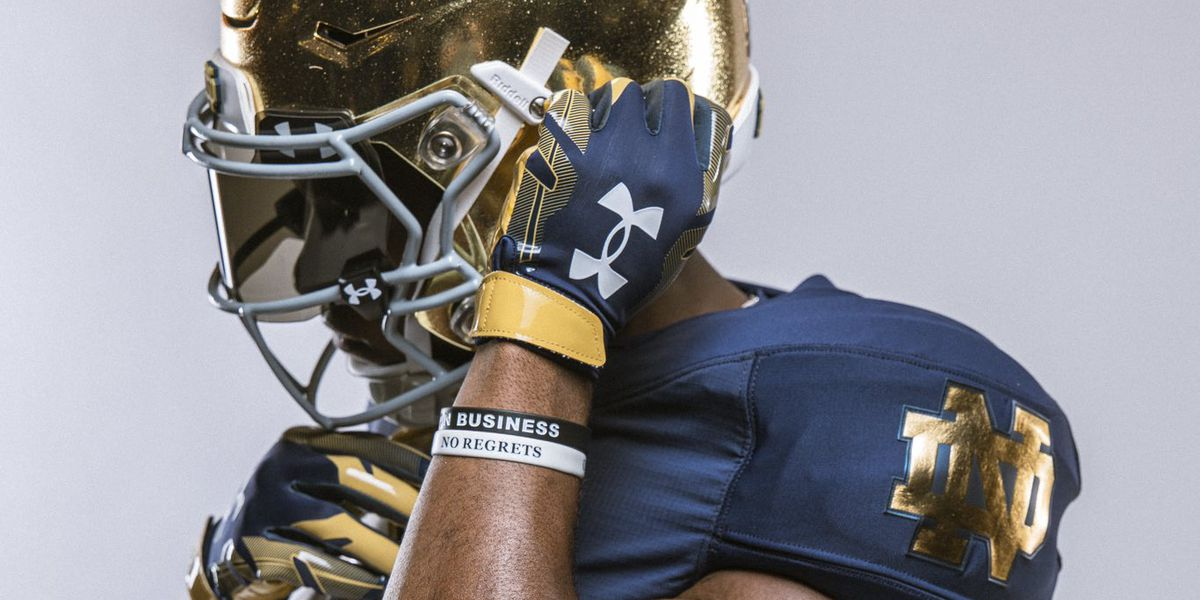
On the other hand, a team like Tulane could go undefeated and still struggle to break through the media noise. When the CFP committee gathers to debate the “four best teams,” you better believe the narratives spun by TV pundits and Twitter discourse are sitting in the room too.
What Fans Really Want: Big Brands and Big Games
Fans might say they want “the best teams,” but ratings data tells another story. People tune in for familiar brands and high-stakes rivalries. The allure of watching Alabama and Georgia square off in a heavyweight battle outweighs the curiosity of seeing an underdog.
This demand aligns perfectly with the playoff’s financial goals. The CFP isn’t just a sporting event; it’s prime-time entertainment. It thrives on storylines crafted as much by media and marketing as by what happens on the field.

Poll Results
Poll: What’s Your Favorite Movie Genre?


Cast your vote
Poll: What’s Your Favorite Movie Genre?
Cast your vote
Poll: What’s Your Favorite Movie Genre?
Just Win? Lanning’s Comments Reflect CFP Realities
Oregon coach Dan Lanning’s blunt advice to three-loss teams, “Just win”, speaks volumes about the College Football Playoff’s overt focus on consistent success. But it also indirectly highlights how the system favors powerhouse programs. While Lanning champions the meritocratic ideal of earning success on the field, the reality is more complicated.
Even if a team racks up wins, it’s clear that media narratives and financial considerations often hold more sway in the final decision-making process. Programs with smaller fanbases or less market appeal, no matter their records, face an uphill battle against the established giants. For these underdogs, the barrier isn’t just winning games. It’s breaking into the elite circle where dollars and media attention carry the most weight.

Newton on “Weight Class”: A Nod to CFP Economics
Cam Newton’s critique of including programs like SMU and Boise State in the expanded 12-team CFP reflects another side of this issue. Newton frames his argument in terms of competition, essentially whether smaller programs are “ready” to compete on the biggest stage. But beneath this comment lies a deeper truth about the CFP: smaller programs often lack the financial clout and media-driven narrative to justify their inclusion in a playoff designed for profit.
Newton’s idea of “weight class” isn’t just about skill or depth. It’s about money. Programs like Alabama, Georgia, and Michigan are perennial CFP contenders not just because of their records, but because they guarantee massive TV ratings, ticket sales, and merchandise revenue. This financial advantage keeps them in a different “weight class,” one where a loss or two doesn’t carry the same penalty as it might for a less lucrative program.
Can the College Football Playoff Change?
As the playoff expands to 12 teams this year, there’s hope that more programs will get a chance to shine. But even with an expanded bracket, the financial and media dynamics remain unchanged. The big-money schools will still dominate the conversation. The media will continue to shape narratives. We see it happening right before our eyes.
If the CFP is serious about rewarding merit, it needs to reckon with its financial incentives. Transparency in selection criteria and less reliance on TV ratings could go a long way in leveling the playing field. Until then, the College Football Playoff will remain as much about dollars as it is about championships.
The College Football Playoff has always been about more than just football. Money and media dictate who gets a shot at the title. Fans are left wondering: Is this really the best the sport has to offer?
Conference Championship Results and Their Impact on the College Football Playoff
The recent conference championship games have significantly influenced the College Football Playoff landscape. Here’s a breakdown of the key outcomes:
SEC Championship: Georgia vs. Texas
In a thrilling overtime battle, the Georgia Bulldogs edged out the Texas Longhorns with a 22-19 victory, securing their spot in the College Football Playoff. This win not only bolstered Georgia’s playoff position but also highlighted the team’s resilience under head coach Kirby Smart.
Big 12 Championship: Arizona State vs. Iowa State
Arizona State clinched the Big 12 title by totally smacking Iowa State 45-19. Quarterback Sam Leavitt’s outstanding performance was pivotal in the Sun Devils’ triumph, earning them a place in the College Football Playoff.
ACC Championship: Clemson vs. SMU
Clemson secured the ACC Championship with a 34-31 victory over SMU, thanks to a 56-yard field goal by Nolan Hauser as time expired. This dramatic win guarantees Clemson a spot in the College Football Playoff.
Mountain West Championship: Boise State vs. UNLV
Boise State emerged victorious 21-7 against UNLV, with running back and Heisman hopeful Ashton Jeanty delivering a standout performance that has reignited discussions. This win enhances Boise State’s profile as they await their bowl game assignment.
These outcomes inevitably reshape the College Football Playoff bracket as well as earning potential of the who shebang. Oh and would you look at that. We went a whole article without mentioning Colorado…
Note: The College Football Playoff selection committee will announce its final team rankings on December 8, 2024. The top five ranked conference champions will be selected to compete, along with the seven highest-ranked remaining teams. The top four conference champions will receive a first-round bye.
Frequently Asked Questions About the College Football Playoff
The CFP is a billion-dollar enterprise with TV deals worth over $7 billion through ESPN alone. Financial incentives mean selection decisions are not purely about rewarding the most deserving teams but also about maximizing profit. Powerhouse programs like Alabama, Ohio State, and Georgia bring massive fanbases, TV ratings, and merchandise sales that smaller programs cannot match.
Smaller programs face an uphill battle because they lack the financial clout and media-driven narrative needed to justify their inclusion. A team like Tulane could go undefeated and still struggle to break through the media noise. Programs with smaller fanbases or less market appeal face barriers beyond just winning games, including breaking into the elite circle where dollars and media attention carry the most weight.
The expanded 12-team CFP selects the top five ranked conference champions plus the seven highest-ranked remaining teams. The top four conference champions receive a first-round bye. While the expansion gives more programs a chance, the financial and media dynamics that favor big-money schools remain unchanged.
Cam Newton criticized the inclusion of programs like SMU and Boise State in the expanded CFP, framing his argument in terms of “weight class” and whether smaller programs are ready to compete on the biggest stage. His comments reflect a deeper truth that smaller programs often lack the financial clout and media narrative to justify their inclusion in a playoff designed for profit.