This article is part of our complete guide to How Hip-Hop Changed Everything.
The most influential hip-hop producers never got enough credit. Rappers get the fame. Producers get a tag and a writing credit if they’re lucky. For every iconic verse you’ve memorized, there’s a beat behind it that made the moment possible, a sonic blueprint crafted by someone who understood that hip-hop isn’t just about what you say. It’s how it sounds when you say it. These are the architects who shaped the genre’s sound across five decades, from sampling vinyl records in basements to sculpting hits on laptops worth more than some studio budgets.
Before anyone starts in the comments, this isn’t a ranked list. Comparing DJ Premier to Metro Boomin is like comparing a vintage APC raw selvedge to a Rick Owens drape. Different eras, different materials, both fire. Different eras, different materials, different genius. What connects them is the same thing: they heard something nobody else heard, and they built a world around it.
Marley Marl
The Foundational Era (1980s–Early 1990s)
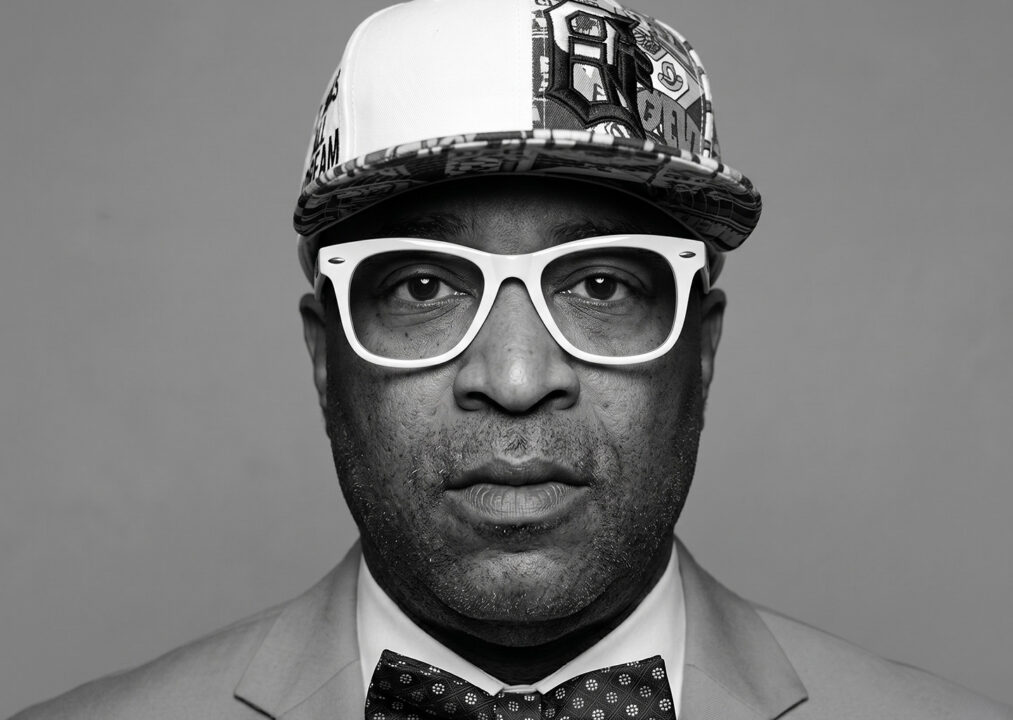
Marley Marl is often cited as the godfather of sampling in hip-hop. Working out of the Queensbridge Houses in the mid-1980s, he accidentally discovered how to sample individual drum hits, a technique that revolutionized production. His work with MC Shan, Roxanne Shanté, and the Juice Crew laid the technical groundwork for everything that followed.
Rick Rubin
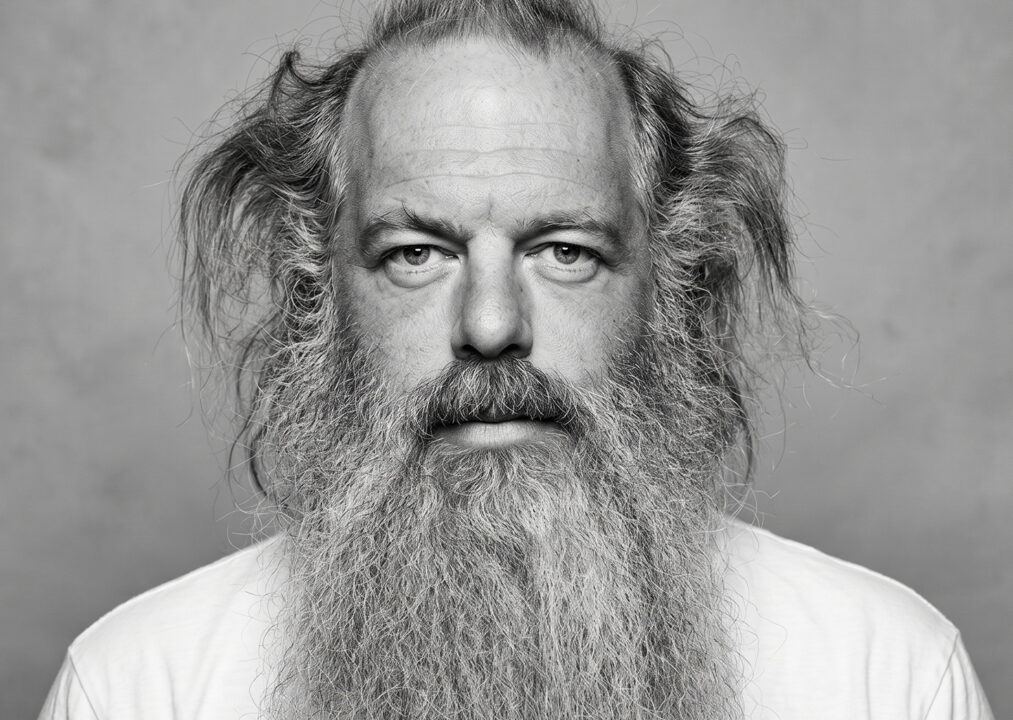
Rick Rubin co-founded Def Jam Recordings out of his NYU dorm room in 1984 and immediately rewrote the rulebook. His production stripped hip-hop down to its loudest, hardest essentials. Run-DMC’s Raising Hell, LL Cool J’s Radio, and the Beastie Boys’ Licensed to Ill all carry his fingerprint. Rubin proved that less could hit harder, an approach he later applied to everything from Johnny Cash to Jay-Z’s “99 Problems” (Rolling Stone).
DJ Premier
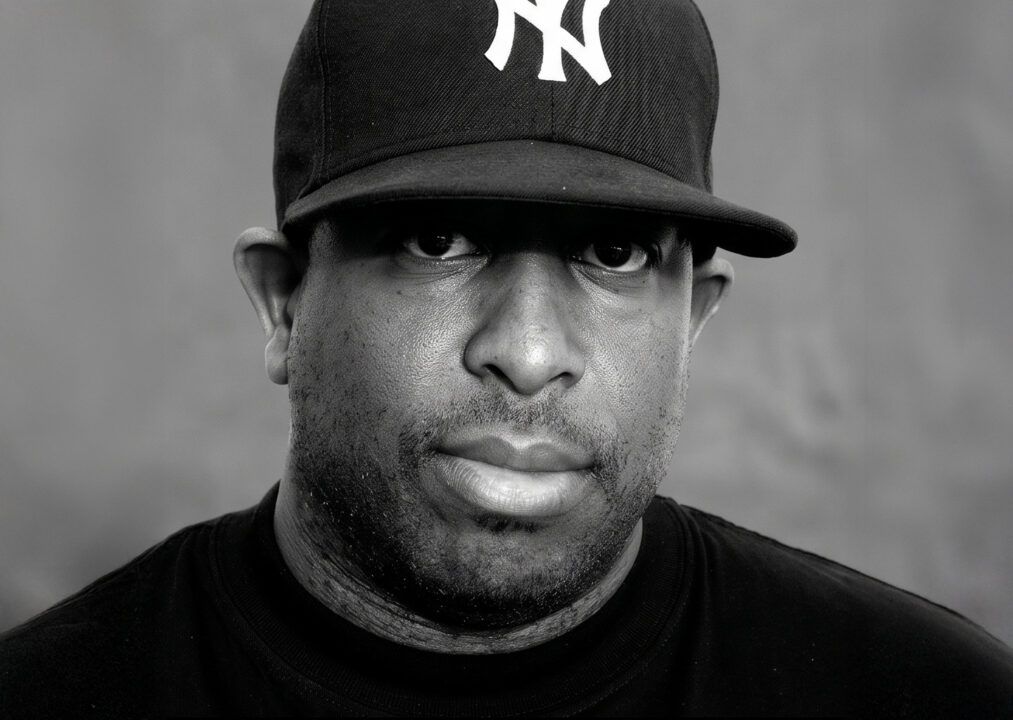
DJ Premier (born Christopher Edward Martin, one half of Gang Starr with Guru) defined the boom-bap sound that became synonymous with East Coast hip-hop in the 1990s. His production credits read like a hall of fame roll call: Nas’s “N.Y. State of Mind,” Jay-Z’s “D’Evils,” The Notorious B.I.G.’s “Unbelievable,” and Gang Starr’s own catalog of classics. His signature scratched hooks and gritty, sample-based beats remain the gold standard for lyric-first hip-hop.
Pete Rock
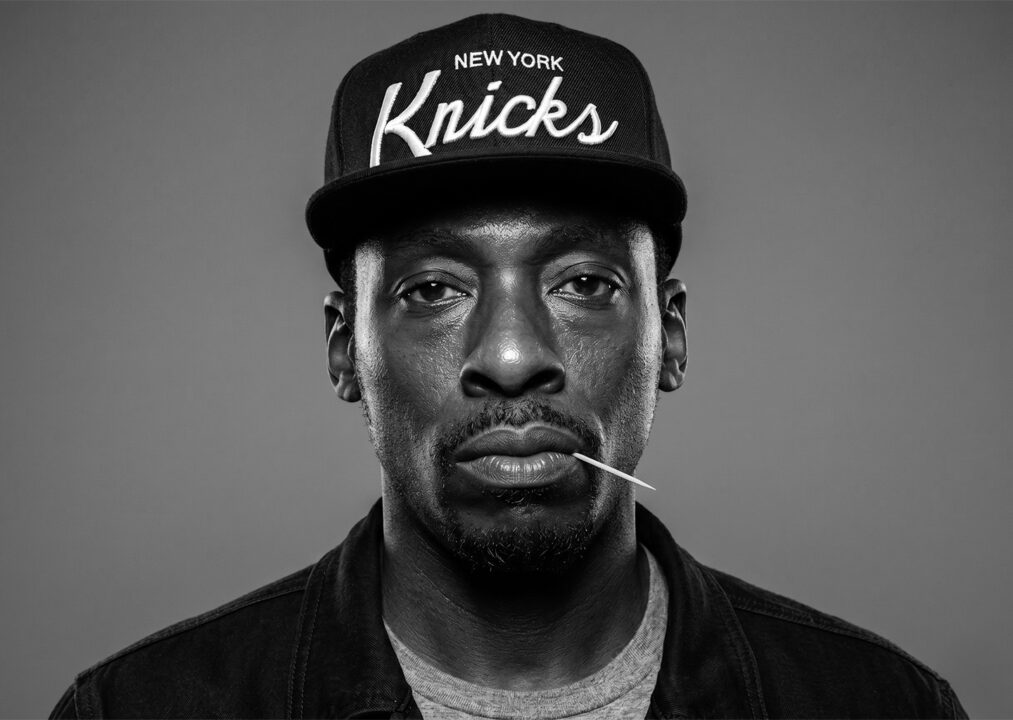
Pete Rock (born Peter O. Phillips) brought jazz-infused sophistication to hip-hop production. His collaboration with CL Smooth produced “They Reminisce Over You (T.R.O.Y.),” widely regarded as one of the greatest hip-hop songs ever recorded (Rolling Stone). Pete Rock’s use of horn samples and lush arrangements proved that boom-bap could be beautiful without losing its edge.
RZA
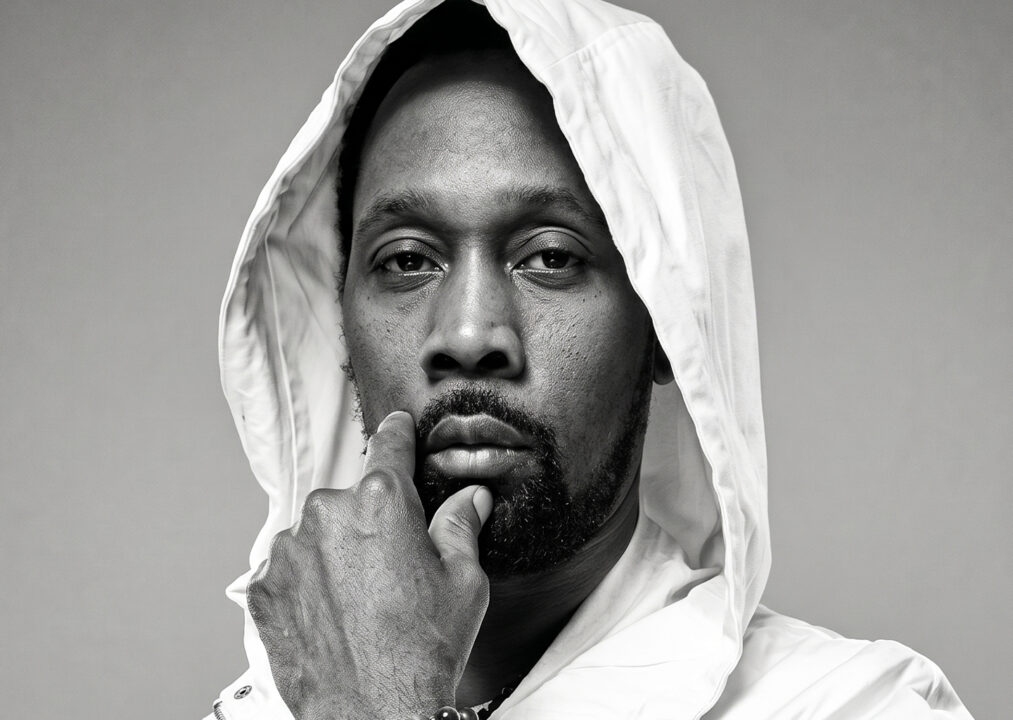
RZA (born Robert Fitzgerald Diggs) constructed the sonic universe of the Wu-Tang Clan. His production on Enter the Wu-Tang (36 Chambers) (1993), built from kung fu movie samples, grimy drums, and eerie piano loops, created an aesthetic that influenced an entire generation. RZA produced the first wave of Wu-Tang solo albums, giving each member a distinct sonic identity while maintaining a cohesive clan sound.
Dr. Dre
The West Coast Revolution
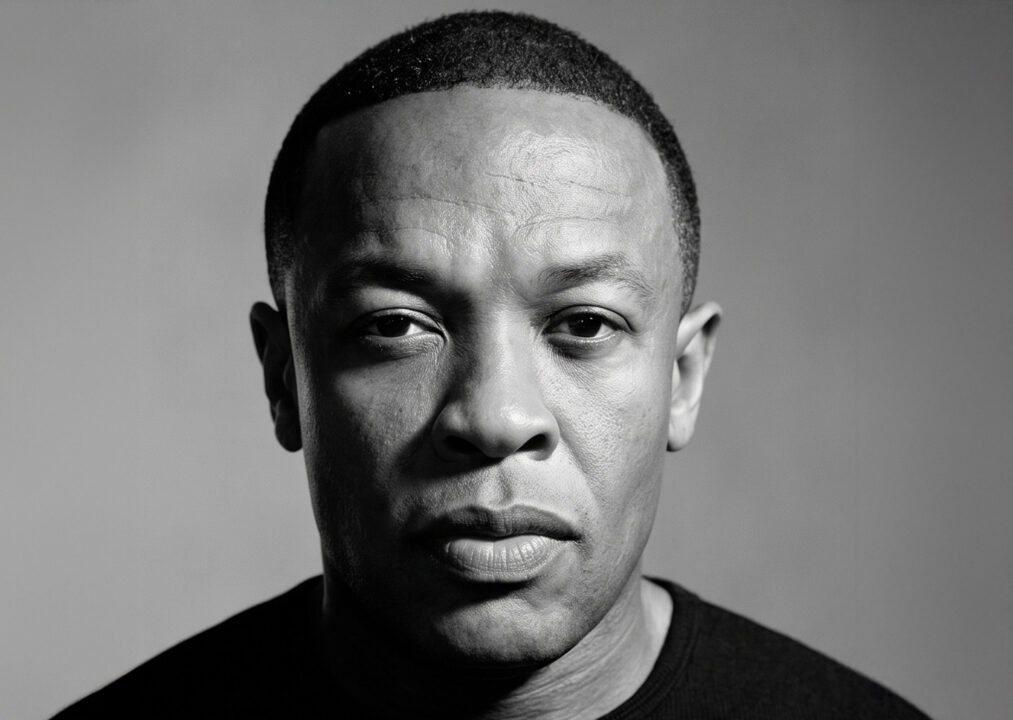
Dr. Dre (born Andre Romelle Young) changed hip-hop production twice. First with N.W.A.’s Straight Outta Compton (1988), which brought raw, aggressive West Coast production to the mainstream. Then with The Chronic (1992), which pioneered G-funk, the laid-back, Parliament-Funkadelic-influenced sound that defined West Coast hip-hop for a decade. Dre’s production credits include launching the careers of Snoop Dogg, Eminem, 50 Cent, and Kendrick Lamar. His ear for talent is arguably even more influential than his beats.
DJ Quik
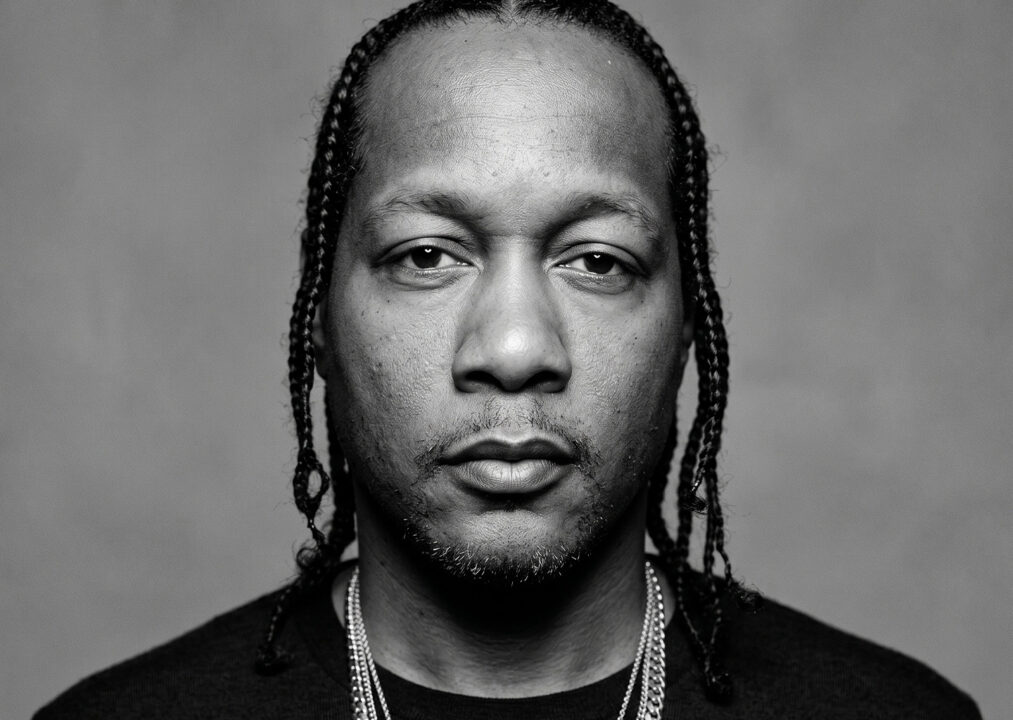
DJ Quik (born David Marvin Blake) deserves more credit than he typically receives. A Compton native and self-taught multi-instrumentalist, Quik’s funk-heavy production on his own albums and for artists like 2Pac and Kurupt helped define the West Coast sound alongside Dre. His ability to play live instruments gave his productions a warmth that pure sampling couldn’t replicate.
Timbaland
The Sonic Innovators (Late 1990s–2000s)
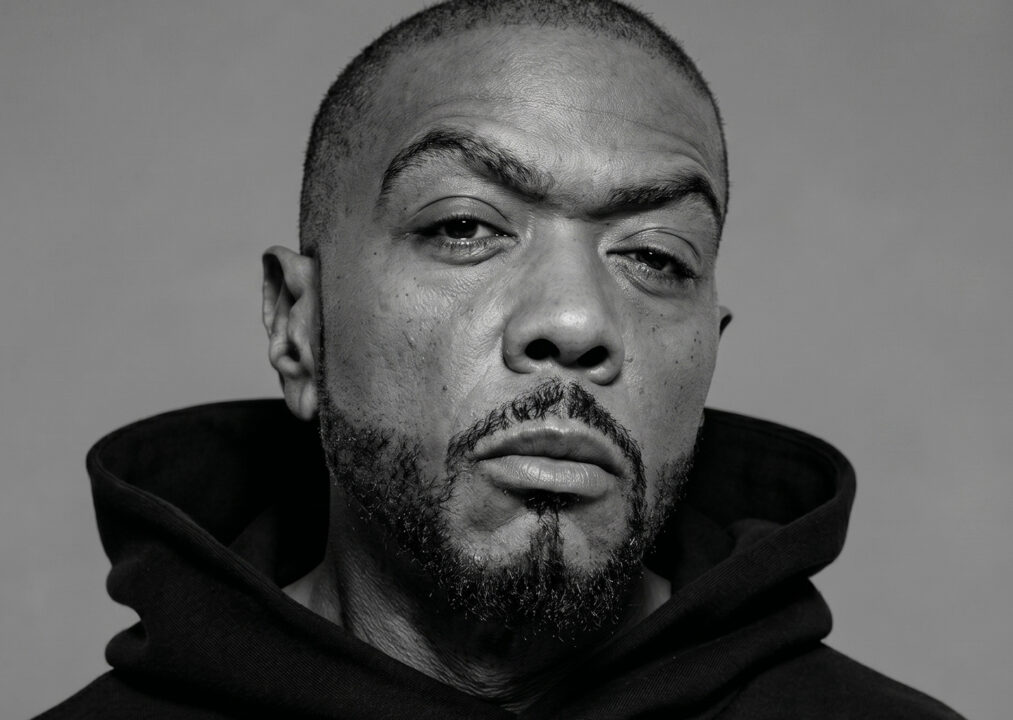
Timbaland (born Timothy Zachary Mosley) didn’t just produce beats, he invented new sounds. His work with Aaliyah, Missy Elliott, and later Justin Timberlake incorporated sounds from Indian music and electronic music, sources nobody else was pulling from. Timbaland’s production on Aaliyah’s One in a Million (1996) and Missy’s Supa Dupa Fly (1997) was so ahead of its time that producers are still studying his techniques decades later.
Pharrell Williams
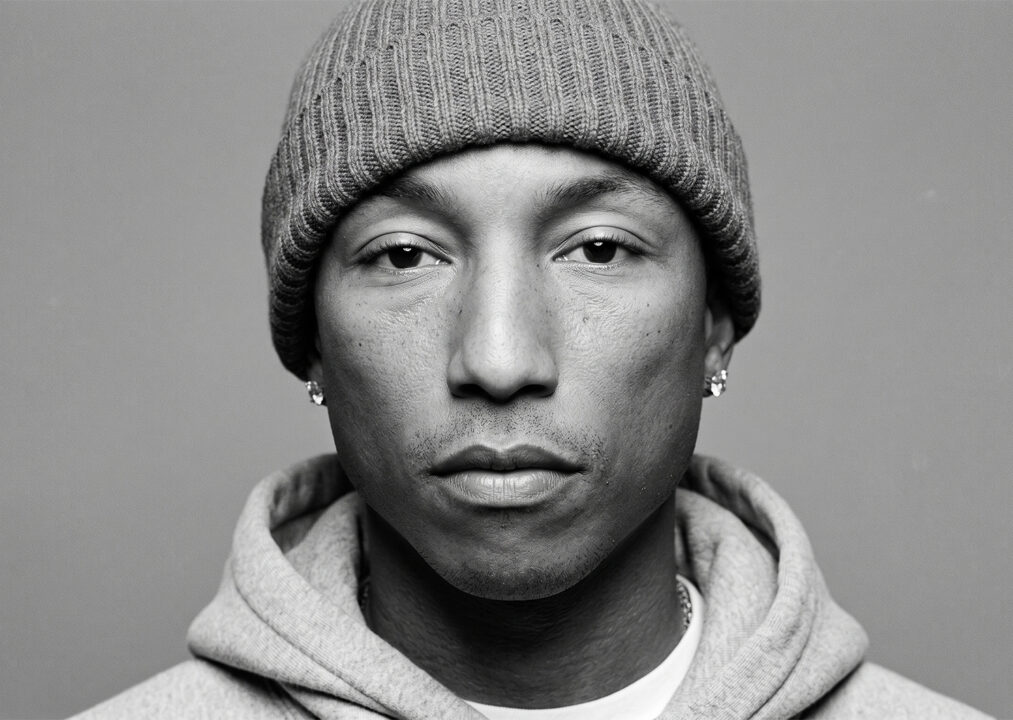
Pharrell Williams (one half of The Neptunes with Chad Hugo) dominated early-2000s hip-hop and R&B with a minimalist production style that felt completely new. The Neptunes’ work, Jay-Z’s “I Just Wanna Love U,” Snoop Dogg’s “Drop It Like It’s Hot,” Clipse’s Lord Willin’, and the entire N.E.R.D catalog, defined the era’s commercial sound. Pharrell’s solo production career and his cultural reach beyond music (a fashion run with BBC Ice Cream, his current Louis Vuitton menswear directorship) make him arguably the most culturally elastic producer in hip-hop history.
Swizz Beatz
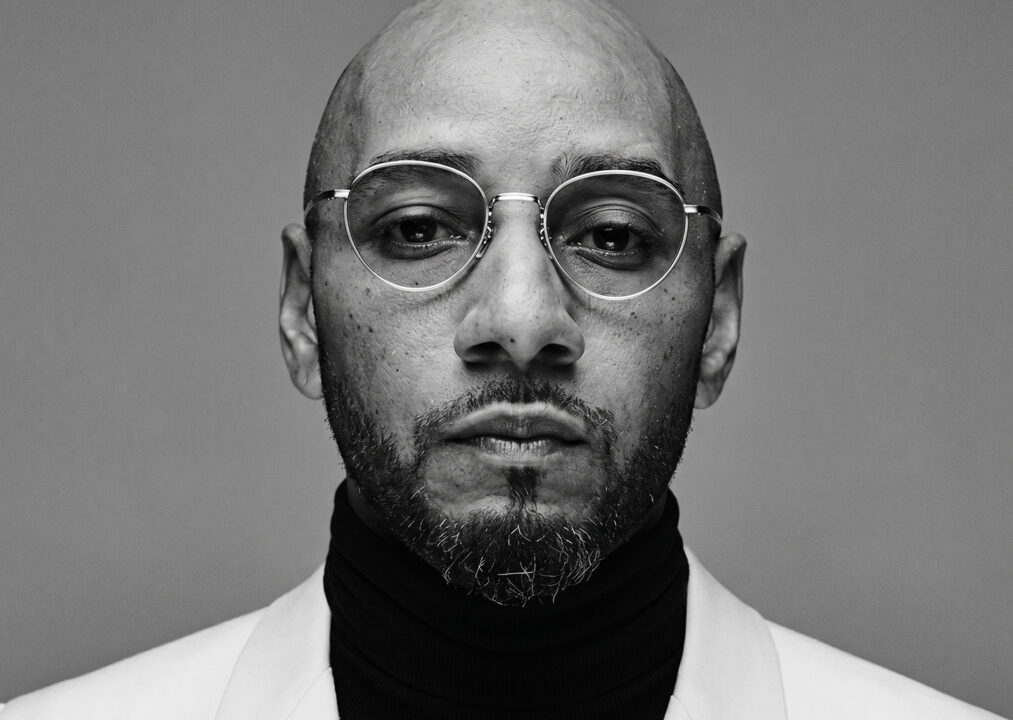
Swizz Beatz (born Kasseem Daoud Dean) defined the Ruff Ryders sound with raw, percussion-forward beats built around minimal melodic content and the unmistakable Casio MT keyboard. His credits include DMX’s “Ruff Ryders’ Anthem,” Jay-Z’s “Jigga My N**a,” and Eve’s “What Y’all Want,” templates that shaped late-1990s street rap. Beatz stayed relevant deep into the 2010s with Lil Wayne, Beyoncé, and Drake placements, while building parallel careers in art collecting and Verzuz battle curation.
J Dilla
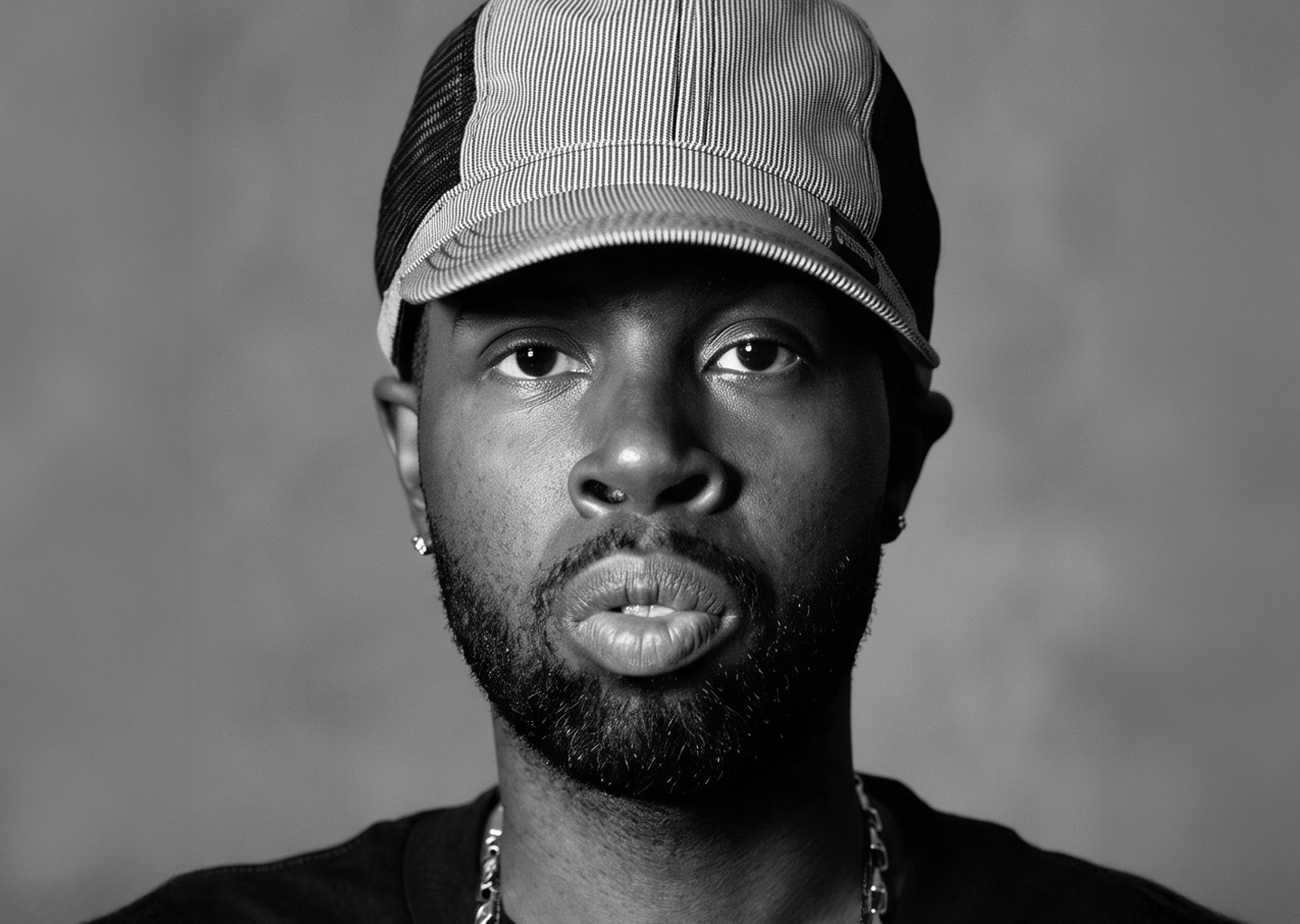
J Dilla (born James Dewitt Yancey) is perhaps the most revered producer in hip-hop history among other producers. His unorthodox timing, deliberately off-kilter drum patterns that felt human in a way that quantized beats couldn’t, became the defining characteristic of underground and alternative hip-hop production. Dilla produced for A Tribe Called Quest, De La Soul, Common, and Erykah Badu before his premature death in 2006 at age 32. His posthumous album Donuts, completed from his hospital bed, qualifies as one of the greatest instrumental hip-hop albums ever made.
Just Blaze
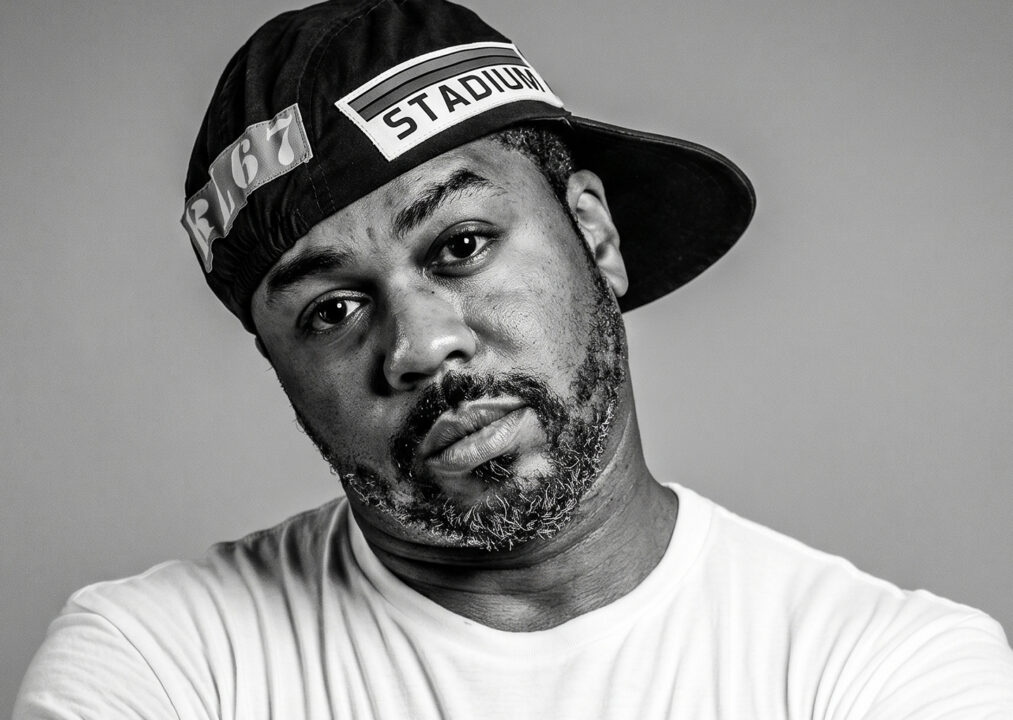
Just Blaze (born Justin Smith) rounds out any conversation about elite producers. His bombastic, soul-sampling style powered some of Jay-Z’s biggest records (“Song Cry,” “Show Me What You Got”), Kanye’s early work, and Eminem’s comeback single “Won’t Back Down.” Just Blaze represents the bridge between the sample-heavy ’90s and the polished maximalism of the 2000s.
The Alchemist
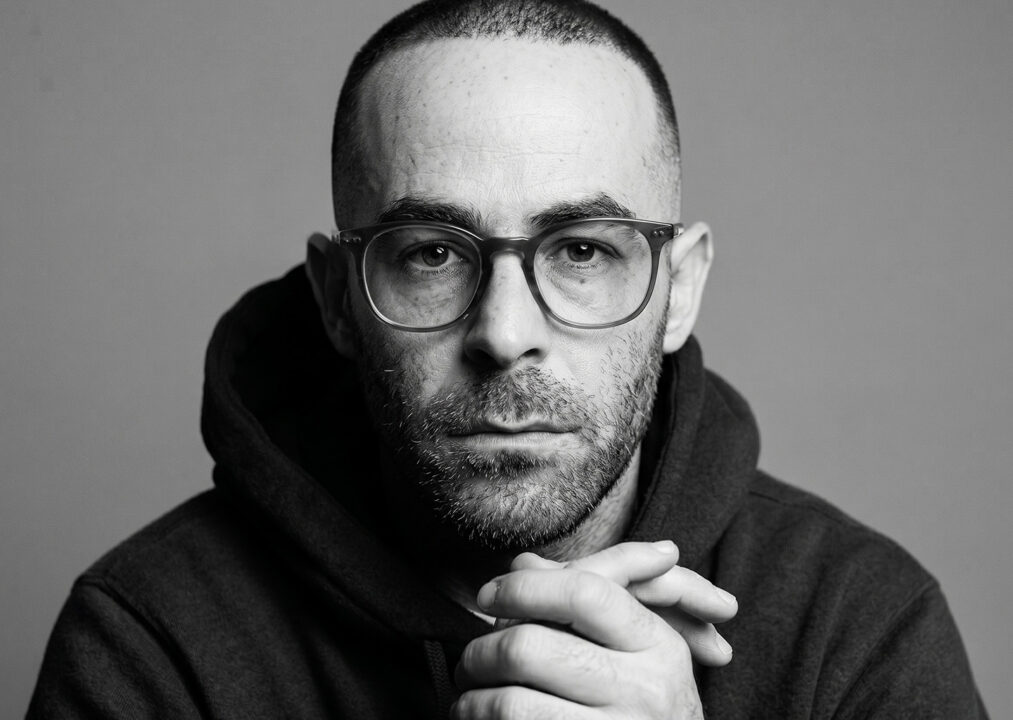
The Alchemist (born Daniel Alan Maman) built a career producing for everyone from Mobb Deep to Action Bronson by treating every beat like a cinematic score. His extensive work with Mobb Deep, Prodigy’s solo records, and recent collaborative albums with Freddie Gibbs (Alfredo), Boldy James (The Price of Tea in China), and Curren reveal a producer who values texture over flash. Alchemist runs deep with hundreds of placements but his loyalty to underground rap has kept him a critical favorite rather than a chart fixture.
9th Wonder
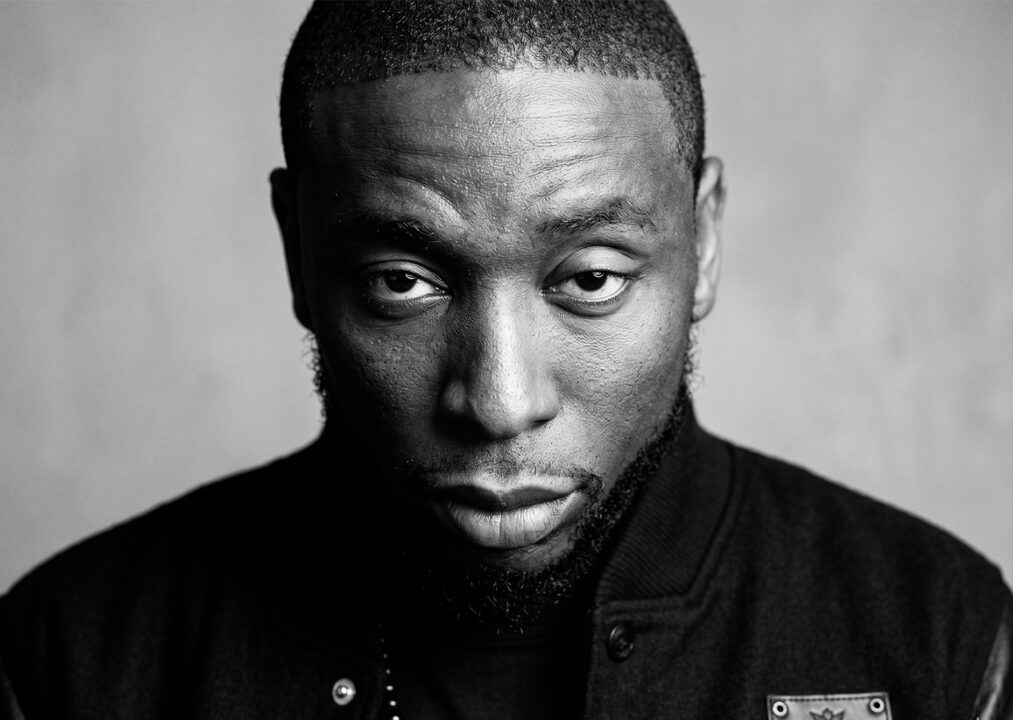
9th Wonder (born Patrick Douthit) became one of the most influential mid-2000s producers without ever moving to a coast. Working from Durham, North Carolina with Little Brother, he caught Jay-Z’s attention and contributed “Threat” to The Black Album in 2003, chopped-soul work that paralleled what Kanye was doing in Chicago. Subsequent placements with Destiny’s Child, Mary J. Blige, and Murs cemented him as the preeminent soul-sample producer of his generation.
Mannie Fresh
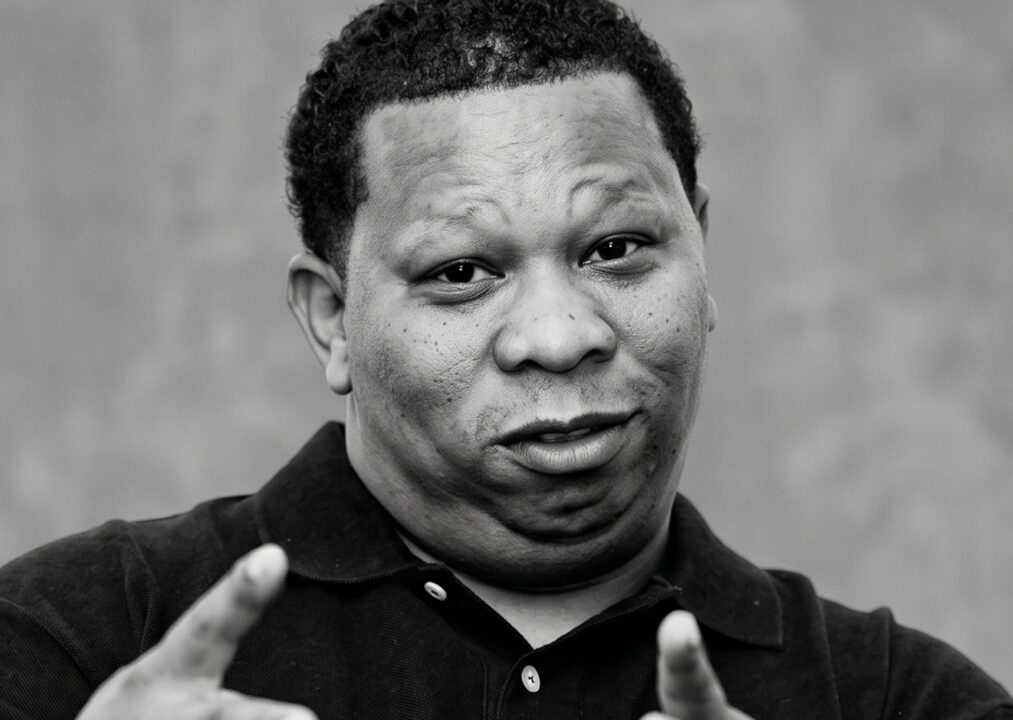
Mannie Fresh (born Byron Otto Thomas) was the sonic architect behind Cash Money Records’ rise. His bouncy, bass-heavy production for the Hot Boys, Juvenile (“Back That Azz Up”), Lil Wayne, and Big Tymers created the blueprint for Southern club rap. Without Mannie Fresh, the entire trajectory of Southern hip-hop, and by extension, modern mainstream rap, looks fundamentally different.
Scott Storch
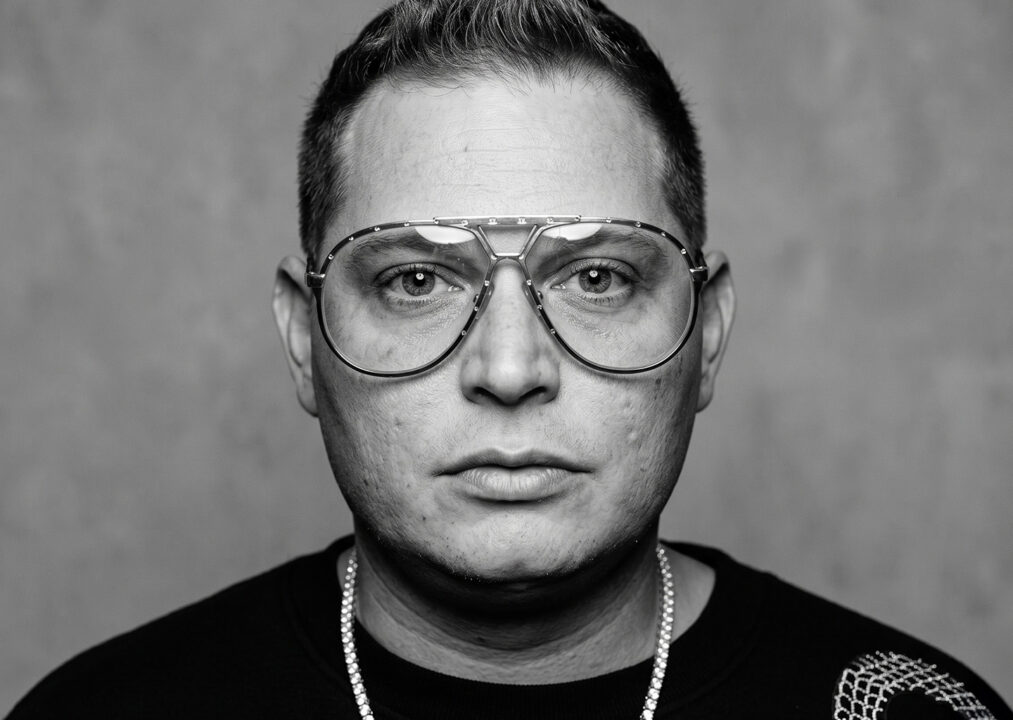
Scott Storch came up as a keyboardist for The Roots before transitioning into production, lending his keyboard chops to Dr. Dre’s 2001 (he co-produced “Still D.R.E.”) and Eminem’s “My Name Is.” His solo run from 2004 to 2007 was a commercial juggernaut. 50 Cent’s “Just a Lil Bit,” Beyoncé’s “Naughty Girl,” Terror Squad’s “Lean Back,” and Fat Joe’s “Make It Rain” all bear his signature Middle Eastern–tinged synths. For a stretch, Storch was producing chart hits at a near-monthly clip.
Madlib
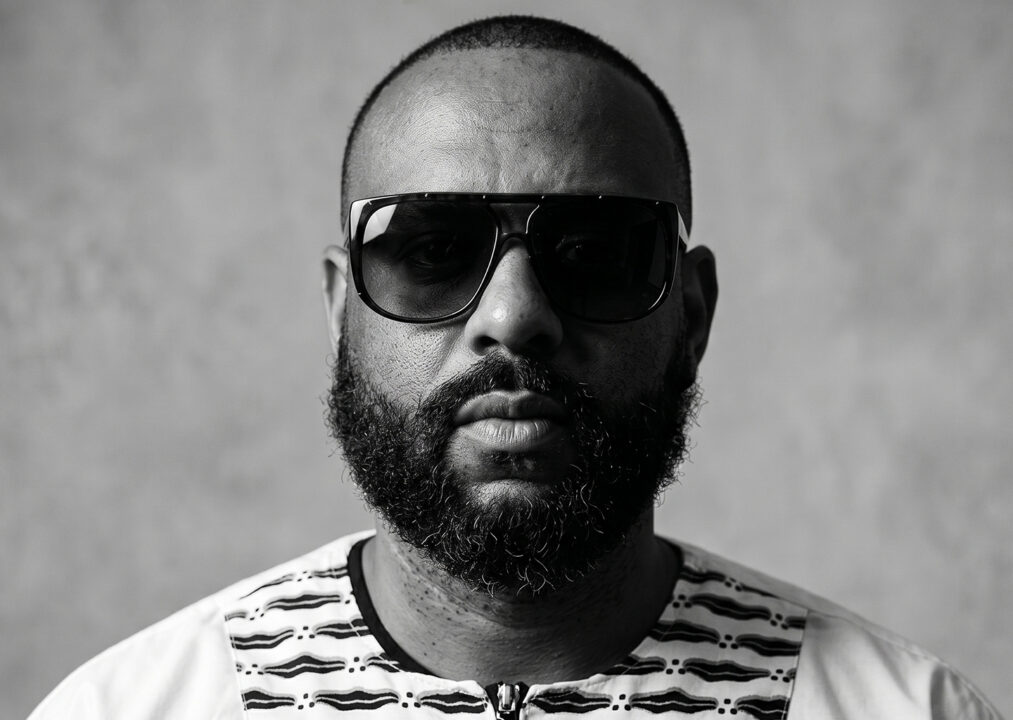
Madlib (born Otis Jackson Jr.) occupies a unique space as the producer’s producer, wildly respected within the industry, less known to casual listeners. His collaborations with MF DOOM (as Madvillain) and Freddie Gibbs (the Piñata and Bandana albums) are considered modern masterpieces. His ability to source obscure samples from global music traditions and transform them into something entirely new is unmatched.
No I.D.
The Chicago Connection
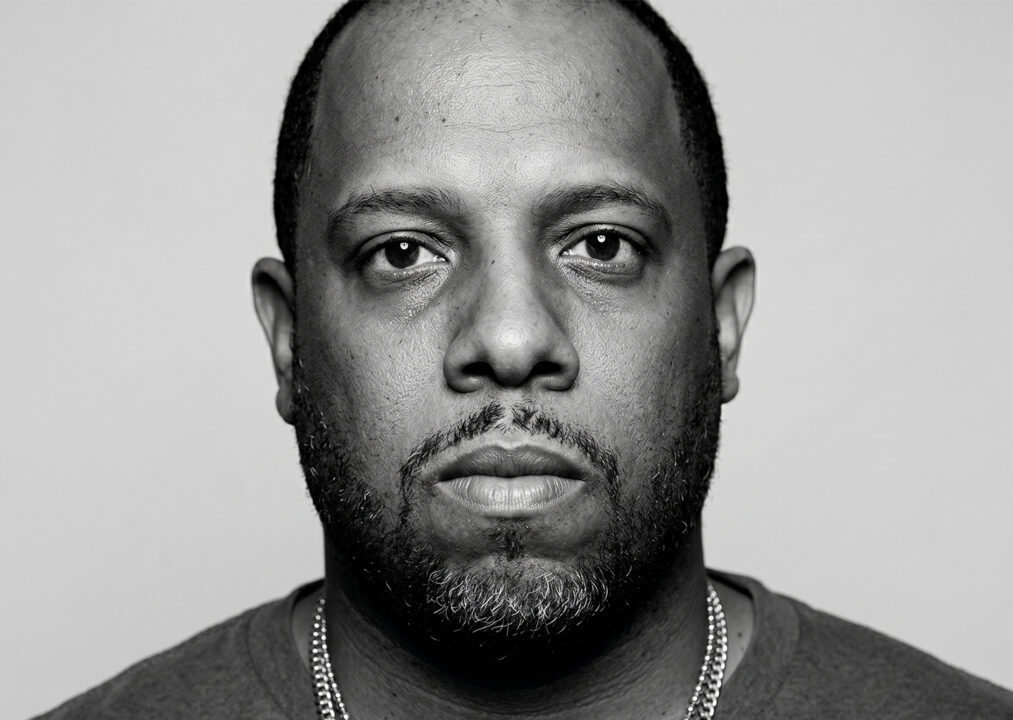
No I.D. (born Dion Ernest Wilson) is one of hip-hop’s most important behind-the-scenes figures. He produced Common’s early albums, mentored a young Kanye West (who cites No I.D. as his primary production influence), and later served as Executive Vice President of Capitol Records. His fingerprints are on more hip-hop than most listeners realize, including substantial co-production work on Jay-Z’s 4:44 in 2017.
Kanye West
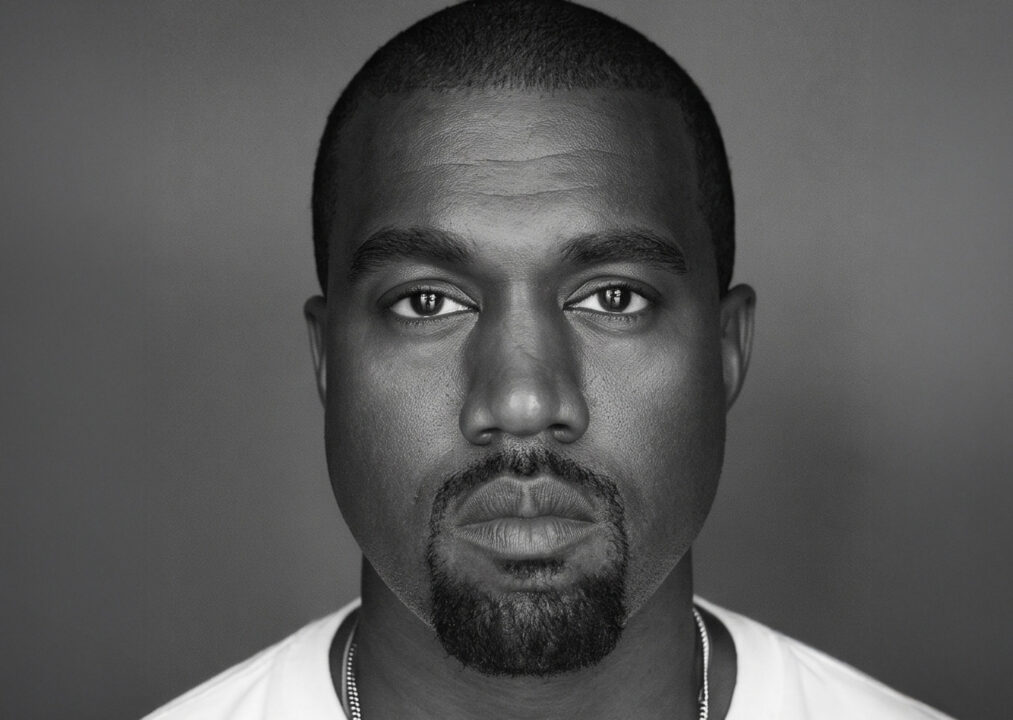
Kanye West changed what a hip-hop producer could be. His early work, chopping soul samples into hooks for Jay-Z’s The Blueprint (2001), then his own The College Dropout (2004), reintroduced warmth and vulnerability to a genre that had been dominated by gangsta posturing. His production evolved dramatically across each album: the orchestral maximalism of My Beautiful Dark Twisted Fantasy (2010), the industrial minimalism of Yeezus (2013), and the gospel experimentation of Jesus Is King (2019). Whatever you think of him personally, his production influence is inescapable.
Lex Luger
The Modern Era (Trap, Drill, and the Streaming Revolution)
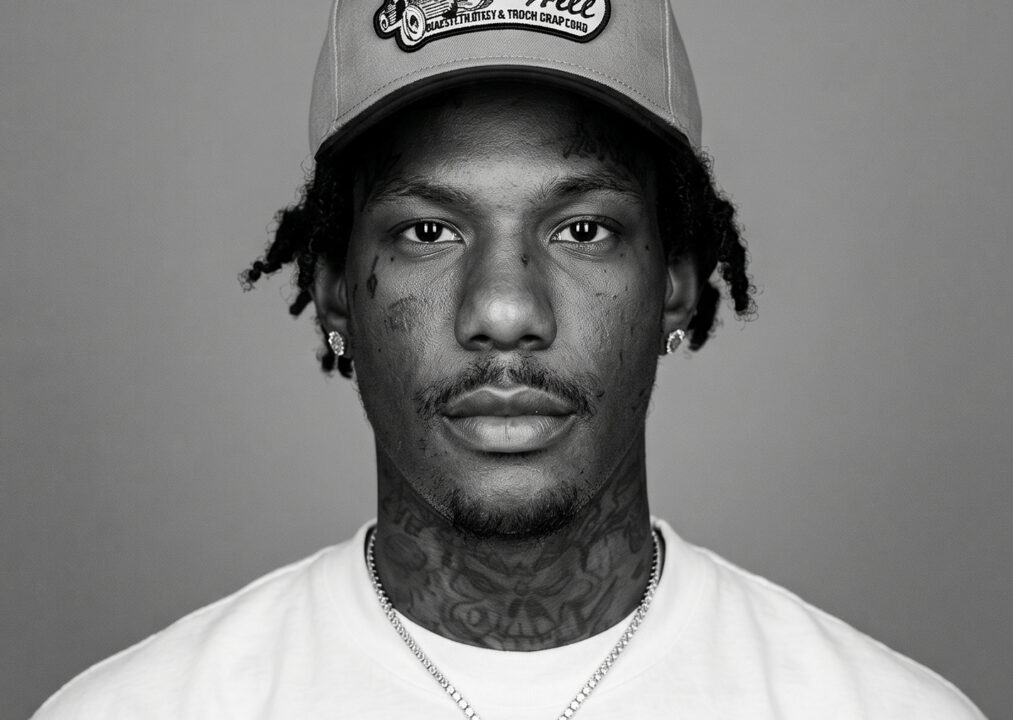
Lex Luger (born Lexus Armel Lewis) popularized the aggressive trap production style in the early 2010s with massive, ominous synths and rolling 808s. His beat for Waka Flocka Flame’s “Hard in da Paint” (2010) became the template for an entire subgenre, and his work on Rick Ross and Wiz Khalifa’s Self Made Vol. 1 and Kanye and Jay-Z’s Watch the Throne (“H•A•M”) cemented his influence on a generation of imitators.
Metro Boomin
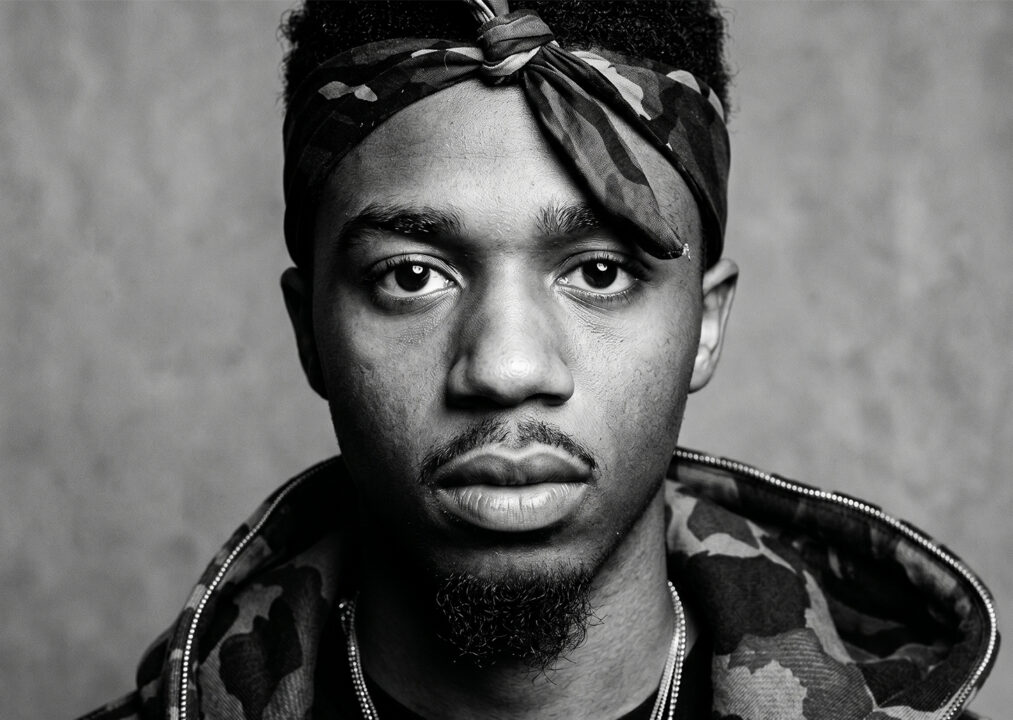
Metro Boomin (born Leland Tyler Wayne) is the defining producer of the mid-2010s through the present. His tag, “If Young Metro don’t trust you, I’m gon’ shoot you,” became as recognizable as any rapper’s ad-lib. Productions for Future, 21 Savage (Savage Mode and Savage Mode II), Migos, and Travis Scott established the atmospheric trap sound that dominates modern hip-hop. His 2022 album Heroes & Villains showcased his range beyond trap templates.
Hit-Boy
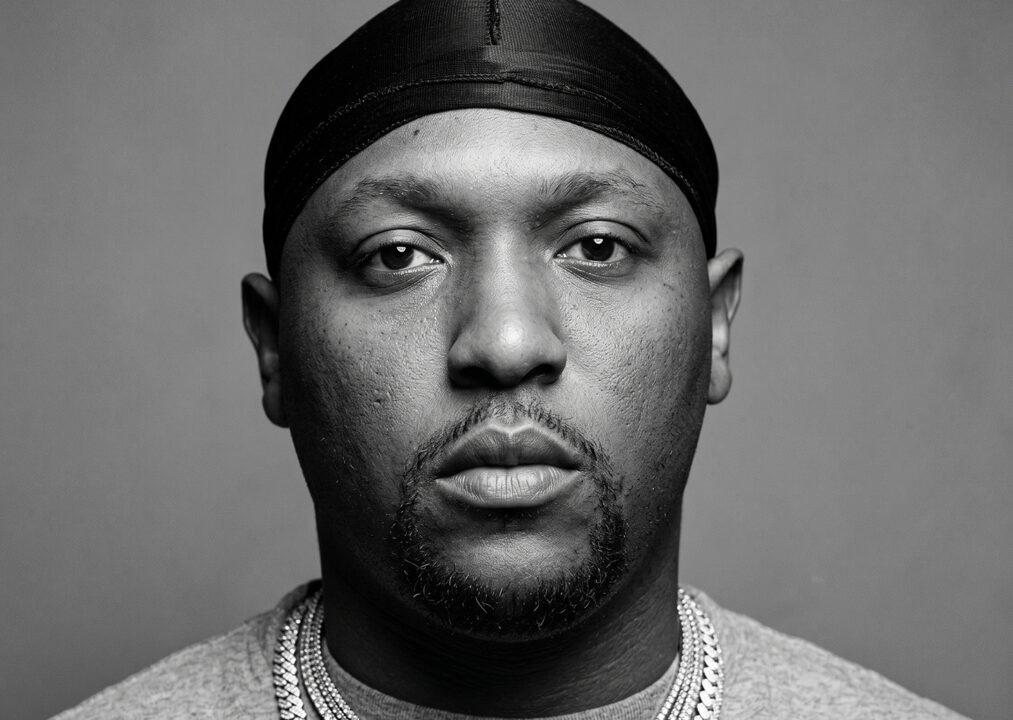
Hit-Boy (born Chauncey Alexander Hollis Jr.) has quietly become one of the most prolific producers of the current era. His production of Nas’s King’s Disease trilogy (2020–2022), which won the Grammy for Best Rap Album in 2021, proved that classic boom-bap sensibilities could thrive alongside modern production techniques. He also produced Jay-Z and Kanye’s “Niggas in Paris,” one of the biggest hip-hop songs of the 2010s.
Drumma Boy
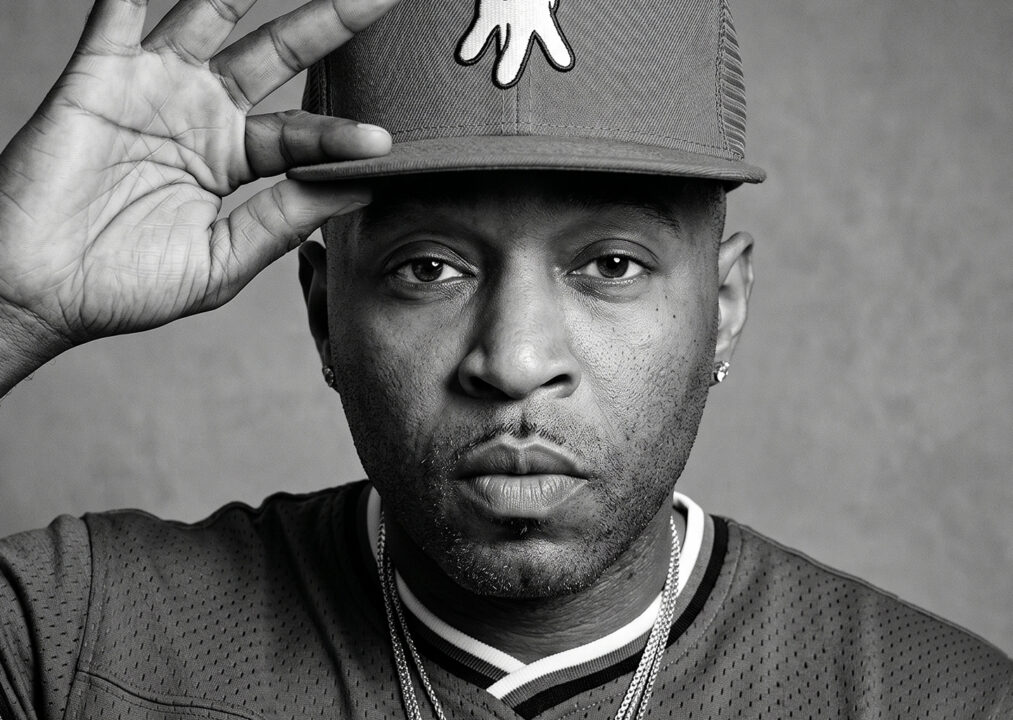
Drumma Boy (born Christopher James Gholson) pioneered Atlanta’s pre-trap sound with club anthems built on maximalist drum patterns. His production for Young Jeezy’s “Put On” featuring Kanye West, T.I.’s “No Matter What,” and Plies’s “Bust It Baby Pt. 2” defined the late-2000s southern rap moment before Lex Luger tilted the genre fully toward trap. Drumma’s aggressive 808 patterns and orchestral flourishes laid groundwork for everything that followed in Atlanta production.
Zaytoven
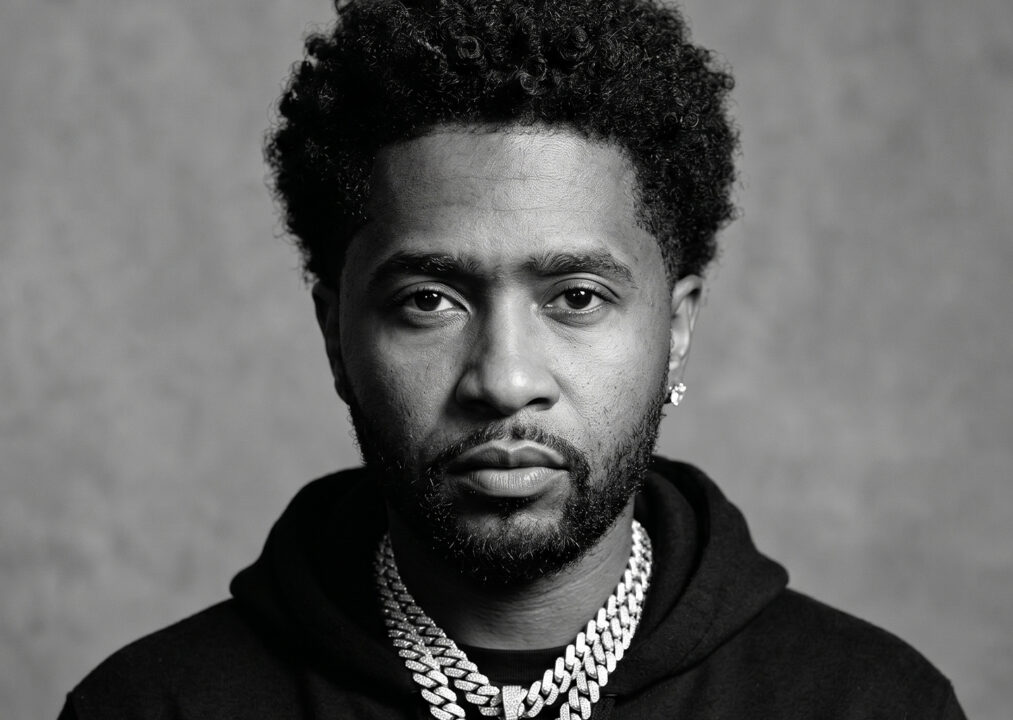
Zaytoven (born Xavier Lamar Dotson) built Gucci Mane’s career and helped birth modern Atlanta trap with church-organ melodies layered over snapping hi-hats. His production on Gucci’s “Icy” and dozens of mixtape staples through the late 2000s and 2010s established the sonic blueprint that Migos, Future, and Young Thug would later inherit. Zaytoven’s gospel background (he’s a church organist and the son of a pastor) explains the emotional, almost devotional quality of his melodies.
DJ Mustard
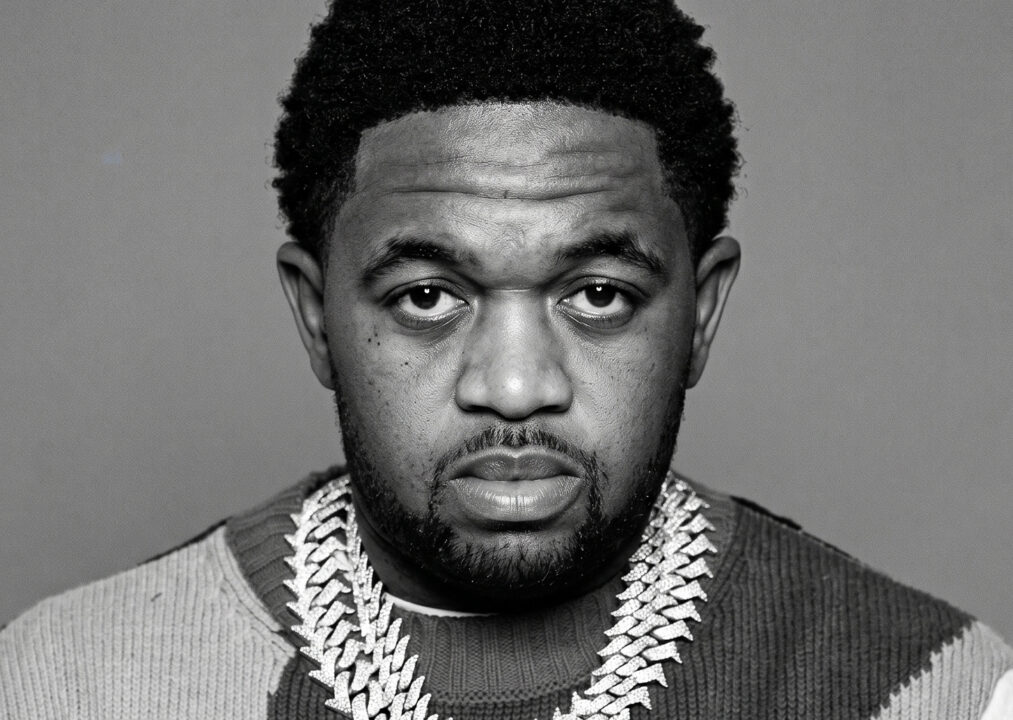
DJ Mustard (born Dijon Isaiah McFarlane) revived West Coast rap radio with a minimalist, ratchet-music sound built on hand claps and rolling synth bass. His breakout productions, YG’s “My N**a,” Tyga’s “Rack City,” and 2 Chainz’s “I’m Different,” dominated 2012 through 2015 with a distinct slap-clap pattern that imitators couldn’t match. Mustard’s recent run as Kendrick Lamar’s primary collaborator on GNX in 2024 confirmed that his sound continues to evolve while keeping the LA stamp that made him.
El-P
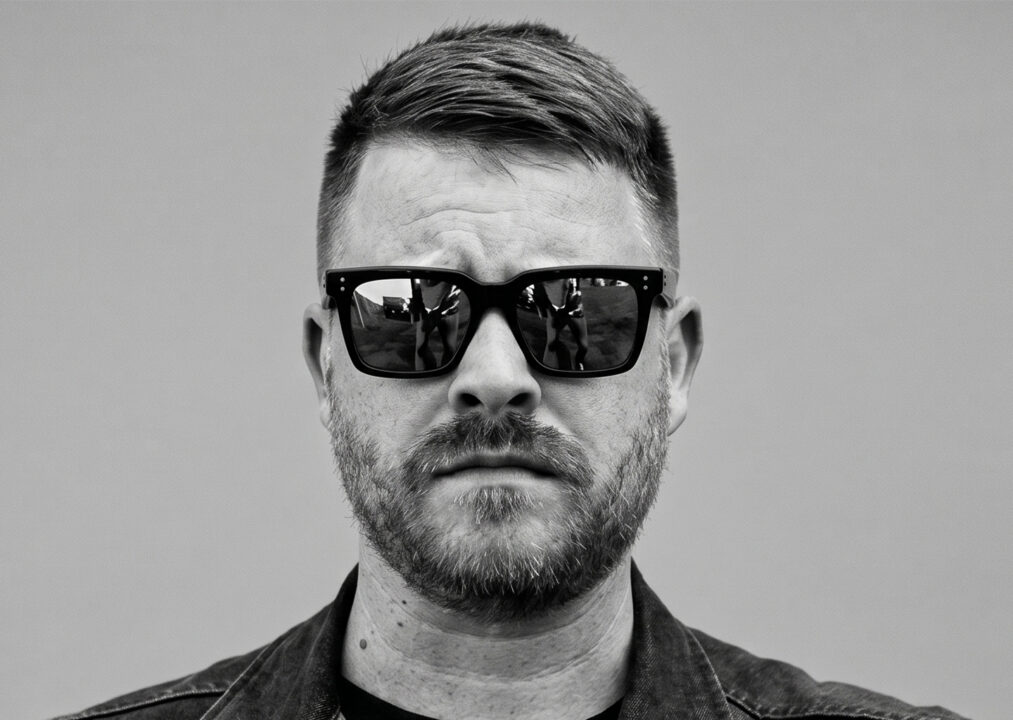
El-P (born Jaime Meline) emerged from Company Flow in the late 1990s as one of underground hip-hop’s most experimental producers, dense, industrial, sample-heavy beats that influenced an entire generation of left-field rap. His Run the Jewels project with Killer Mike, launched in 2013, brought his uncompromising sound to a much wider audience without softening it. El-P’s catalog spans Cannibal Ox’s The Cold Vein, Aesop Rock’s underground classics, and four RTJ albums that prove abrasive can also be anthemic.
The Invisible Architects
What makes hip-hop production unique among musical genres is how transparent the craft has become. Producers aren’t hidden behind studio glass anymore, they’re brands unto themselves, with producer tags that function like sonic logos. When you hear “Metro Boomin want some more” or Mustard’s signature “hey hey hey,” you know exactly what you’re about to get before the rapper says a word.
That visibility has democratized production in ways the genre’s founders couldn’t have predicted. A teenager with a laptop and FL Studio can now make beats that compete with major-label productions. Some of hip-hop’s biggest recent hits were made in bedrooms. The tools changed, the talent pool expanded, but the core skill remains the same: hearing something nobody else hears, and building a world around it.
Frequently Asked Questions
There is no consensus ‘greatest’ since different producers defined different eras. Dr. Dre is the most commercially successful, J Dilla is the most revered by other producers, DJ Premier defined the boom-bap golden age, and Metro Boomin dominates the modern era. The answer depends on which era and style you value most.
G-funk (short for gangsta funk) is a subgenre of hip-hop pioneered by Dr. Dre on his 1992 album The Chronic. It features slow, heavy bass lines, synthesizers, and heavy sampling from 1970s funk artists like Parliament-Funkadelic. The sound defined West Coast hip-hop throughout the 1990s.
Hip-hop producers earn money through a combination of upfront beat placement fees (ranging from a few thousand to six figures for top producers), royalties from streaming and sales (typically 3-5% of net receipts), publishing income from songwriting credits, and performance royalties collected through PROs like ASCAP and BMI. Top producers also earn from production deals with labels, brand partnerships, and their own artist releases.