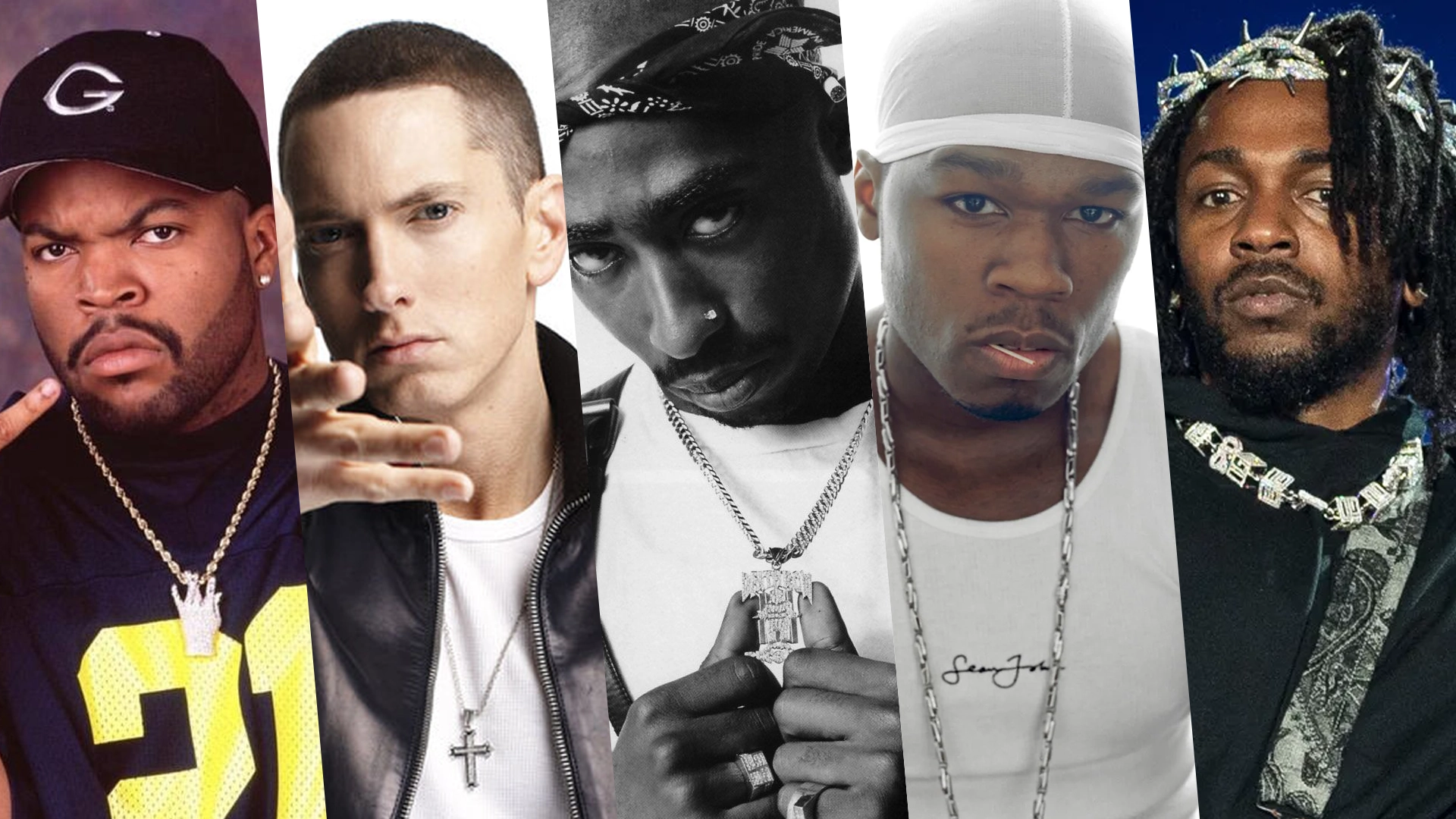
Look, we’re living in an age where rappers tweet their beef into existence and slide into DMs to settle scores. But let’s take a moment to appreciate when MCs actually had to, you know, rap to defend their honor. Here’s our totally biased, definitely-going-to-start-arguments ranking of hip-hop’s greatest battles – updated now that the biggest one on the list comes with a Grammy sweep, a Super Bowl halftime, and a federal appeal docket attached.
This article is part of our complete guide to How Hip-Hop Changed Everything.
Drake vs. Pusha T (2018)
The beef that turned TMZ into a hip-hop platform. After years of subliminal shots dating back to 2011’s “Mr. Me Too,” Pusha T launched “Infrared,” questioning Drake’s authenticity and resurfacing the ghostwriting allegations. Drake responded within hours with “Duppy Freestyle,” flexing his finances and questioning Push’s drug-dealing credentials.
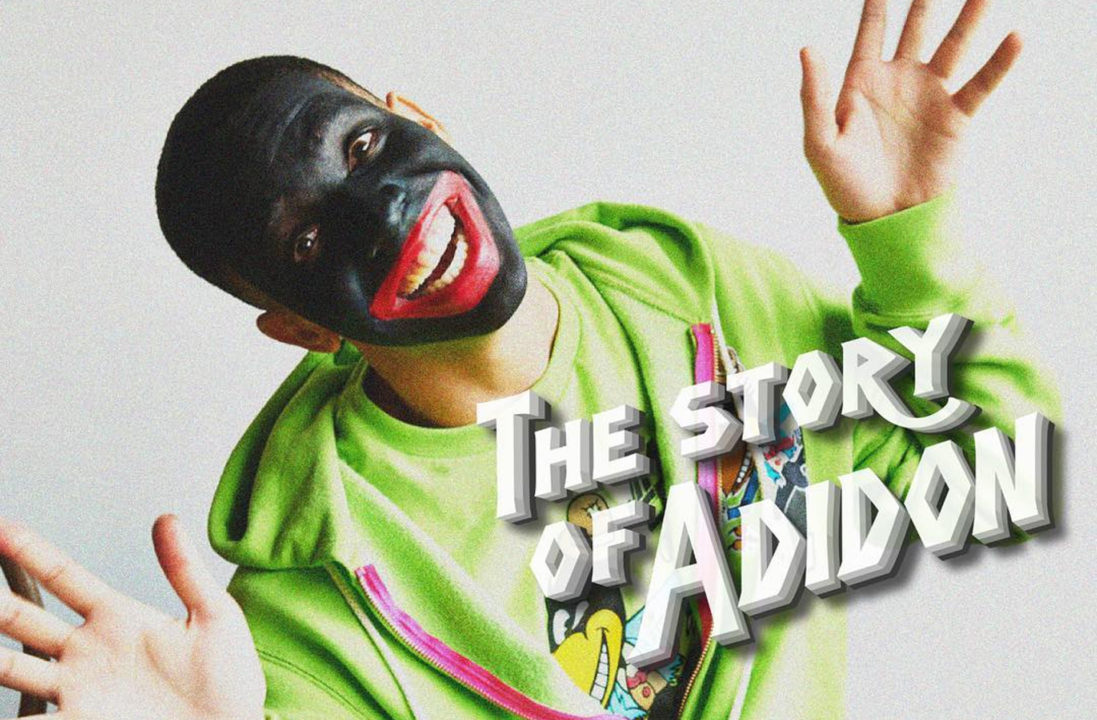
Then came “The Story of Adidon” – hip-hop’s equivalent of a WikiLeaks dump. Over Jay-Z’s “Story of OJ” beat, Pusha revealed Drake’s secret son, unearthed a controversial blackface photo, and went after producer 40’s MS diagnosis. The track was so devastating that J Prince reportedly had to step in to prevent Drake’s career-ending response (though many question if that response ever existed).
The aftermath changed modern battle rap’s playbook – opposition research could be deadlier than bars. Drake’s entire “Scorpion” rollout had to be reworked, and he ended up explaining both his son and the blackface photo through press statements instead of a response record. As Push told The Joe Budden Podcast: “The information was too good. The tea was too hot.”
Push never really holstered the scalpel, either. The Clipse reunion album “Let God Sort Em Out” (2025) put him back on wax next to a Kendrick Lamar verse on “Chains & Whips” – a pairing Pusha says spooked UMG into asking for censorship, so he reportedly bought his way off Def Jam rather than soften it. Drake’s counter that year was suing his own label over a different diss track. Seven years on, Push is still up on the scorecards.
Winner: Pusha T (and investigative journalism)
Eminem vs. Machine Gun Kelly (2018)
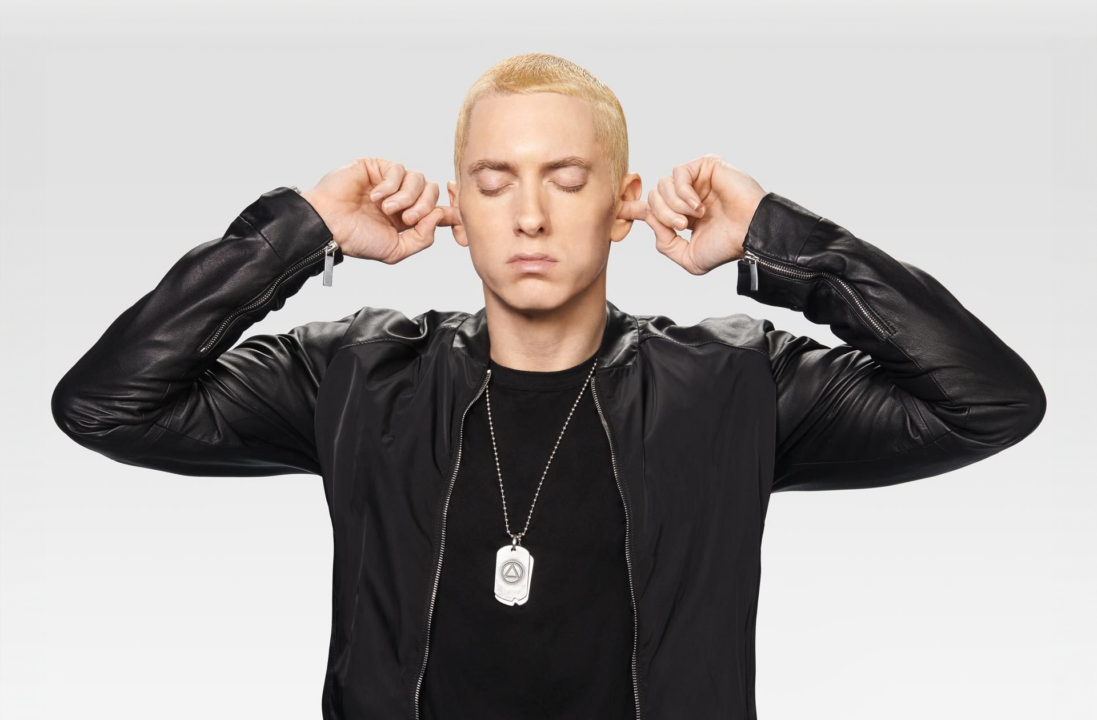
What started with a 2012 tweet about Em’s daughter Hailie turned into a career-altering battle six years later. After Em’s “Not Alike” on “Kamikaze” called out MGK’s comments, Kelly responded with “Rap Devil” – a surprisingly competent track that questioned Em’s relevance, sobriety, and age while still acknowledging him as an influence.
Enter “Killshot,” where Em dissected every aspect of MGK’s career with surgical precision. The track garnered 38.1 million YouTube views in 24 hours and turned technical rap analysis into brutal punchlines, from the man bun to “Your last four albums as bad as your selfie.” Challenging the Rap God, it turns out, is a rough career move.
The aftermath was telling: MGK transitioned to pop-punk with 2020’s “Tickets to My Downfall,” later admitting the beef affected his hip-hop opportunities. When Joe Rogan asked him about transitioning genres, MGK said he “made a better decision” than “trying to be the best rapper.” Translation: Em won the battle so thoroughly his opponent switched genres.
And it still isn’t fully dead. On 2024’s “The Death of Slim Shady,” Em circled back on “Bad One” – “I gotta keep goin’ Tyson on Kelly, I bodied him twice already” – and accused Kelly of still throwing subs “like a food fight at the deli.” He had a point: an unreleased demo of MGK’s “El Pistolero” loaded with Em shots surfaced online in late 2025. Seven years after “Killshot,” Kelly is still swinging – just from the pop-punk section.
Winner: Eminem (shocking, we know)
Ice Cube vs. N.W.A (1991)
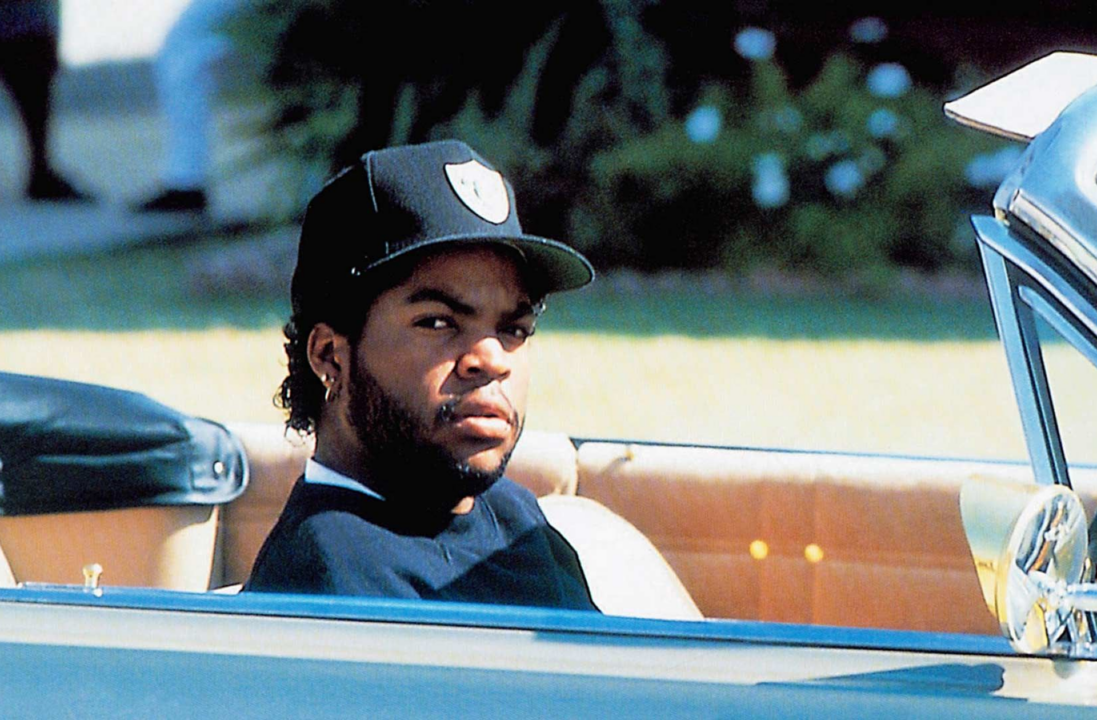
However, the blueprint for how to dismantle a group from the outside. As a result, after leaving N.W.A over financial disputes with Jerry Heller and Eazy-E, Cube endured shots on N.W.A’s “100 Miles and Runnin‘” and “Real Niggaz,” where his former groupmates called him a Benedict Arnold and questioned his street credibility.
His response, “No Vaseline,” wasn’t just a diss track – it was a tactical nuke that addressed everything from financial exploitation to Jerry Heller’s influence on the group. Over a devastating Boogie Down Productions sample, Cube methodically exposed N.W.A’s business dealings, called out their newfound “white” management. Somehow managed to individually destroy each member while taking down the whole group. Specifically, the track was so brutal that even publications like Billboard had to acknowledge its impact while condemning its controversial content.
Also, the aftermath validated every accusation Cube made – N.W.A soon disbanded, members had their own financial disputes with Heller. Dr. Dre would later echo similar complaints about their business dealings. Specifically, the track became the measuring stick for group dissolutions. Proving that sometimes one perfectly crafted response can outweigh multiple attackers. Specifically, the collective of hip-hop heads would argue that “No Vaseline” is one the hardest diss tracks of all time and part of one of the greatest hip-hop battles the west coast has been a part of.
Winner: Ice Cube (obviously)
Canibus vs. LL Cool J (1997-1998)
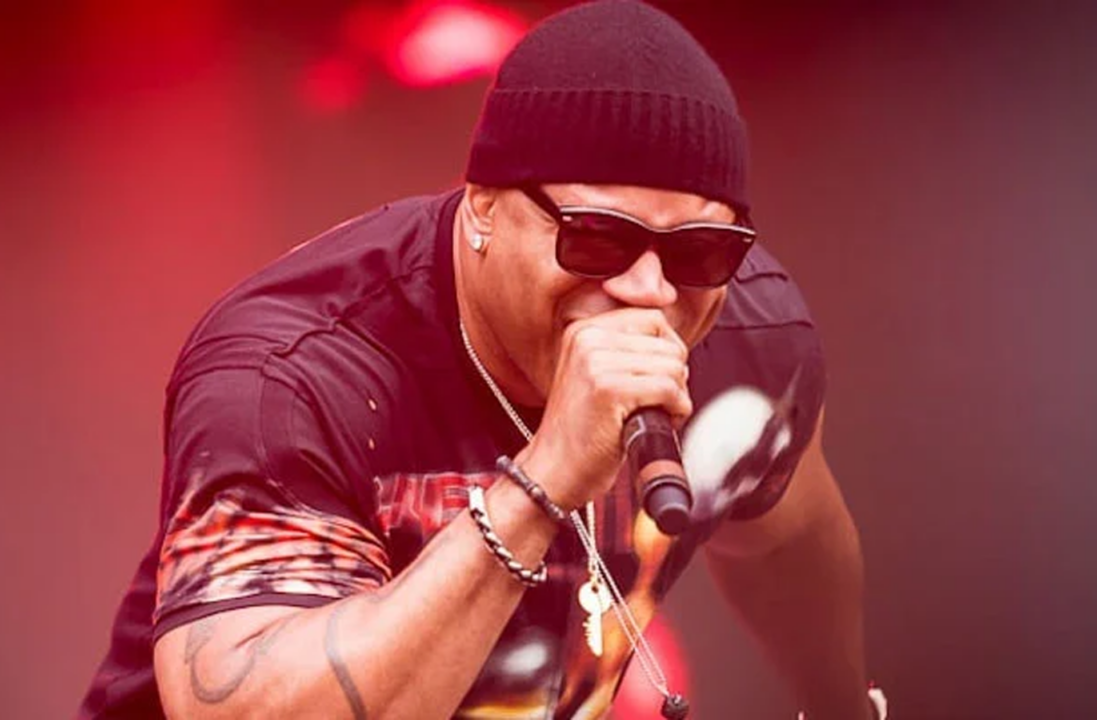
A cautionary tale about touching another MC’s tattoo. Specifically, the beef ignited during a collaboration on “4,3,2,1” when LL took offense to Canibus’s verse referencing the mic tattoo on his arm. Despite Canibus changing his lines, LL kept his verse dissing Canibus – breaking an unwritten rule about not burning features on their own track.
Canibus responded with “Second Round K.O.,” recruiting Mike Tyson for the intro (peak 90s energy) and delivering what many considered a knockout blow. Specifically, the track showcased Canibus’s complex rhyme schemes and challenged LL’s status as rap’s dominant force. But LL, already battle-tested from disputes with Kool Moe Dee and Ice-T, returned with “The Ripper Strikes Back” and “The Return of the Ripper,” reminding everyone why he’d survived three decades of challengers.
Finally, the battle became hip-hop’s version of a Greek tragedy. The hungry newcomer versus the established king. While Canibus delivered technically impressive bars, LL’s experience and mainstream appeal proved unbeatable. Specifically, the aftermath saw Canibus’s career fade while LL maintained his dominance. Proving that sometimes the throne is defended not just with bars. In addition, with industry power.
Winner: LL Cool J (those muscles weren’t just for show)
Common vs. Westside Connection (1995-1996)
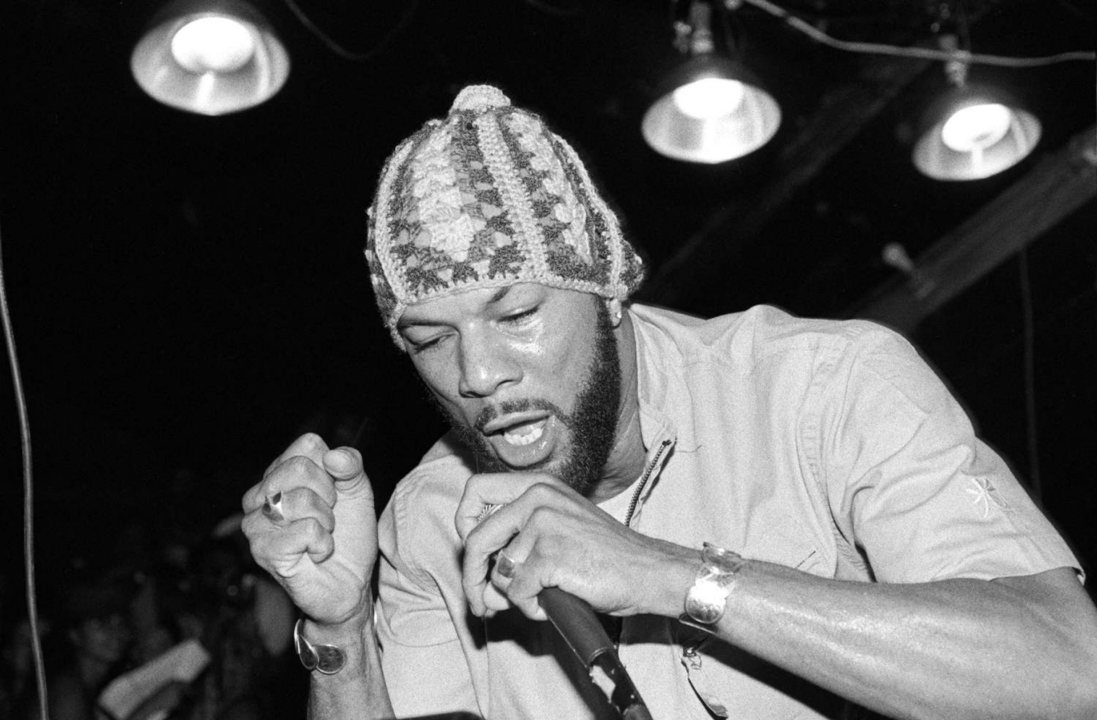
The culture clash that proved conscious rap had teeth and that them bitches do be bitin’. In short, it began with Common’s “I Used to Love H.E.R.,” a metaphorical love letter to hip-hop that criticized its shift toward gangsta rap. Ice Cube and Westside Connection took the critique personally. Responding with “Westside Slaughterhouse,” calling Common’s style “soft” and questioning his street credentials.
Common’s response, “The Bitch in Yoo,” produced by Pete Rock, shocked everyone with its intensity. Specifically, the normally peace-promoting Chicago MC went for blood. Attacking Cube’s Hollywood career (“In a movie you a tough guy, you a boss/Off screen you don’t come near us, you cross”) and dismantling the entire Westside Connection’s credibility. In addition, the track proved that thoughtful rappers could go bar-for-bar with anyone.
Therefore, the beef changed hip-hop’s perception of “conscious rappers” and showed that regional beefs could be won with wit over threats. Years later, Common and Ice Cube squashed their beef and even starred in movies together. Specifically, the battle remains a masterclass in how to defend artistic integrity without compromising principles. One of the greatest hip-hop battles won by an unassuming “conscious rapper”.
Winner: Common (peace and love… and bars)
Boogie Down Productions vs. Juice Crew (1985-1987)
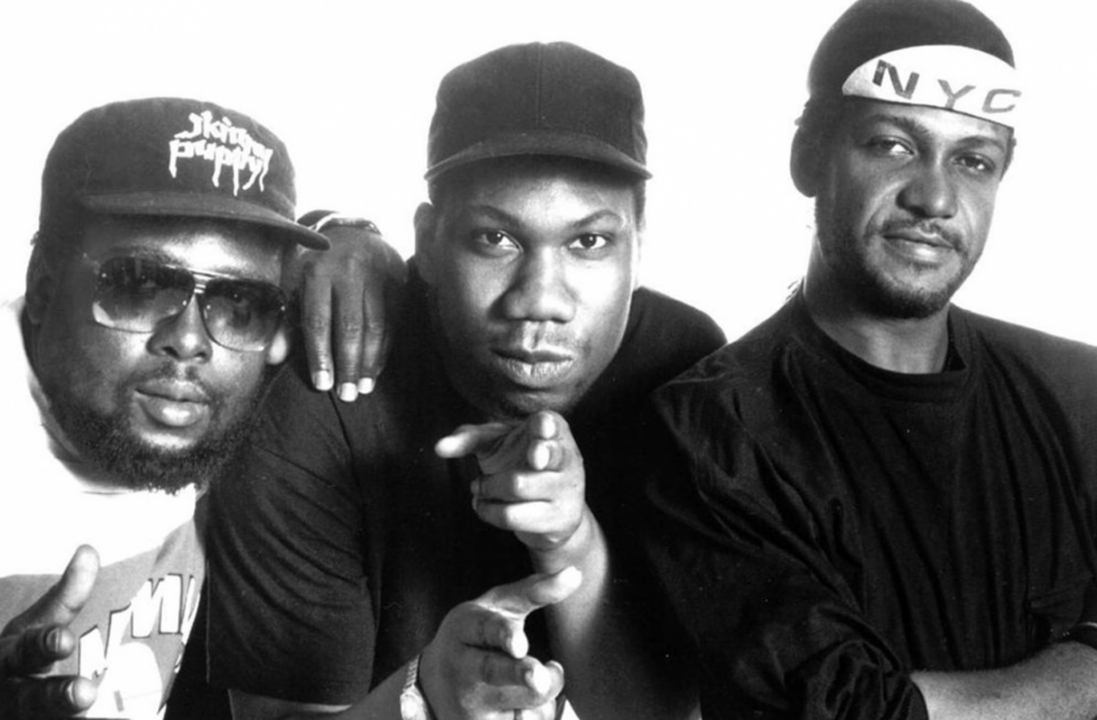
The first great hip-hop turf war. In short, it ignited when MC Shan dropped “The Bridge,” which KRS-One interpreted as claiming hip-hop started in Queensbridge. Specifically, the Juice Crew maintains to this day that wasn’t their intent. KRS-One’s response “South Bronx” turned a misunderstanding into hip-hop’s first borough-wide beef.
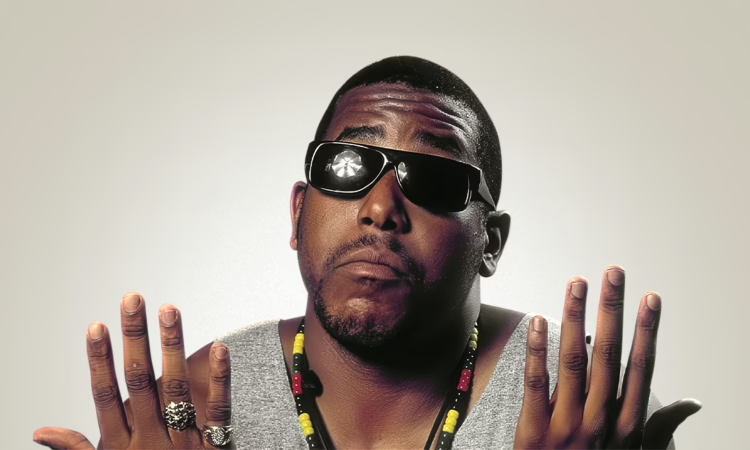
In short, the battle escalated with Shan’s “Kill That Noise” and BDP’s devastating “The Bridge Is Over,” where KRS-One flipped the script by adopting a Jamaican patois over a reggae beat – ironically using Queens’ own cultural influence against them. Specifically, the track didn’t just win the battle; it became a template for how to completely dismantle an opponent’s entire movement. KRS’s line “Manhattan keeps on making it, Brooklyn keeps on taking it, Bronx keeps creating it. Queens keeps on faking it” became hip-hop scripture.
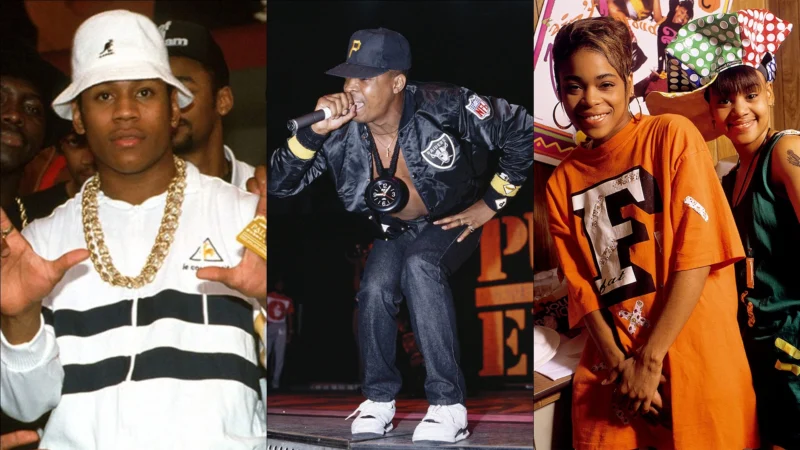
Honestly, this wasn’t just about tracks – it was about hip-hop’s origin story itself. Specifically, the battle, historically one of the greatest hip-hop battles ever. Established the South Bronx as hip-hop’s universally recognized birthplace and set the standard for how geographic disputes would play out in hip-hop for decades to come. From East vs. West to Drake vs. Kendrick’s regional tensions, every territorial hip-hop dispute owes its blueprint to this battle.
Winner: BDP (sorry Queens, the South Bronx took this one)
Jay-Z vs. Nas (2001-2002)
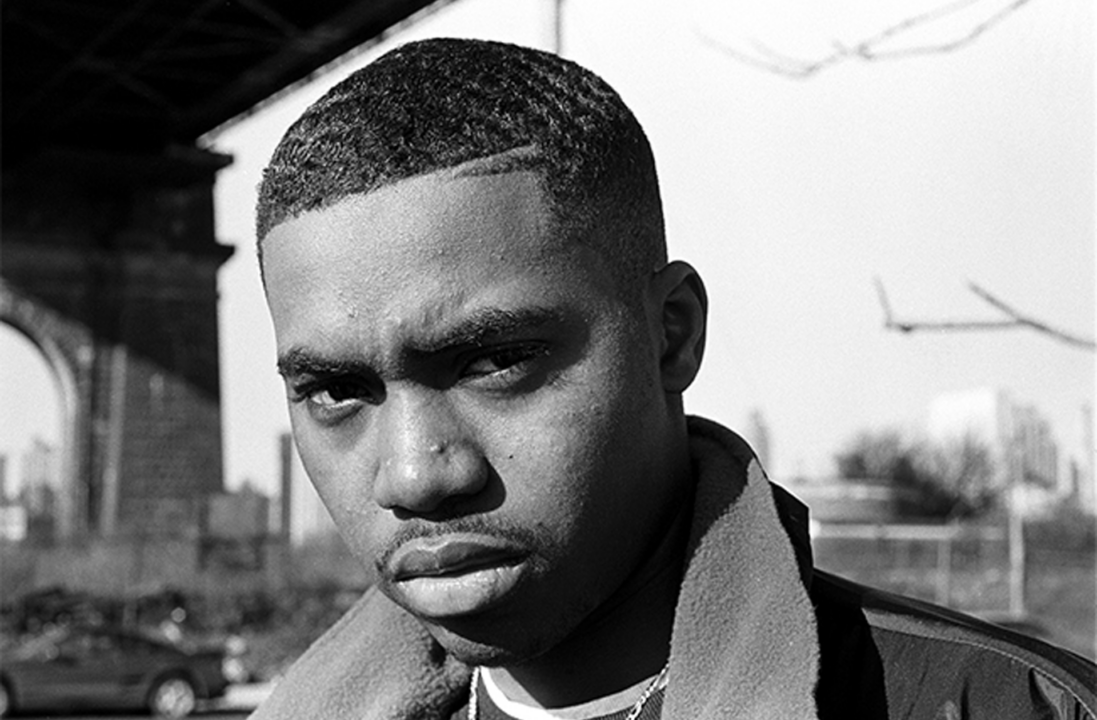
Frankly, no realy hip-hop fan is going to mention greatest hip-hop battles and not mention this pair of industry giants. Hip-hop’s equivalent of Ali vs. Frazier. As a result, after years of subliminal shots and a controversial sample of Nas’s “The World Is Yours” on “Dead Presidents,” Jay-Z launched “Takeover” at Summer Jam 2001. Specifically, the calculated attack questioned Nas’s relevance. Dissected his career’s decline since “Illmatic,” and claimed Jay had slept with the mother of Nas’s daughter – all over a thunderous Doors sample produced by Kanye West.
Nas’s response, “Ether,” was so devastating it became a verb in hip-hop lexicon. Over Ron Browz production, Nas attacked everything from Jay’s appearance to his authenticity. Memorably comparing him to a “tae-bo ho” and questioning his street credentials. Specifically, the track was so impactful that Hot 97 held a phone poll asking listeners who won – Nas edged out Jay by a slim margin. Jay responded with “Super Ugly,” but the damage was mutual.
In fact, the aftermath redefined both careers: Jay showcased his corporate savvy by later signing Nas to Def Jam. While Nas proved he could still deliver under pressure. Their eventual reconciliation at Continental Airlines Arena in 2005 became hip-hop’s version of détente. Today, both “Takeover” and “Ether” are studied like sacred texts in hip-hop’s battle canon.
Winner: Nas (though Jay-Z probably won the war) and also hip-hop culture (and every rapper who needed a word to describe utterly destroying someone on a track)
50 Cent vs. Ja Rule (1999-Present)
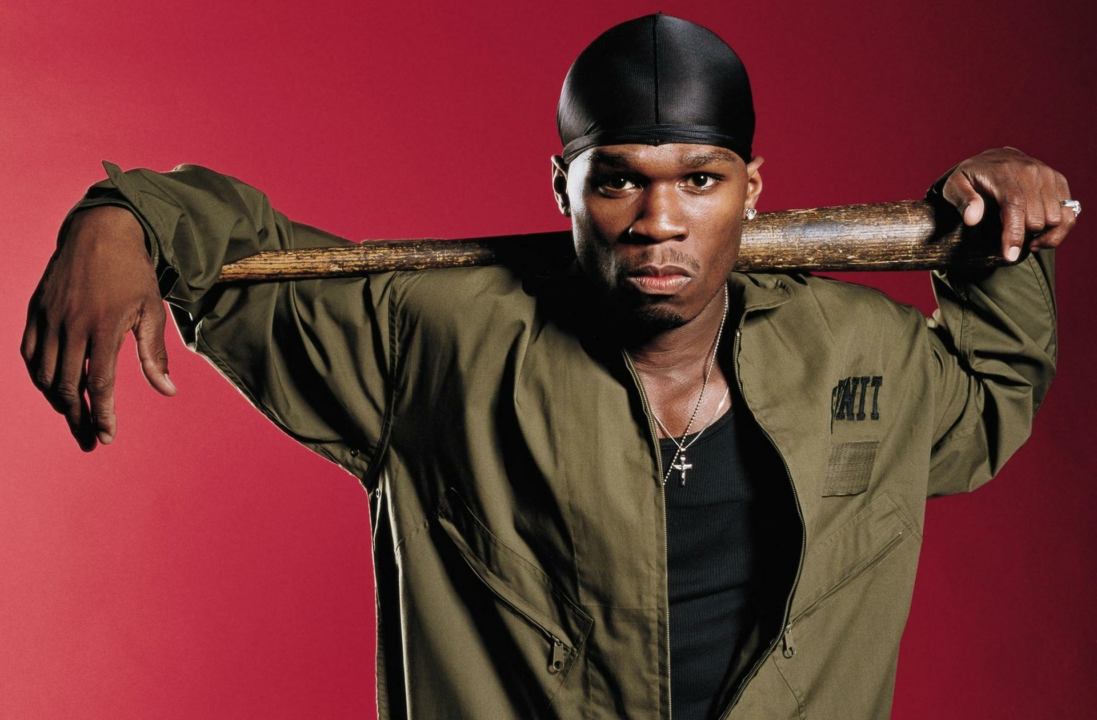
Notably, the beef that rewrote the rules of music industry warfare. In short, it started with a robbery in Queens, evolved into a record label civil war, and ended with one rapper’s entire legacy being reduced to a Fyre Festival meme. 50 kicked it off with “Life’s on the Line” in ’99, taking shots at Murder Inc’s melodic approach to rap. But this wasn’t just bars – 50 turned industry blackballing into an art form. Systematically dismantling Ja Rule’s career with a combination of street politics and savage marketing.
“Wanksta” and “Back Down” weren’t just diss tracks. As a result, they were cultural shifts. 50 made singing in rap seem corny right when Ja had perfected the formula. Murder Inc. tried to fight back with “Loose Change” and “Blood in My Eye,” but 50’s G-Unit movement was unstoppable. Specifically, the beef got so heated that even the Feds got involved, investigating Murder Inc. for money laundering (talk about escalation).
Particularly, most brutal part? 50 kept the persecution going well into the social media era. Buying 200 front-row tickets to a Ja Rule concert just to leave them empty. Turning Ja’s Fyre Festival disaster into years of Instagram fodder. When Ja challenged 50 to a Verzuz battle in 2020, 50’s response was just more Instagram trolling.
Winner: 50 Cent by knockout. Made Murder Inc. rebrand to The Inc., burned down the singing-rapper blueprint (temporarily). Turned industry blackballing into a business strategy that rappers still study.
Tupac vs. Biggie (1994-1996)
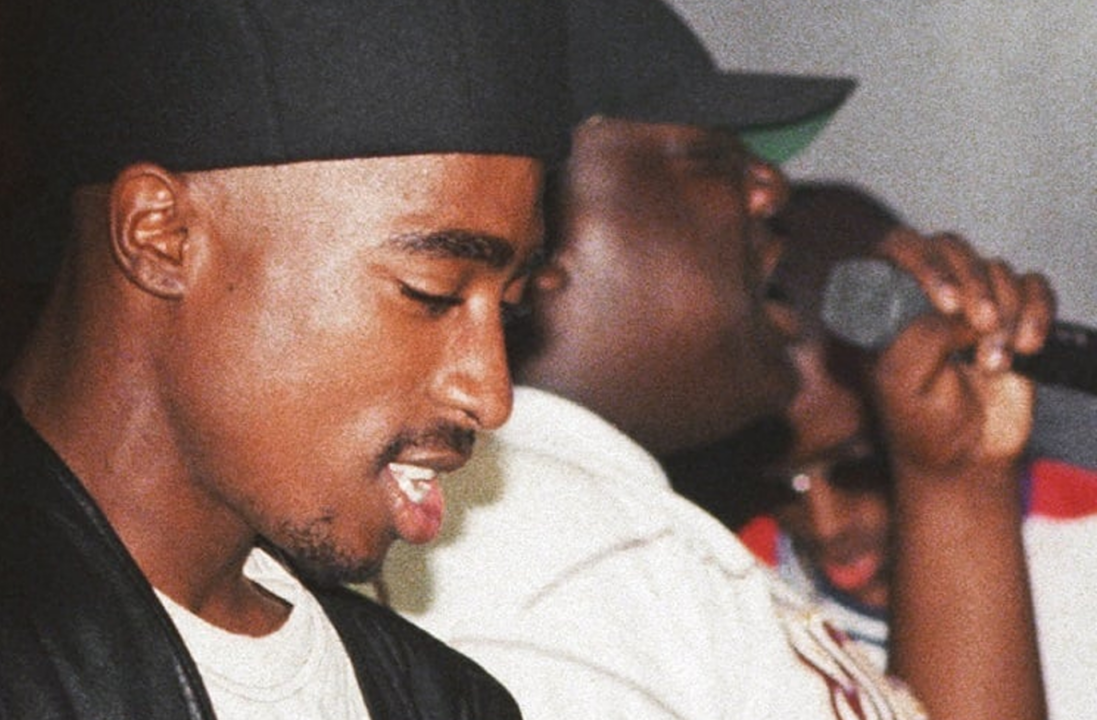
Above all, the beef that divided hip-hop and ended in tragedy. What began as a close friendship – with Pac mentoring Biggie early in his career – turned volatile after Tupac was shot five times at Quad Studios in 1994. Believing Biggie and Puff knew about the attempt on his life. Specifically, the incident transformed coastal rivalry into personal vendetta. With Death Row and Bad Boy Records becoming proxy armies in a war neither artist could control.
“Hit ‘Em Up” changed the rules of engagement forever. Released in June 1996, the track wasn’t just a diss – it was a declaration of war. Over a beat that deliberately mimicked “Player’s Anthem,” Pac claimed he slept with Biggie’s wife Faith Evans. Threatened Bad Boy members by name. Turned “Who Shot Ya?” – which Biggie maintained wasn’t about Pac – into an accusation of attempted murder. Biggie’s response was more strategic: subliminal shots in “Long Kiss Goodnight” and interviews that attempted to de-escalate.
Meanwhile, the beef’s tragic end – with Pac’s murder in September 1996 and Biggie’s in March 1997 – forever changed how hip-hop viewed battle rap. What started as artistic rivalry escalated into real-world violence. Leading to two decades of coastal tension and teaching the hip-hop community a devastating lesson about when words cross into reality. As Snoop later reflected, “We were young and stupid. As a result, we all played a part in this negative energy.”
Despite this being most head’s defacto #1 it lives on the Mount Rushmore of greatest hip-hop battles.
Winner: Nobody (this is why we can’t have nice things)
Kendrick vs. Drake (2013-Present)
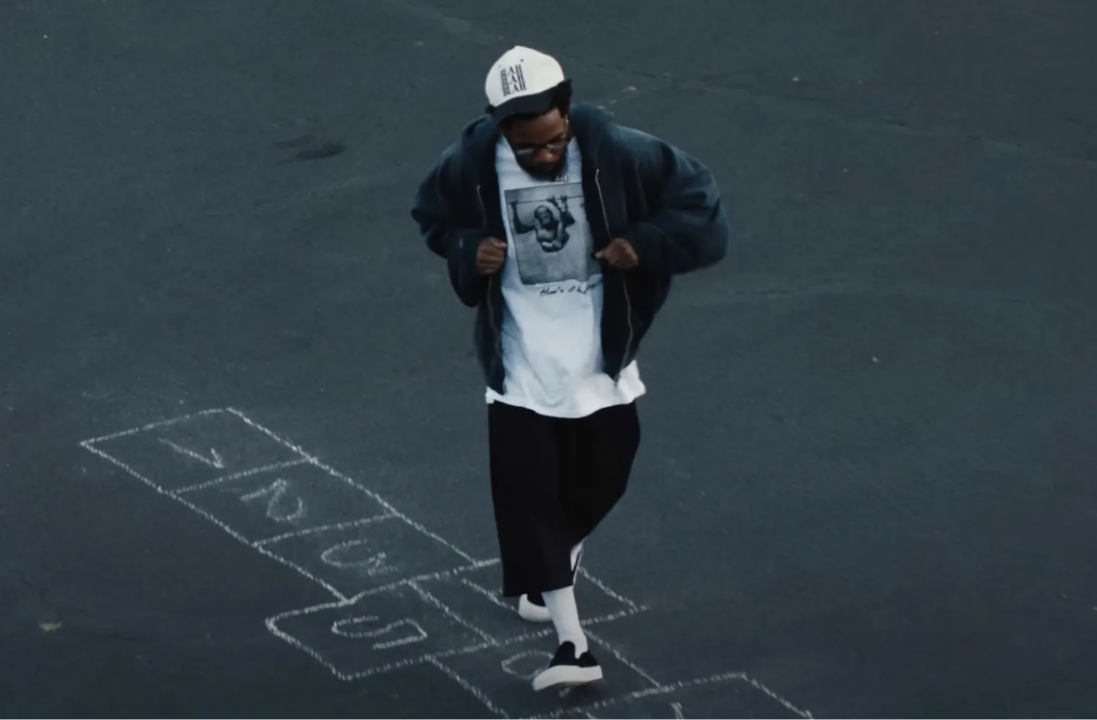
The longest chess game in hip-hop history started with the “Control” verse in 2013, when Kendrick put Drake, J. Cole, and every other rapper on notice. A decade of subliminals later, Drake and Cole crowned themselves rap’s “big three” on “First Person Shooter” – and Kendrick torched the whole premise on “Like That“: forget the big three, “it’s just big me.” Cole actually swung first with “7 Minute Drill,” then apologized onstage at his own Dreamville Festival two days later, calling it “the lamest shit I ever did,” pulled the song from streaming, and eventually explained the exit on “Port Antonio.” History has been kind to that retreat. Ask Drake how staying in went.
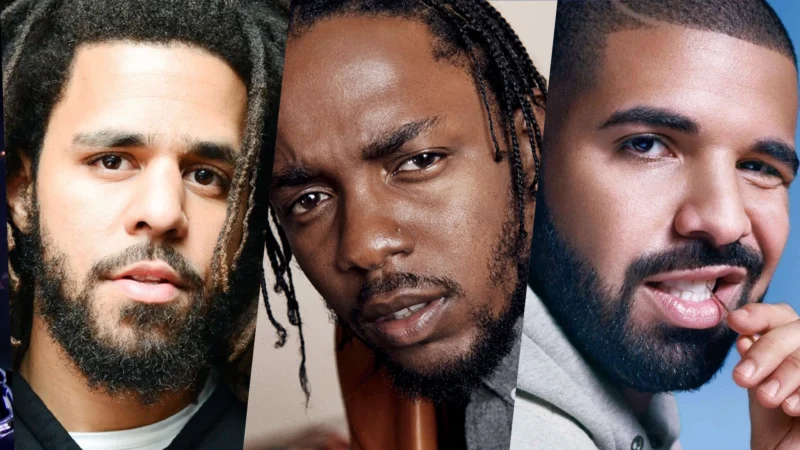
What followed was the fastest escalation rap has seen since the ’90s. Drake’s “Push Ups” and the AI-voiced “Taylor Made Freestyle” (deleted once the Tupac estate lawyered up) got answered by “Euphoria” and “6:16 in LA.” Drake’s “Family Matters” landed some real blows – and was answered within the hour by “Meet the Grahams,” possibly the coldest pre-loaded response in beef history. Then “Not Like Us” turned an execution into a Mustard-produced block party. Drake’s “The Heart Part 6” technically closed the exchange; even his own fans mostly pretend it didn’t.
Then the victory lap refused to end. The Pop Out on Juneteenth 2024 turned “Not Like Us” into a civic event, the song became the first diss track to clear a billion Spotify streams, and at the 2025 Grammys it swept five awards including Record and Song of the Year. A week later Kendrick performed it at the Super Bowl LIX halftime show (“you know they love to sue”), Serena Williams crip walk included, then went back-to-back at the 2026 Grammys – “Luther” won Record of the Year, “GNX” took Best Rap Album, and he left as the most-decorated hip-hop artist in the show’s history.
Drake, meanwhile, took the beef somewhere no rap battle had gone: federal court. He sued UMG – his own label – for defamation over “Not Like Us” in January 2025; a judge dismissed the case that October as protected opinion, and the appeal is still working through the Second Circuit. On wax he keeps swinging – “Gimme a Hug,” “What Did I Miss?,” and 2026’s “Iceman” (one of three albums he dropped the same day) all take fresh shots at Kendrick. So the beef is technically still breathing. The verdict isn’t.
Winner: Kendrick, in a sweep. Five Grammys for “Not Like Us,” a Super Bowl halftime built around it, a billion streams, and a federal judge on record that the diss counts as protected opinion. Mustard, Future, and Metro Boomin all ate off the assist; Drake got an appeal docket.
Poll Results
Poll: Cole World, K. Dot, Drizzy, Who’s the Best in the Triumvirate

Cast your vote
Cole World, K. Dot, Drizzy, Who’s the Best in the Triumvirate
Cast your vote
Poll: Cole World, K. Dot, Drizzy, Who’s the Best in the Triumvirate
Honorable Mentions
- Kool Moe Dee vs. Busy Bee (the battle that started it all)
- The Game vs. 50 Cent (G-Unot campaign walked so Twitter beef could run)
- Meek Mill vs. Drake (Twitter fingers turned to Twitter fingers, before Kendrick showed him what real fingers do)
- Cardi B vs. Nicki Minaj (when shoe-throwing became a valid battle technique – and the 2025 “Am I the Drama?” timeline war proved the ceasefire was never real)
- Eminem vs. Benzino (when a magazine picked a fight with a dictionary)
- Eazy-E vs. Dr. Dre (proof that wearing sequins in old photos will always come back to haunt you)
- J. Cole vs. His Own Diss Track (still the shortest beef in history – apologized at Dreamville within 48 hours, pulled “7 Minute Drill” from streaming, then made “Port Antonio” to explain why walking away was the move)
- KRS-One vs. PM Dawn (when pushing people off stages qualified as a valid response)
- Canibus vs. Himself (that notepad incident we all pretend didn’t happen)
- Westside Connection vs. Cypress Hill (the other West Coast beef everyone forgot about)
- Joey Bada$$ vs. the Entire West Coast (2025’s friendliest war – “The Ruler’s Back” through “My Town,” then Joey said it was all for the sport)
- Jim Jones vs. Pusha T (one “they don’t play Pusha T outside” soundbite in 2023, one surgical Clipse-reunion reply in 2025 – Push does everything on a delay except forget)
Remember kids: today’s subtweets are tomorrow’s diss tracks – and now, apparently, tomorrow’s federal exhibits. Choose your social media posts wisely, and maybe don’t wear anything too flashy in music videos. It might end up in someone’s diss track 30 years later.