The intersection of fame and gang culture has shaped American pop culture for decades, from rap legends who grew up in gang-heavy neighborhoods to actors who left street life behind. Celebrities in gangs have fascinated the public and sparked endless debate. Some wore their affiliations like badges of honor. Others tried to distance themselves as their careers took off. Whether you are here out of curiosity or cultural interest, this list covers some of the most well-known figures whose lives were shaped by gang ties. Their stories range from redemption arcs to tragic endings. Each one reveals something about the complicated pull between street loyalty and mainstream success.
This article is part of our complete guide to How Hip-Hop Changed Everything.
Snoop Dogg – Gang Affiliations with Rollin’ 20s Crips
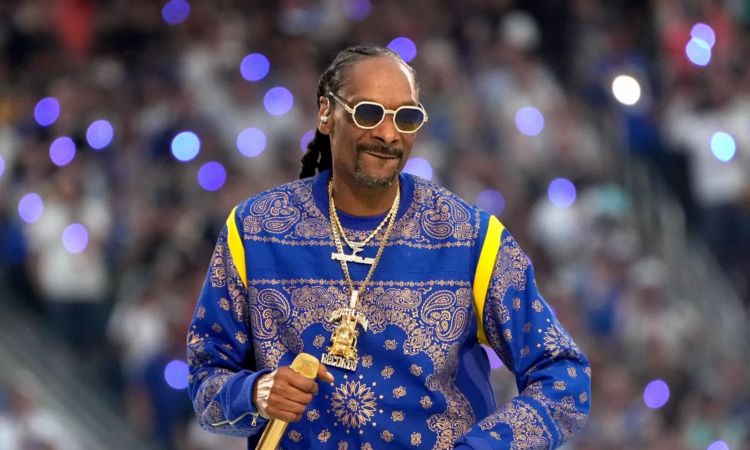
Snoop Dogg’s journey from the streets of Long Beach to global stardom is deeply intertwined with his early ties to the Rollin’ 20s Crips. Growing up in this environment, he infused his music and persona with authentic references to Crip culture, evident in his lyrics and style. One notable instance of this connection came during the 2022 Super Bowl halftime show. Snoop donned a blue bandana outfit, a clear nod to his Crip affiliation, despite the NFL’s request to avoid gang-related imagery. That act underscored his unwavering commitment to his roots and highlighted the complex relationship between his past affiliations and mainstream success.
Ice-T – Associated with LA Crips
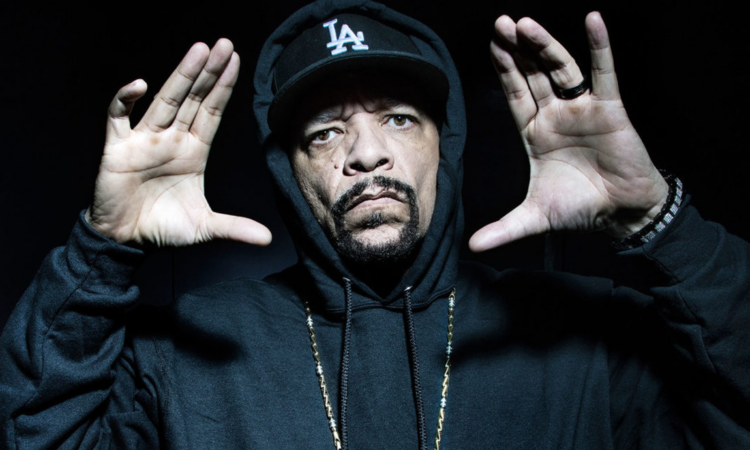
Tracy Marrow, better known as Ice-T, navigated the gritty streets of Los Angeles during his youth, where he ran with the Crips. These firsthand experiences with gang culture profoundly shaped his music, leading him to pioneer “gangsta rap.” His 1986 track “6 in the Mornin’” is often hailed as one of the genre’s foundational songs, vividly depicting street life and the challenges of urban existence. Transitioning from gang life, Ice-T channeled his past into a successful career in music and acting, exemplifying resilience and the power of personal transformation.
Cardi B – Gang Affiliations with Bronx Bloods
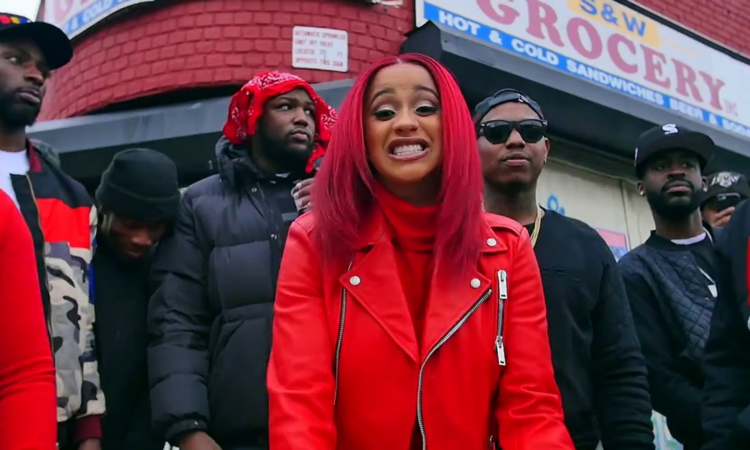
Before her rise to fame, Cardi B related to the Bloods in the Bronx, New York. She has openly discussed her involvement with the gang during her teenage years, attributing it to the environment she grew up in. Cardi B’s early candidness about her past provides insight into the challenges she overcame on her path to success.
Nipsey Hussle – Affiliated with Rollin’ 60s Crips
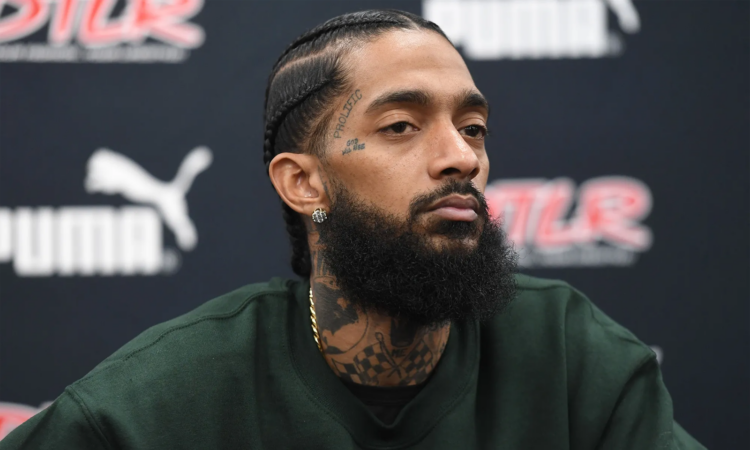
Nipsey Hussle’s story is perhaps the most layered on this list. Born Ermias Asghedom in the Crenshaw neighborhood of South Los Angeles, Hussle grew up around the Rollin’ 60s Neighborhood Crips and never hid that fact. Often seen wearing the Chicago White Sox cap, a symbol favored by the Rollin’ 60s Crips due to its black and white design, he embraced his past while striving for positive change. While maintaining his street credibility, Hussle became a beloved community activist, investing in his neighborhood through businesses, STEM programs for local kids, and real estate ventures along the Crenshaw corridor. His 2018 debut studio album Victory Lap earned a Grammy nomination. Tragically, on March 31, 2019, Hussle was shot and killed outside his Marathon Clothing store in South Los Angeles at age 33. The assailant, Eric Holder Jr., was a fellow Rollin’ 60s member, highlighting the persistent dangers of gang affiliations even for those dedicated to community upliftment. His legacy is now defined less by his gang affiliation and more by his vision of using success to uplift the neighborhood that shaped him.
Chris Brown – Ties with LA Piru
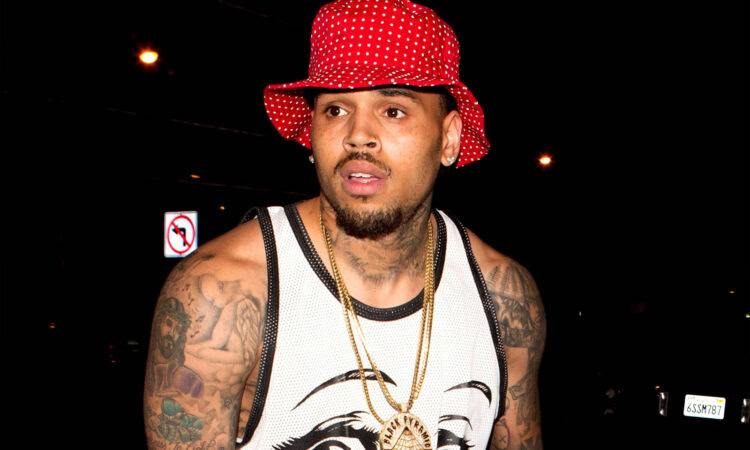
Singer Chris Brown ties to the Bloods gang, particularly the Fruit Town Piru set in Los Angeles. While he has denied active membership, his associations and public gestures have sparked controversy. In 2014, Brown appeared throwing up gang signs at a club in Los Angeles that were connected to the Fruit Town Piru set. He appears using Fruit Town Piru gang signs and has hired several members of the gang to work for him, giving their Compton community an economic boost. Brown’s connections to gang culture highlight the complex interplay between celebrity and street affiliations.
Lil Wayne – Bloods
Lil Wayne’s connection to the Bloods is one of hip-hop‘s worst-kept secrets for over two decades. The New Orleans rapper has ties to the Bloods going back to the mid-2000s, frequently repping the color red and referencing the gang in his music. His affiliation became more public around the release of Tha Carter III, when he openly used Bloods terminology in interviews and lyrics. Despite the gang ties, Wayne’s career never suffered commercially. He became one of the best-selling rappers of all time, racking up five Grammy Awards and launching the careers of Drake and Nicki Minaj through his Young Money label. Today, Wayne rarely discusses his affiliation directly, and he has never publicly renounced it either.
Tekashi 6ix9ine – Nine Trey Gangsta Bloods
No celebrity gang story in recent memory is as explosive, or as publicly messy, as Tekashi 6ix9ine’s involvement with the Nine Trey Gangsta Bloods. The Brooklyn rapper aligned himself with the gang around 2017 as his career was taking off, using the association to fuel a deliberately provocative image. It all collapsed in November 2018 when federal authorities arrested him on racketeering, weapons, and drug trafficking charges. Facing a possible 47-year sentence, 6ix9ine cooperated with prosecutors, testifying against fellow Nine Trey members in open court. His testimony helped convict several high-ranking members, and the “snitching” scandal made him one of the most polarizing figures in hip-hop. He attempted a comeback with new music, but the commercial returns diminished sharply, proof that in hip-hop, cooperation with law enforcement carries a steeper career penalty than the gang affiliation itself.
Tookie Williams – Crips Co-Founder
Stanley “Tookie” Williams stands apart on this list because he didn’t just join a gang, he co-founded one of the most infamous gangs in American history. In 1971, Williams and Raymond Washington established the Crips in South Central Los Angeles, a gang that would eventually grow into a nationwide phenomenon with tens of thousands of members. Williams received a conviction for four murders in 1981 and was sentenced to death. But his story took an unexpected turn on death row. Williams became an anti-gang activist and authored a series of children’s books warning young people away from gang life. He earned a nomination multiple times for the Nobel Peace Prize, and his case became a flashpoint in the death penalty debate. He died on December 13, 2005. His story remains one of the most debated examples of whether redemption on death row should carry legal weight.
King Von – O Block, Chicago
King Von, born Dayvon Bennett on the South Side of Chicago, was one of the most prominent figures to emerge from the city’s drill music scene, and one of the most tragic. Von grew up in Parkway Gardens, the housing project known as “O Block,” which became synonymous with Chicago’s gang violence and the drill rap movement. He faced multiple serious criminal charges throughout his life, including two separate murder cases, both of which were eventually dropped. His music was raw autobiographical storytelling, narrating shootings, losses, and feuds with a specificity that blurred the line between art and confession. Signed to Lil Durk’s OTF label, Von was building real commercial momentum when he was shot and killed outside an Atlanta nightclub on November 6, 2020, at age 26. His death underscored the deadly reality that for some artists in the drill scene, the violence in the music isn’t metaphorical, and fame offers no protection from it.
The relationship between fame and gang life has never been simple. For some on this list, gang affiliation was a survival mechanism that predated their careers. For others, it was a brand strategy that backfired catastrophically. And for a few, it was something they spent their later years trying to undo, through community work, through literature, or simply by moving on. What these stories make clear is that gang ties don’t define a single narrative. They can lead to Grammy stages and prison cells, Nobel nominations and nightclub parking lots. The public’s fascination with celebrity gang members isn’t going away. The least we can do is look at these stories with the nuance they demand rather than reducing them to tabloid shorthand.
Poll Results
Poll: Which Actor Was the Best Batman


Cast your vote
Which Actor Was the Best Batman
Cast your vote
Poll: Which Actor Was the Best Batman
Frequently Asked Questions
Yes. Snoop Dogg has openly discussed his Crip affiliation, which he says began in his teens in Long Beach, California. He has spoken publicly about working to mediate gang conflicts as he has aged, including hosting an annual youth football league aimed at giving Long Beach kids alternatives to gang life.
No, gang membership is not a protected status under US anti-discrimination law. Some states have passed laws against using suspected gang affiliation as the sole basis for sentencing enhancements without independent evidence of gang-related criminal activity. Documented gang membership can still significantly affect bail, sentencing, and probation conditions in many jurisdictions.
Several public figures have framed their past gang involvement as part of broader stories of survival, redemption, or community advocacy. Artists like Snoop Dogg, The Game, and YG have used their platforms to discuss gang violence prevention, while activists like the late Stanley “Tookie” Williams transitioned from co-founding the Crips to writing anti-gang children’s books before his execution in 2005.