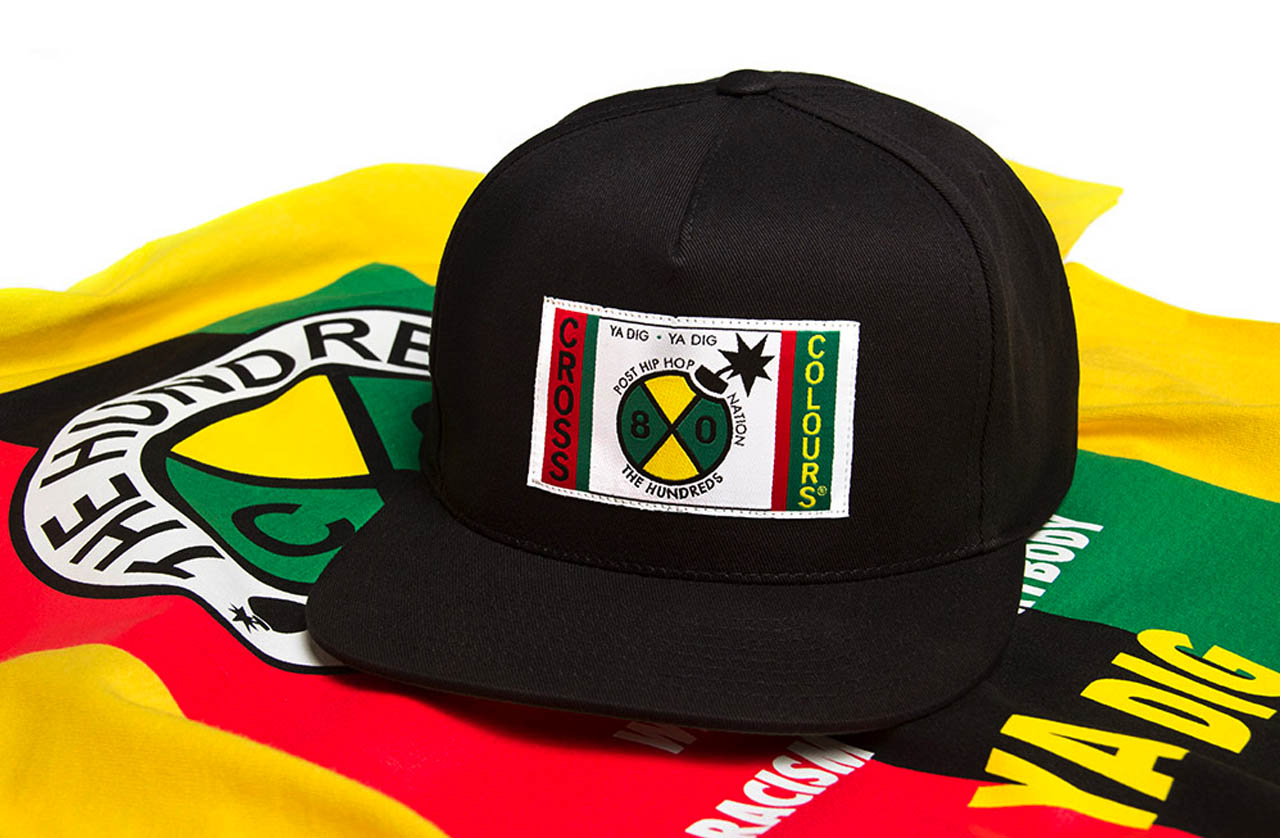
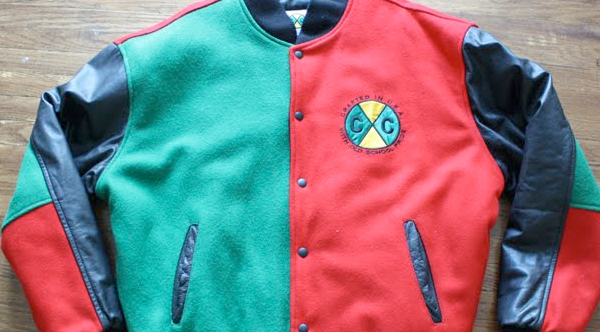
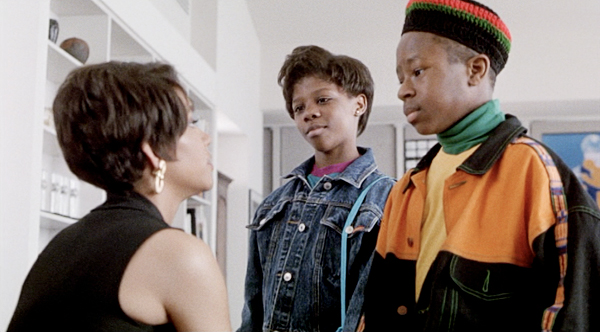
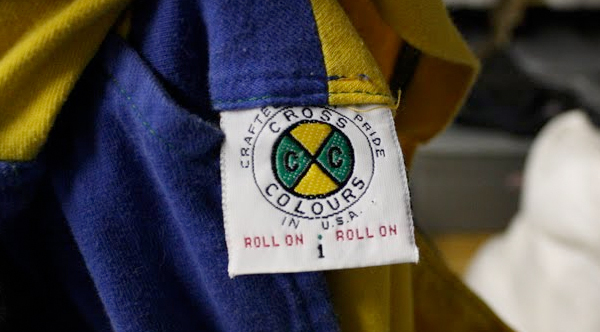
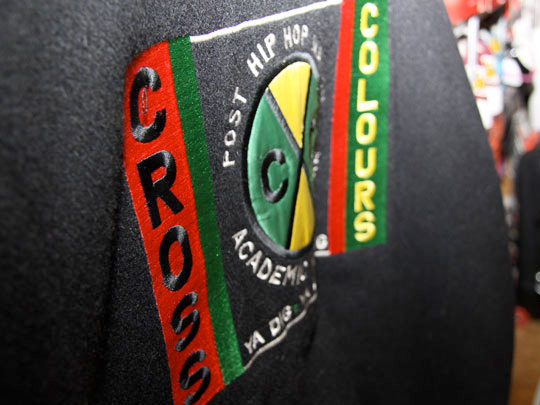
Something about this Throwback Thursday entry makes me want to sing the Living Single theme song. If you watched Living Single, Martin, or A Different World, then you remember the red, green, and yellow that defined 1990s fashion. You remember Cross Colours.
This article is part of our complete guide to How Hip-Hop Changed Everything.
The 90s brand that turned heads and brought a message
Cross Colours was the brainchild of Carl Jones, an entrepreneur who studied at the Otis Parsons School of Design and Trade Technical College in Los Angeles. So he had a serious design education before he ever cut a sample. Jones bounced through several fashion ventures, including a T-shirt company and a label called Surf Fetish. He then hired graphic designer Thomas “TJ” Walker, who joined the brand and eventually became vice president.
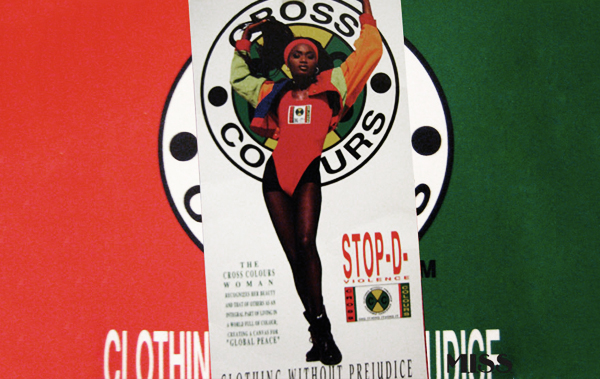
Cross Colours launched in 1989 with a clear point of view. The brand existed to broadcast socio-political messages, including denouncing gang violence and calling for unity in the African American community. The slogan “Clothing Without Prejudice” appeared on every garment. The Cross Colours label is also credited with influencing later designers like Karl Kani.
The mission, in the brand’s words
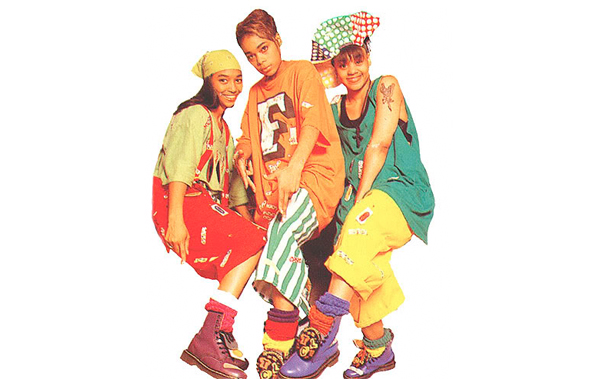
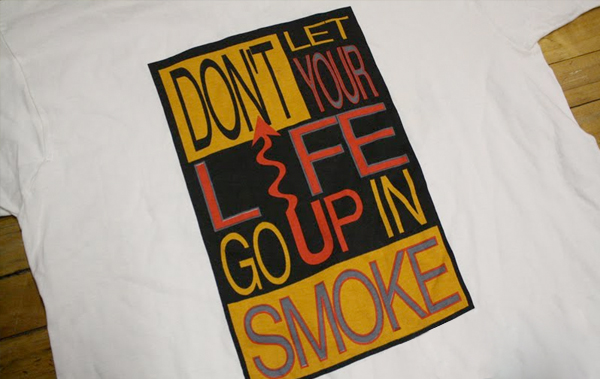
Cross Colours is the first clothing brand created for all Americans with a street point of view. The rising hip-hop movement embraced the brand. Slogans like Clothing Without Prejudice, Educate 2 Elevate, Stop the Violence, and Love Sees No Color made it iconic. Top artists and celebrities like Snoop Dogg, Tupac, Run-DMC, Dr. Dre, TLC, Will Smith, Magic Johnson, Shaquille O’Neal, MC Lyte, Kathy Ireland, Jamie Foxx, Paula Abdul, Mary J. Blige, Stevie Wonder, and Muhammad Ali wore the line in the early 1990s.
Poll Results
Poll: What’s the Best Sneaker Brand of All Time?
Note: Threads only allows 4 options. If you’re here from Threads, vote now for your favorite that didn’t get love on Threads or choose Other if you don’t see your choice.


*Threads poll is closed.
Cast your vote
What’s the Best Sneaker Brand of All Time?
Cast your vote
Poll: What’s the Best Sneaker Brand of All Time?
Note: Threads only allows 4 options. If you’re here from Threads, vote now for your favorite that didn’t get love on Threads or choose Other if you don’t see your choice.
*Threads poll is closed.
Meteoric rise and decline
The numbers tell the story. Cross Colours hit roughly $80 million in sales within three years. In 1992, while overall menswear shipments grew about 4 percent, Cross Colours posted a 493 percent jump. For a minute there, the brand stood as one of the fastest-growing apparel companies in America.
The rise did not last. By the mid-1990s, retailer pressures, supplier issues, and shifting trends slowed momentum. The brand pulled back from its peak presence on department-store floors. The cultural footprint never really faded.
Cross Colours today
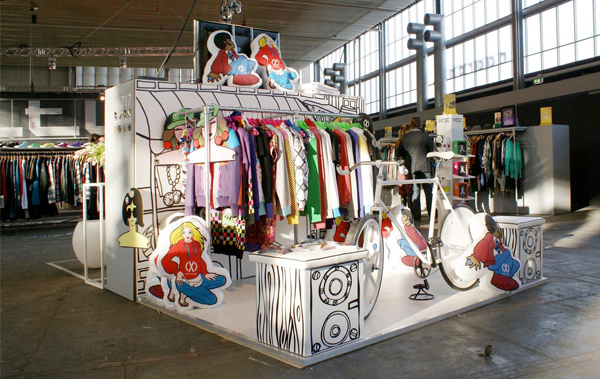
The brand is still alive, and crucially, still owned by its original founders. Carl Jones and TJ Walker continue to run Cross Colours today. In 2014, they revamped the brand and updated the mission. The original “clothing without prejudice” idea folded into a broader cultural mandate. Museum exhibitions followed. The California African American Museum in Los Angeles hosted a thirty-year retrospective of the founders’ work.
Whether the brand can pull off a full resurgence in today’s hypebeast-driven culture is still an open question. But the message endures. Cross Colours was never just clothes. It was a statement, and the statement still applies.
Frequently Asked Questions
Cross Colours was founded in 1989 by Carl Jones, a Los Angeles-based fashion entrepreneur, and TJ Walker, a graphic designer Jones hired who later became the brand’s vice president. Both founders still own and operate the brand today.
The brand’s slogan is “Clothing Without Prejudice,” and other recurring slogans include “Educate 2 Elevate,” “Stop the Violence,” and “Love Sees No Color.” The Afrocentric red, green, and yellow palette referenced the land, the sun, and shared heritage.
Cross Colours hit roughly $80 million in sales within three years of its 1989 launch. In 1992, while the overall menswear market grew about 4 percent, Cross Colours posted a 493 percent year-over-year sales increase, briefly making it one of the fastest-growing apparel brands in the United States.
Cross Colours appeared on Snoop Dogg, Tupac Shakur, Run-DMC, Dr. Dre, TLC, Will Smith, Magic Johnson, Shaquille O’Neal, MC Lyte, Kathy Ireland, Jamie Foxx, Paula Abdul, Mary J. Blige, Stevie Wonder, and Muhammad Ali, among many others. The brand became especially identifiable on shows like Living Single, Martin, and A Different World.
Yes. The brand is still operated by original founders Carl Jones and TJ Walker. They relaunched in 2014 with an updated mission. The California African American Museum in Los Angeles also hosted a thirty-year retrospective of their work, cementing the brand’s status as a foundational American streetwear label.