Mom, LA Gear Please!
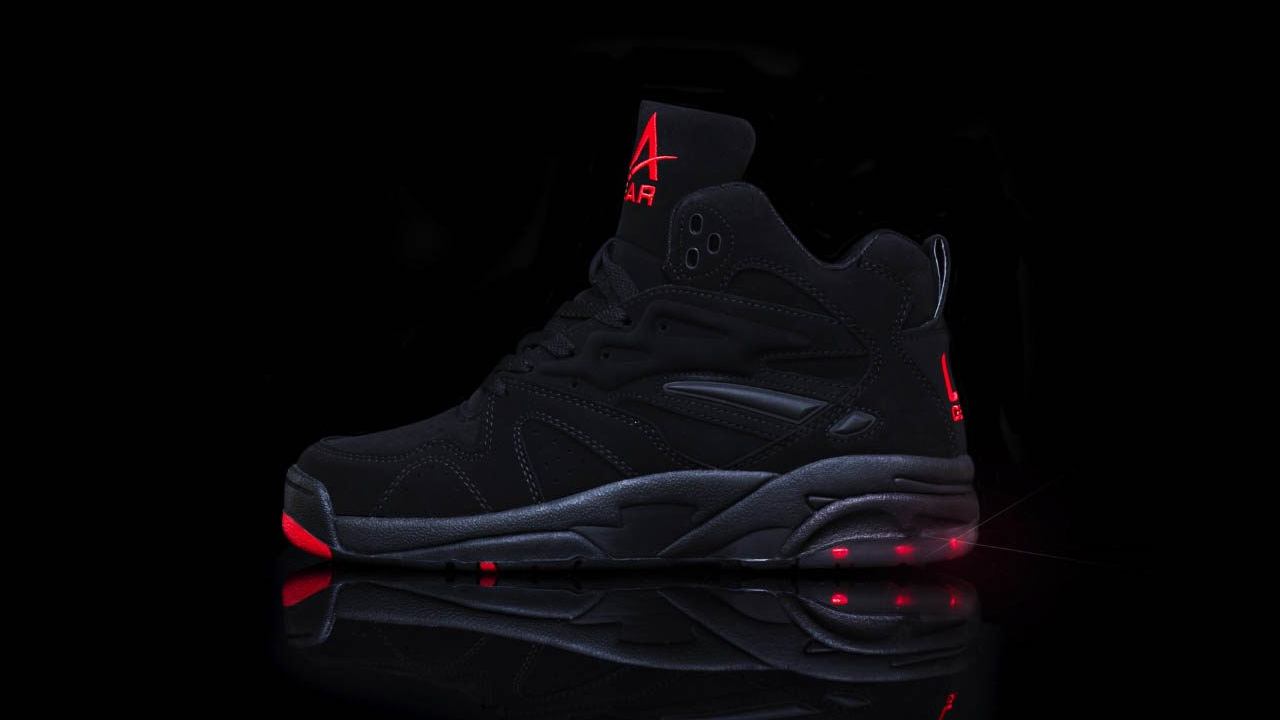
The ’90s fashion scene was a fever dream. Cross Colours jump suits and light up shoes made the 90’s such a vibrant and colorful era. That’s when we witnessed the meteoric rise of LA Gear, a brand that became synonymous with the era’s dynamic interplay of color and illumination. Far from just another line of footwear, LA Gear represented the pulsating heart of youth culture, eager to distinguish itself. Those sneakers weren’t mere accessories. They were emblems of coolness, igniting a fervor among both kids and adults. With every step taken in those high-tops, wearers didn’t just move. They made statements, lighting up their paths in ways unimaginable before.
This article is part of our complete guide to How Hip-Hop Changed Everything.
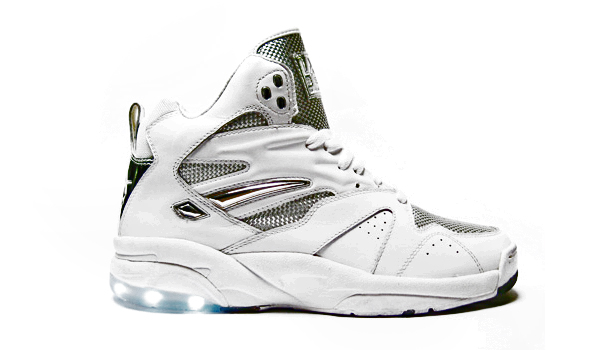
It was the ultimate fashion statement for the prepubescent youth searching for just the right piece of flare to jump-start their social maturation. Kids all over the country were asking their parents for the “light-up shoes”. It was a hightop masterpiece of leather and man-made synthetics with all the makings of a worldwide fashion phenomenon. Well, almost.
A Childhood Dream: Light Up Shoes Hit the Scene
The ultimate childhood trophy wasn’t just any cool pair of sneakers. It was owning a pair that lit up the room, literally. LA Gear transformed this dream into reality, introducing shoes that flickered with vibrant light, making every step an event. These were more than just shoes; they were high-top masterpieces, blending leather and synthetics into something that felt almost magical.
From Venice Beach to the World
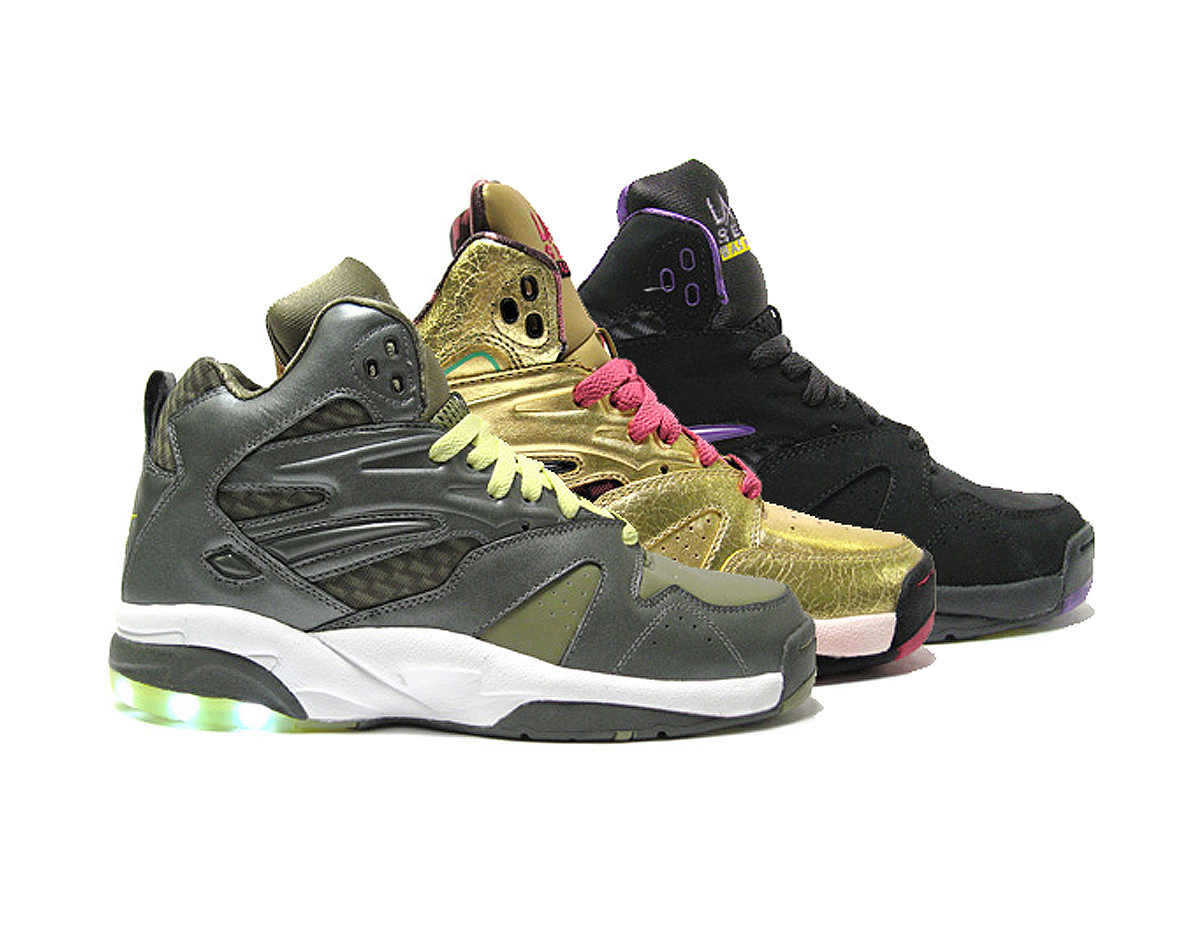
Founded in 1979 by Robert Greenberg, LA Gear began its journey on Venice Beach, initially focusing on roller skates. By the mid-1980s, the brand expanded into athletic footwear and quickly captured the public’s imagination. LA Gear shoes, with their dual shoelace offering and distinctive style, became must-haves, featured in high-end department stores and, eventually, more accessible retailers.
Poll Results
Poll: What’s the Best Sneaker Brand of All Time?
Note: Threads only allows 4 options. If you’re here from Threads, vote now for your favorite that didn’t get love on Threads or choose Other if you don’t see your choice.


*Threads poll is closed.
Cast your vote
What’s the Best Sneaker Brand of All Time?
Cast your vote
Poll: What’s the Best Sneaker Brand of All Time?
Note: Threads only allows 4 options. If you’re here from Threads, vote now for your favorite that didn’t get love on Threads or choose Other if you don’t see your choice.
*Threads poll is closed.
Endorsements and Iconic Moments
The brand wasn’t shy about celebrity endorsements, aligning itself with legends like Kareem Abdul-Jabbar, Joe Montana, and Wayne Gretzky. Even pop culture icons Michael Jackson and Paula Abdul lent their star power, propelling LA Gear’s shoes into the stratosphere of desirability.
The Challenge of Sustaining the Spark
Despite a dazzling beginning, LA Gear’s journey encountered turbulence. By the early ’90s, the market’s whims began to shift. The brand faced the daunting task of maintaining its relevance in a rapidly evolving fashion landscape. Efforts to upscale the brand’s image by restricting access to their shoes and venturing into exclusive collaborations met with mixed results. The mid-’90s saw the brand recalibrating, focusing more on lifestyle lines for women and children. Those shifting strategies hinted at a deeper struggle to connect with a changing consumer base.
Bankruptcy and Attempts at Reinvention
The late ’90s and early 2000s marked a period of significant challenge for LA Gear, culminating in a bankruptcy filing in 1998. Yet, the brand’s spirit of innovation persisted, attempting a relaunch in 2004 with a focus on men’s performance footwear and fashion athletic shoes for women. Despite these efforts, the landscape of fashion and footwear had shifted irrevocably.
The Legacy of LA Gear
Today, LA Gear’s story is a testament to the cyclical nature of fashion and the enduring allure of innovation. While the brand’s brightest days may seem like echoes of the past, its impact on ’90s culture and fashion remains undeniable. LA Gear’s journey, from its inception to its zenith and the challenges that followed, reflects a fascinating chapter in the history of fashion, one that continues to inspire nostalgia and admiration.
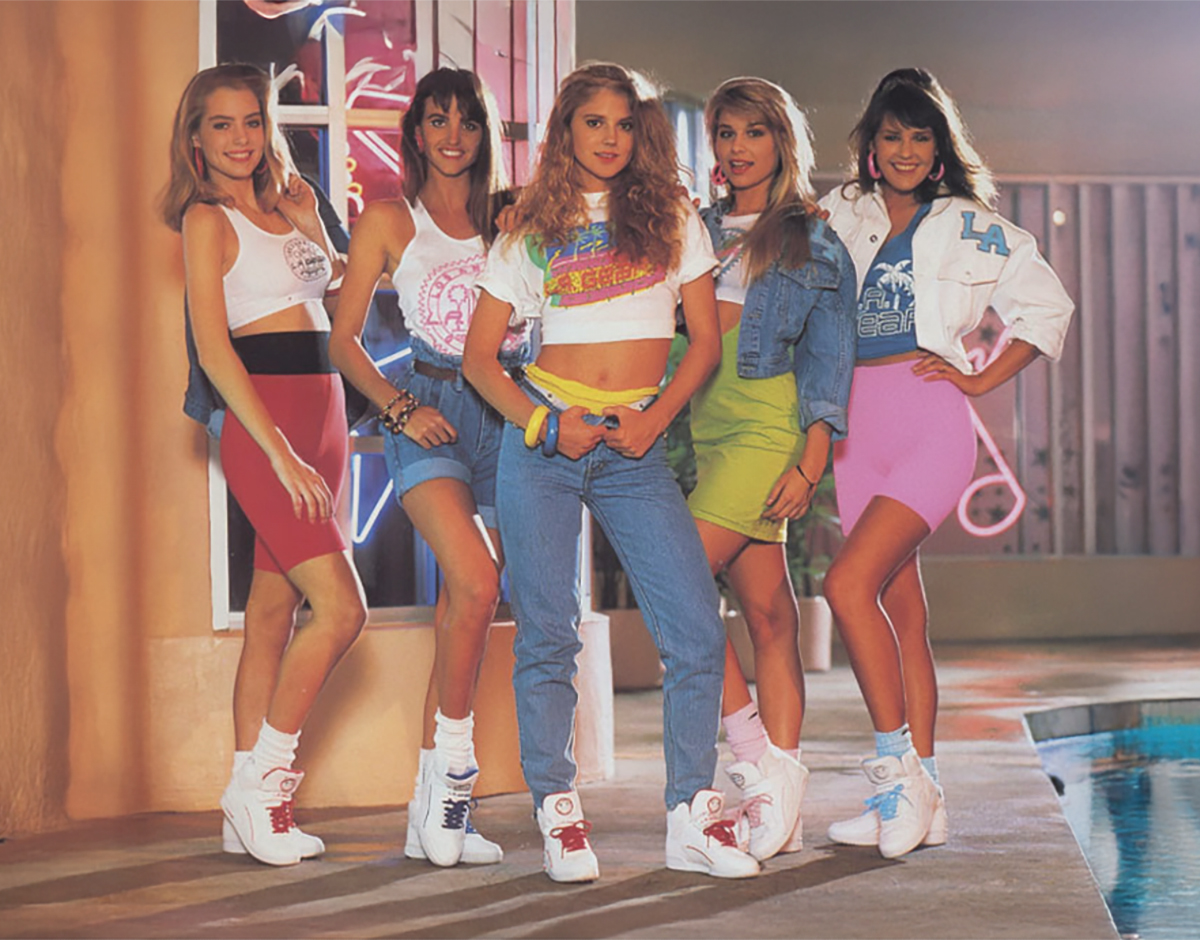
History of LA Gear
Early Beginnings
L.A. Gear was founded by Robert Greenberg in 1979 to market and rent roller skates in Venice Beach. In the mid-1980s, the brand expanded into athletic footwear and quickly gained popularity. One of its signature features was offering two pairs of shoelaces with their shoes, one white and another in a contrasting color.
Rise in Popularity
As the 1990s began, L.A. Gear’s popularity surged, with their shoes becoming increasingly available in high-end department stores like Macy’s. Over time, they expanded distribution, even creating exclusive designs for discount retailers such as Caldor.
Decline in the Mid-1990s
By 1993, L.A. Gear’s popularity started to wane. The company attempted to regain its upscale clientele by limiting distribution to higher-end stores. Surplus inventory began appearing in flea markets and supermarkets, which hurt the brand’s image. In 1994, L.A. Gear shifted focus, discontinuing their men’s performance footwear line and emphasizing lifestyle shoes for women and children. A failed acquisition of the Ryka brand also marked this turbulent period.
Wal-Mart Partnership and Bankruptcy
In 1995, L.A. Gear entered into a three-year contract with Wal-Mart to produce lower-priced, exclusive designs for the retailer. The move clashed with their upscale strategy and ultimately failed as sales declined. By 1998, the company filed for Chapter 11 bankruptcy, scaling back its offerings significantly.
Attempts at Revival
In 2004, L.A. Gear relaunched with a focus on men’s performance footwear, reviving the Catapult line. Los Angeles Lakers rookie Luke Walton and NBA player Ron Artest briefly endorsed the brand. Neither association brought lasting success. The company shifted back to marketing fashion athletic shoes for women.
Recent Efforts and Relaunches
L.A. Gear reintroduced its Stardust women’s fashion line in 2009, followed by a new version of the popular L.A. Lights. They also joined the rocker-bottom shoe trend with the Walk N Tone sneaker line. Despite these efforts, the brand remains primarily focused on fashion athletic footwear for women.
LA Gear Endorsements
Kareem Abdul-Jabbar
NBA legend Kareem Abdul-Jabbar was one of the first athletes to endorse L.A. Gear shoes. Toward the end of his illustrious basketball career, Abdul-Jabbar ended a long-standing partnership with Adidas to sign with L.A. Gear, adding credibility to the upstart brand.
Joe Montana
In 1990, San Francisco 49ers quarterback Joe Montana became L.A. Gear’s marquee athlete. His endorsement helped the brand tap into the football market and broaden its appeal to sports enthusiasts.
Wayne Gretzky
Hockey icon Wayne Gretzky joined the roster of L.A. Gear endorsers while still playing for the Los Angeles Kings. Gretzky’s partnership led to the creation of his own line of street hockey shoes, though the collaboration ended when his endorsement contract expired.
Michael Jackson
Global superstar Michael Jackson brought unparalleled star power to L.A. Gear. He endorsed shoes for both men and women, further boosting the brand’s visibility and appeal to a wide audience.
Paula Abdul
In 1991, pop sensation Paula Abdul was signed away from Reebok to join L.A. Gear. Her signature shoe became one of the brand’s top sellers in the early 1990s, cementing her as one of the most impactful celebrity endorsers for the company.
LA Gear vs. Nike vs. Reebok: The Sneaker Wars
To truly appreciate LA Gear’s rise and fall, you have to understand the battlefield. The late ’80s and early ’90s sneaker market was a three-way war between Nike, Reebok, and LA Gear. While Nike had Michael Jordan and Reebok had the Pump, LA Gear bet everything on flash, literally. Their light-up technology was a genuine innovation that no competitor could match. For a brief window, it worked. LA Gear peaked at $820 million in annual sales in 1990, making it the third-largest sneaker brand in America.
But the sneaker wars were ruthless. Nike’s marketing machine was unbeatable. Reebok had deeper pockets for celebrity deals. LA Gear’s strategy of chasing every demographic, performance athletes, fashion-forward women, light-up-obsessed kids, left the brand without a clear identity. When you’re everything to everyone, you’re nothing to anyone. Nike and Reebok learned that lesson early and built their empires around specific identities. LA Gear never quite figured it out.
Can You Still Buy LA Gear Light-Up Shoes?
If you’re feeling nostalgic (and who isn’t?), the answer is… sort of. LA Gear still exists as a brand, though it’s a shell of its former self. The company has made several attempts at comebacks, re-releasing updated versions of the L.A. Lights and other classic silhouettes. You can occasionally find retro-styled LA Gear sneakers through online retailers, though they lack the cultural moment that made the originals special.
The real collector’s market, though, lives on eBay and in vintage sneaker shops. Original deadstock LA Gear Lights from the early ’90s can fetch anywhere from $150 to $500 depending on condition and colorway. The metallic gold and Lakers-themed versions are particularly sought after. It’s ironic, shoes that retailed for $50 in 1991 are now worth ten times that, proving that nostalgia is the most powerful currency in sneaker culture.
Frequently Asked Questions About LA Gear
LA Gear introduced their L.A. Lights line in the early 1990s, with the technology debuting around 1991-1992. The shoes featured small LED lights in the sole that flashed with each step, making them an instant hit with kids and a cultural phenomenon of the decade.
LA Gear filed for Chapter 11 bankruptcy in 1998 after years of declining sales. The brand struggled to compete with Nike and Reebok, made strategic missteps like partnering with Walmart (which undermined their upscale image), and failed to maintain a consistent brand identity as market trends shifted away from flashy sneakers.
LA Gear secured endorsements from major athletes and celebrities including Kareem Abdul-Jabbar, Joe Montana, Wayne Gretzky, Michael Jackson, and Paula Abdul. Karl Malone and Hakeem Olajuwon also had signature shoes with the brand. These high-profile partnerships helped establish LA Gear as a legitimate player in the athletic footwear market.
Original deadstock LA Gear shoes from the early 1990s have become collectible. Depending on the model, condition, and colorway, vintage LA Gear Lights can sell for $150 to $500 on resale platforms. The brand still produces shoes today, but the vintage originals command the highest prices among sneaker collectors and nostalgia enthusiasts.