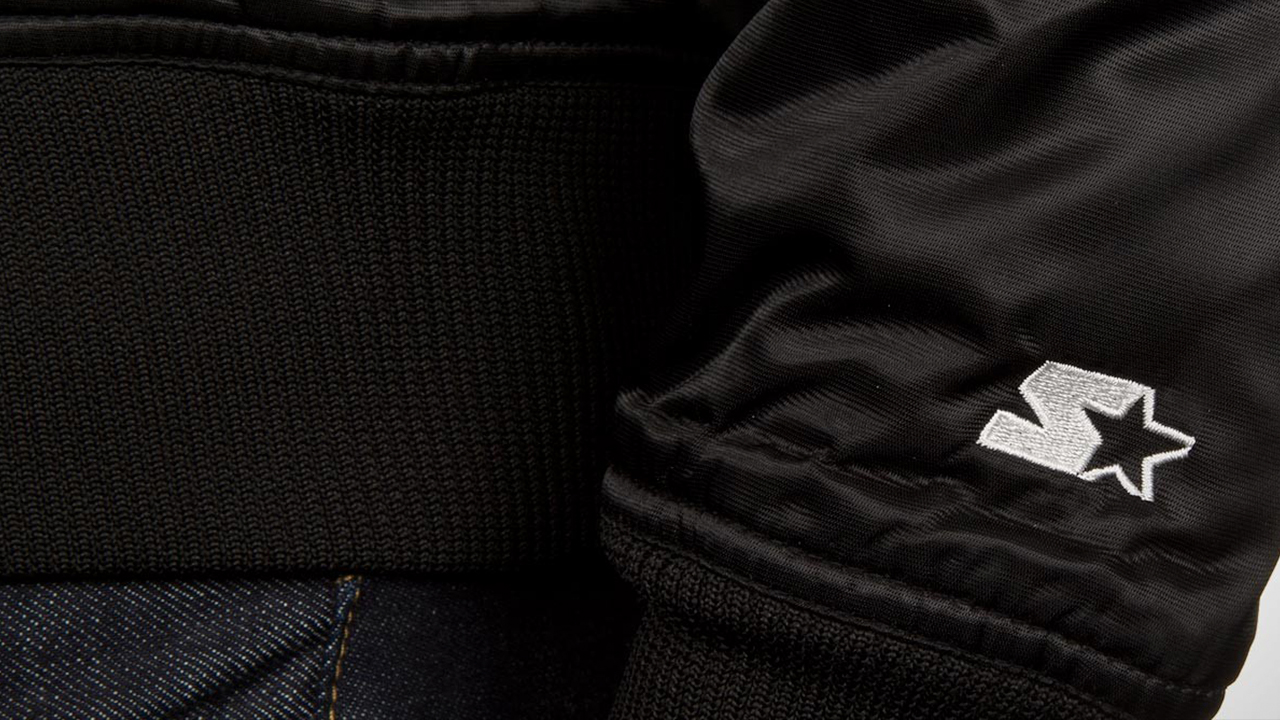
Starter jackets started as team-allegiance gear. They did not stay there long. By the early ’90s the satin shells with the chunky league emblems had jumped from arenas to videos to high schools. What began as licensed sports apparel turned into one of the loudest fashion statements of the decade. Below is the short version of how that happened.
This article is part of our complete guide to How Hip-Hop Changed Everything.
The evolution of Starter jackets
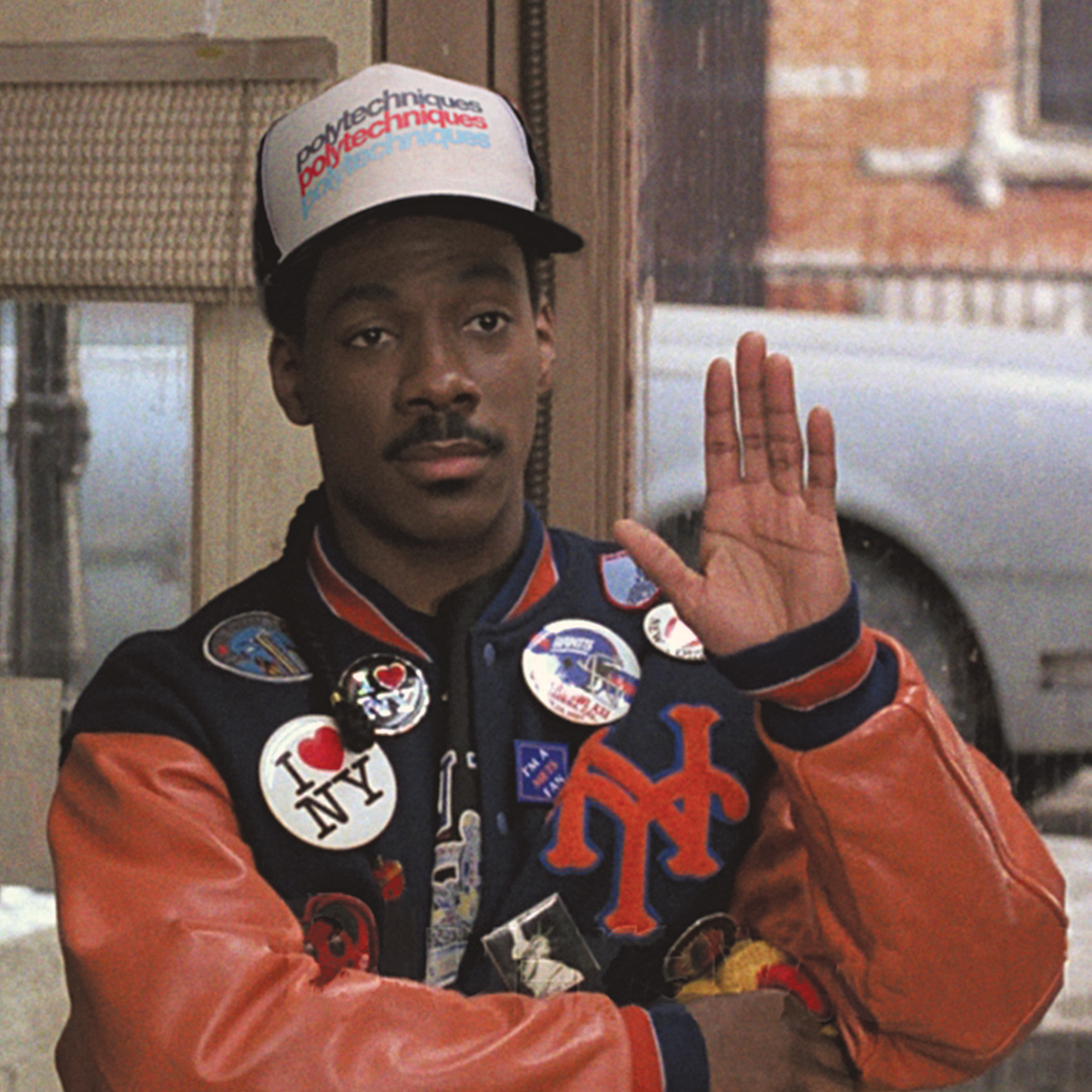
Starter built the jackets for fans first. The early run leaned on bold logos, official colorways, and the kind of build that survived a high-school commute. Then the design caught on with people who never set foot in a stadium. The jacket stopped being a uniform and started being a look. The bright satin and pullover hoods felt new, and that was enough.
Pop culture takeover
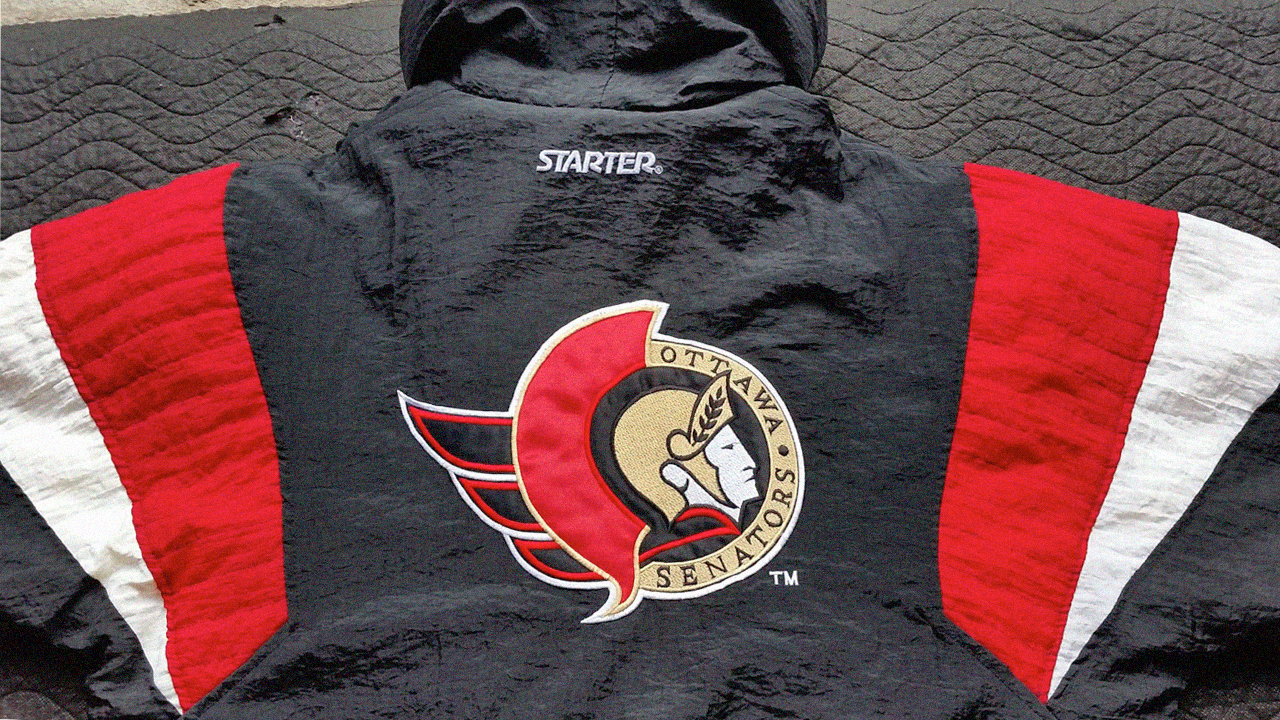
Pop culture finished the job. Rappers, athletes, and actors put Starter on screen and on stage. Kids who could not name a single shooting guard suddenly wanted the Charlotte Hornets pullover anyway. Music videos helped. Movies helped more. By the time MTV played the same hook every hour, the jacket was officially streetwear royalty.
The visibility cut both ways. The jackets got expensive. Demand outpaced supply. The price tag turned the jacket into a status object, and, in some neighborhoods, a target. That dark side of the boom is part of the story too.
Poll Results
Poll: What is The Most Influential Male Group of All Time


Cast your vote
Poll: What is The Most Influential Male Group of All Time
Cast your vote
Poll: What is The Most Influential Male Group of All Time
Starter as a fashion icon
Athleisure was just becoming a real category. Starter slid right into the middle of it. The jackets paired easy with jumpsuits, jerseys, ball caps, and athletic sneakers. The layered look read instantly cool, sport on top, street on the bottom. Starter ended up in fashion editorials next to brands that never sniffed a locker room.
The brand behind the jacket
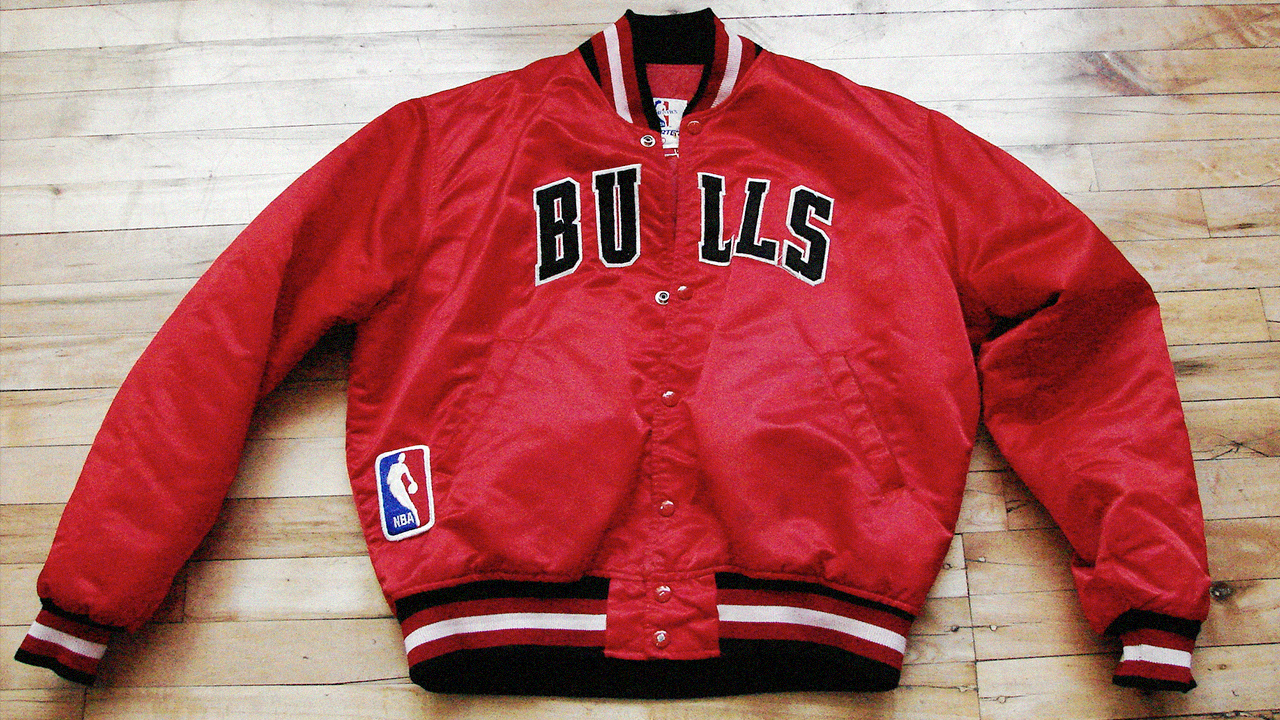
Starter is its own brand. The company was founded in 1971 in New Haven, Connecticut by David Beckerman, who borrowed $50,000 and added $25,000 of his own savings to launch Starter. After that, he chased licensing deals one league at a time. He landed Major League Baseball in 1976. Next came the NBA and NHL. In 1983, the NFL signed on after eight years of rejection. By 1991 the brand was doing roughly $200 million a year in sales.
The run did not last forever. Starter filed Chapter 11 in 1999. After that, the trademark passed through several owners. The version on shelves today is not the same operation Beckerman built. Still, the silhouette and the league logos are doing the same job they always did, shorthand for a specific moment in American street style.
Why it still hits
The Starter jacket era was short. The imagery is sticky. Spotting one in a video or on a thrift rack still triggers the same response: that was the look. The brand keeps coming back in collabs and reissues. Nostalgia is a renewable resource, and Starter has plenty of it stored.
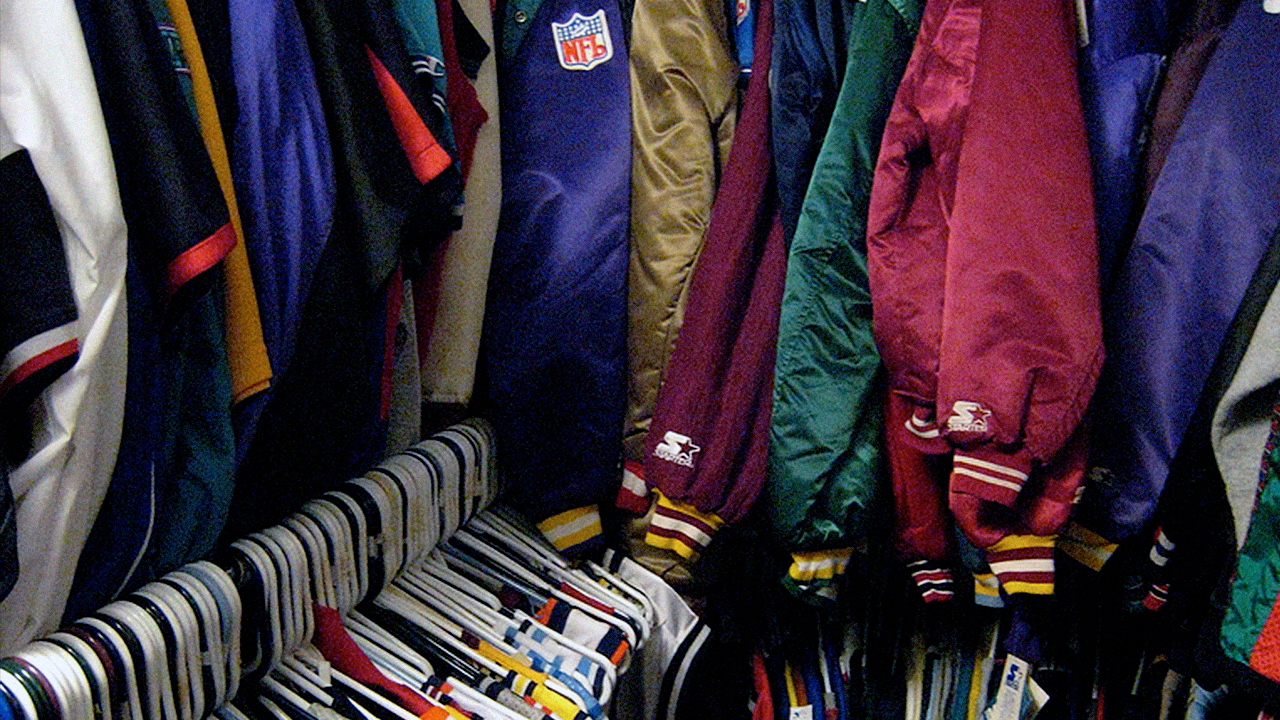
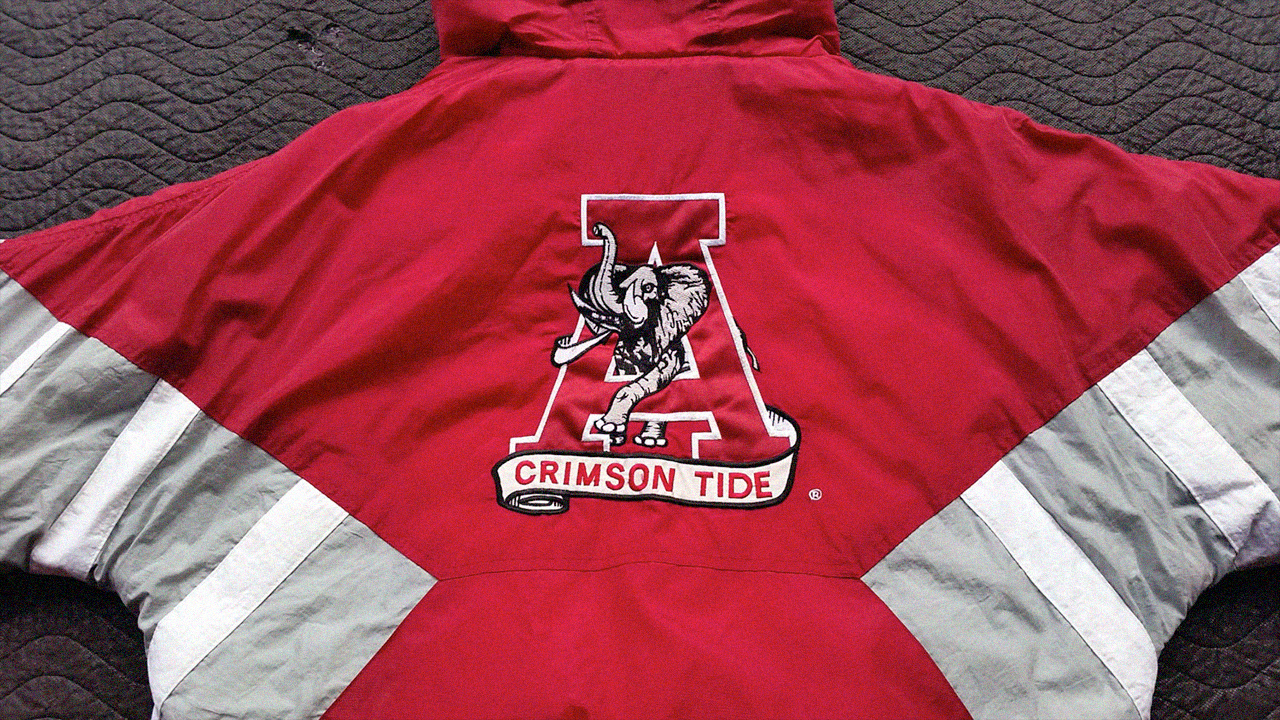
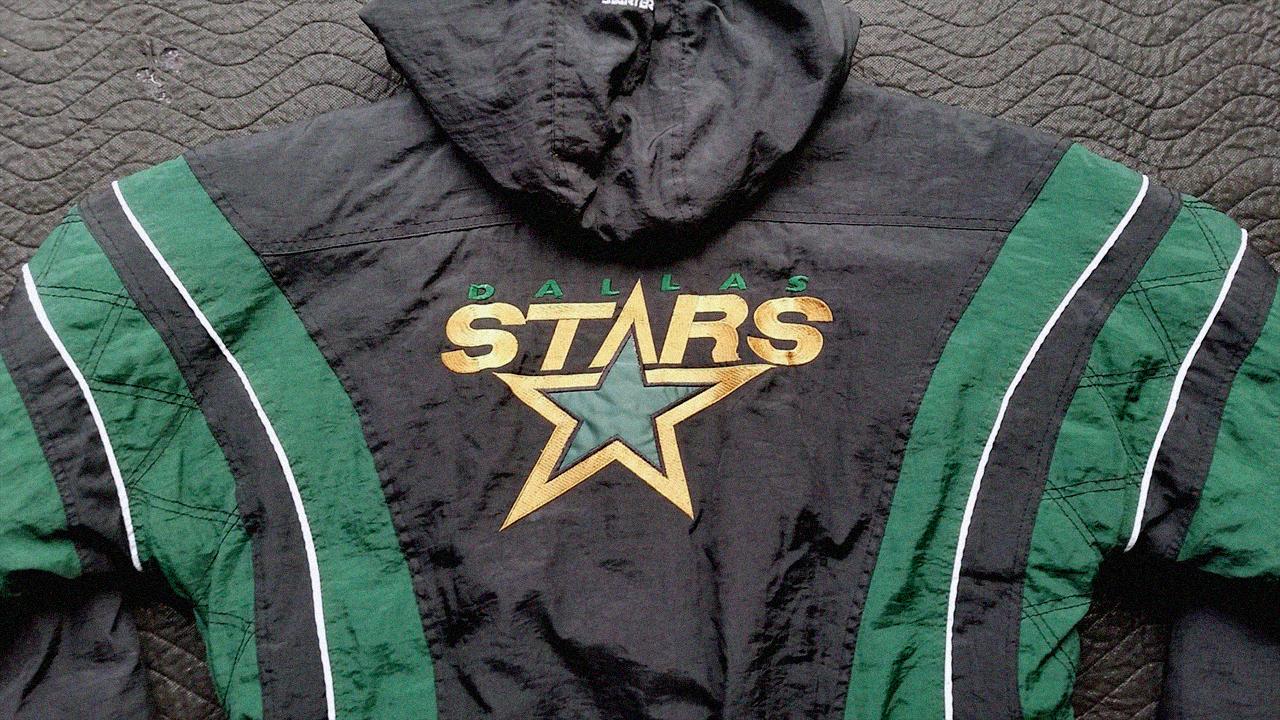
Who can forget those colorways? Turquoise and purple. Red and black. Black and gray. Each one meant repping a specific squad. The boom also pushed the jacket out of reach for a teenager working at McDonald’s. “Hey bro, come up out that jacket!” became a phrase that hit a little too close to home, especially if you tried flossin’ through the hood with one of these on without your crew next to you.
The Crash
Every status symbol has a shelf life, and Starter hit its expiration the hard way. By the late ’90s the jacket was everywhere, which was exactly the problem. The thing that made a Starter feel like something in 1991, back when you saved up or straight-up begged for it, evaporated once every mall kiosk and knockoff rack carried a version. Pile on the financial strain of a company that scaled fast on licensing deals, and the books stopped balancing. Starter filed for bankruptcy in 1999, barely a decade after it made the most-wanted coat in America. A $400-million-a-year brand, gone quiet almost as fast as it blew up.
Why the Star Came Back
Nostalgia is a dependable business, and the 90s revival that’s been running for years now looped right back around to that satin shoulder. The brand itself survived on licensing and new ownership, but the real heat is in the vintage market. An era-correct original, the heavy satin with the embroidered logo, pulls a premium the reissues can’t touch. It’s the same engine behind the sneaker resale economy: scarcity plus memory. The kid who couldn’t get the teal Hornets joint or the Raiders pullover in ’93 can finally afford one now, and plenty of them are buying exactly that, the one they remember, not the new one off the shelf.
Frequently Asked Questions
Starter was founded in 1971 in New Haven, Connecticut by David Beckerman. He launched the company with a $50,000 loan plus $25,000 of his own savings, betting on licensed team apparel before that category really existed.
Starter landed its NFL deal in 1983, after eight years of rejection. The company already held licenses with Major League Baseball (1976), the NBA, and the NHL, but the NFL deal turned the brand into a household name.
Demand outran supply. By 1991 Starter was doing roughly $200 million a year in sales, and the licensed satin jackets had become a status symbol thanks to constant exposure in music videos, films, and pro sports broadcasts. Retail prices stayed high through most of the decade.
Starter filed for Chapter 11 bankruptcy in 1999 amid a downturn in the licensed apparel market. The trademark has since passed through several owners, including Nike in 2004 and later Iconix Brand Group. Today the brand operates under Authentic Brands Group rather than the original Beckerman-led company.
No. Champion and Starter are separate American sportswear brands with separate histories. Champion was founded in 1919 by the Feinbloom brothers in Rochester, New York, while Starter was founded in 1971 by David Beckerman in New Haven, Connecticut. The two brands competed in the same licensed-apparel space but were never the same company.