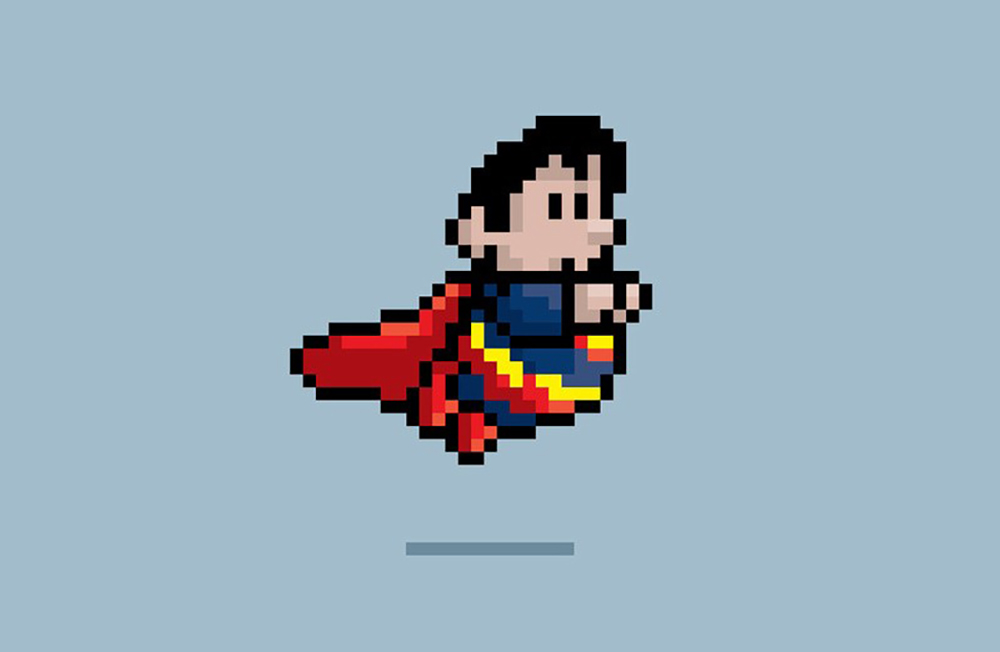
Old 8-bit hardware could only show 25 colors on screen at once. That sounds like a death sentence for serious art. But pixel artists keep proving the format wrong. Toronto-based graphic designer Jesus Castaneda is one of the best examples. His series renders pop-culture icons in 8-bit style, and the results look sharper than the format has any right to deliver.
Who is Jesus Castaneda?
Jesus Castaneda is a graphic designer based in Toronto, Canada. He posts most of his 8-bit illustrations on DeviantArt, which has been a home for digital artists, photographers, and videographers for more than two decades. Castaneda also sells prints through Society6 and posts ongoing work on Tumblr, so fans have several places to follow him.
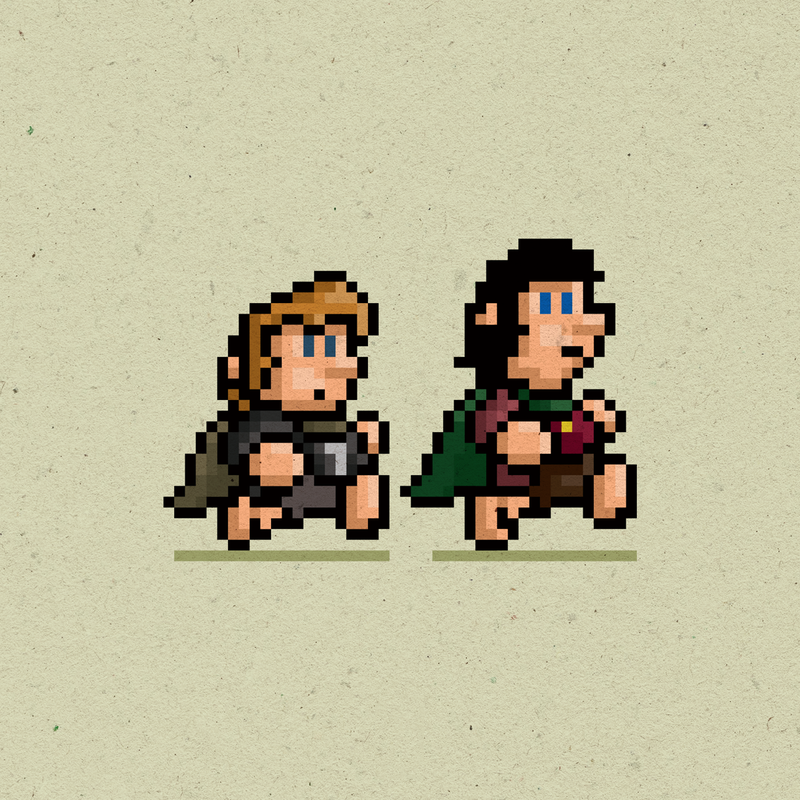
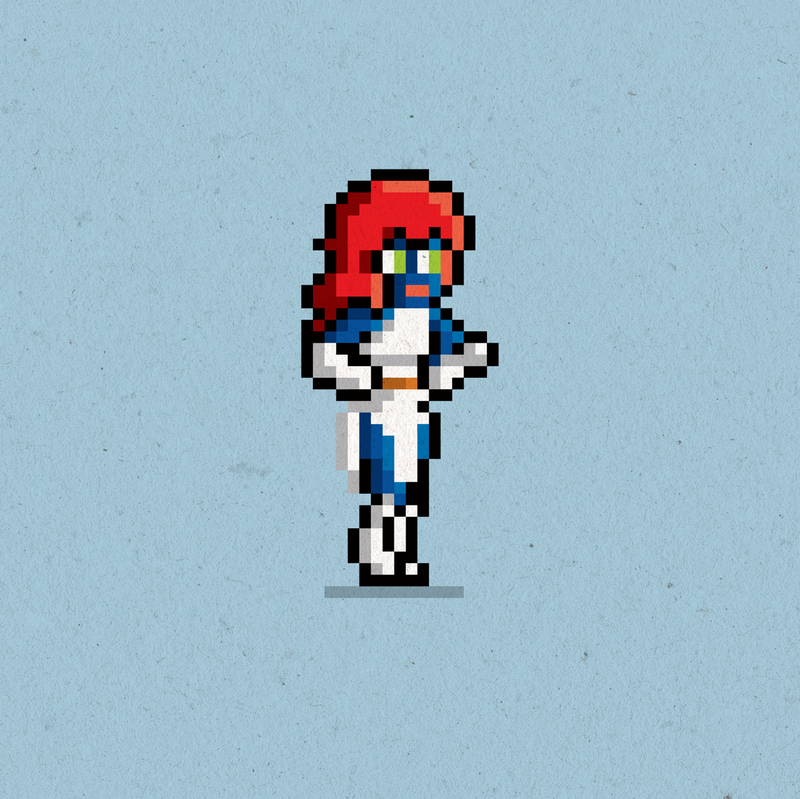
His portfolio leans heavily on superheroes, sci-fi icons, and villains. Most pixel artists tackle those subjects, but few execute them this cleanly. Recurring characters include Deadpool, Boba Fett, the Ghostbusters, and Mystique. He also draws instantly recognizable figures from comics, film, and television. What stands out is his command of basics like lighting and value. That craft is hard to pull off when every piece is only a few dozen pixels wide.
The Super Mario Bros. 3 connection
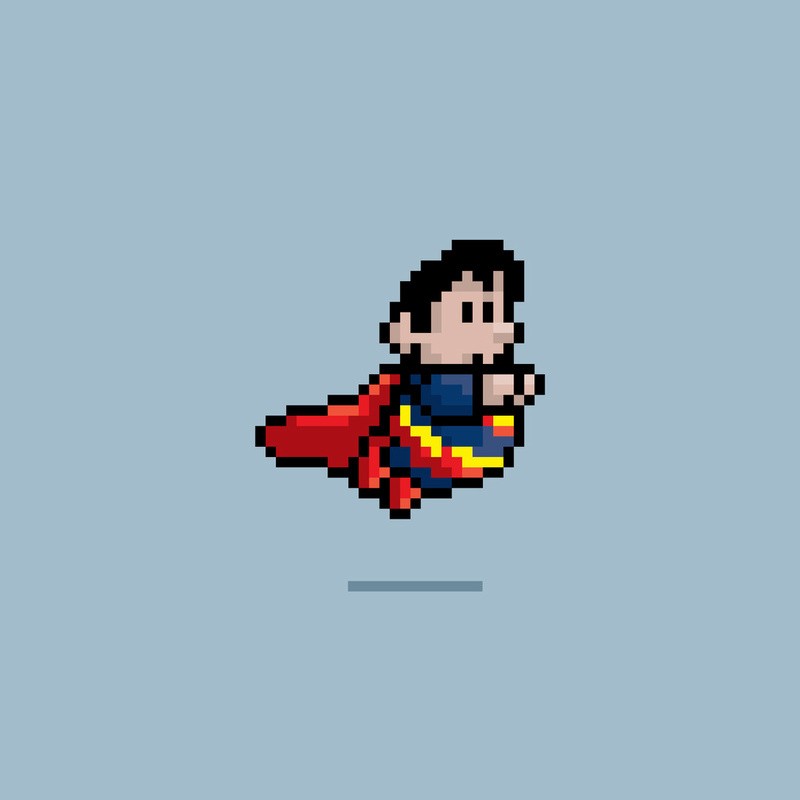
The clever twist in Castaneda’s superhero series is the pose. His heroes do not just stand around. They take flight. The pose matches the one Mario strikes after picking up a Super Leaf in Super Mario Bros. 3, that Nintendo classic from 1988. So you get Spider-Man or Wolverine mid-soar, dropped into a tiny 16×16 sprite. Pixel art fans love that kind of mash-up.
The choice is more than nostalgia bait. It is also a structural decision. Mario’s flight pose is one of the most iconic silhouettes in gaming history, and using it as a frame forces every character into the same visual rhythm. The source material does not matter. The end product reads like a forgotten cartridge full of crossover characters, one that never actually existed.
The color budget was brutal
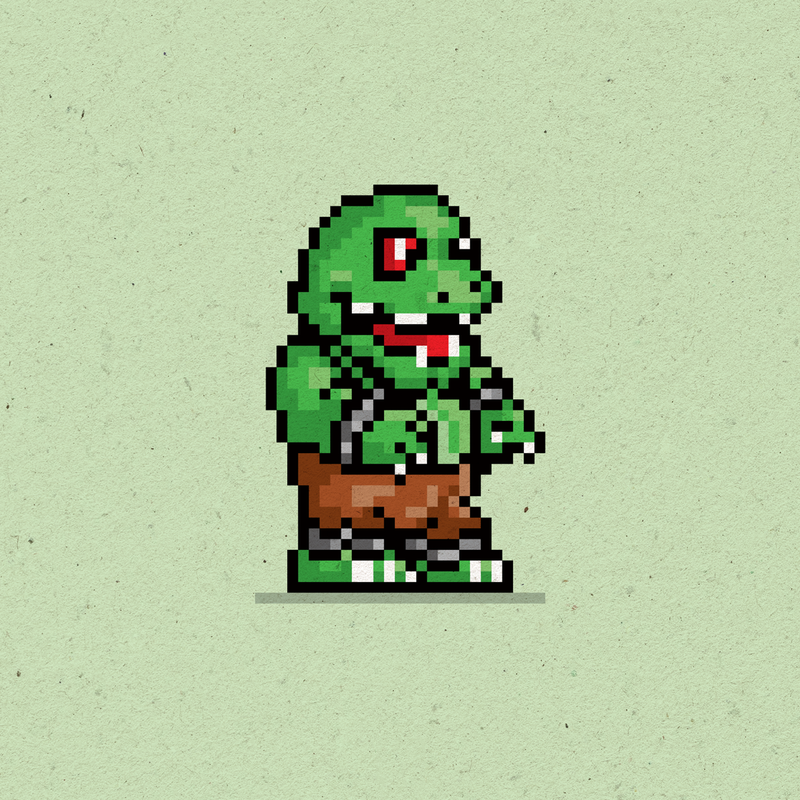
The original 8-bit era gave artists almost nothing to work with. The Nintendo Entertainment System, the Sega Master System, and the Atari 7800 all ran on tight color budgets. The NES palette generates around 54 colors, but only 25 of those can appear on screen at any moment. The system splits them into one background color plus four three-color tile sets and four three-color sprite sets. Every pixel and color choice mattered. There was no room to fake a gradient. There was no room to smooth out a curve.
Why 8-bit still works
That constraint is exactly why the style has come back. Pixel art has gone through a major revival over the last fifteen years. Indie game studios drive a big chunk of it. Contemporary digital artists drive the rest. Paul Robertson and Ivan Dixon both work in the medium, and the design collective eBoy has built an international reputation on it.
The look now reads less as a hardware limit and more as a deliberate choice. It signals nostalgia. It signals craftsmanship. Most of all, it signals respect for what artists could pull off when every pixel had to count.
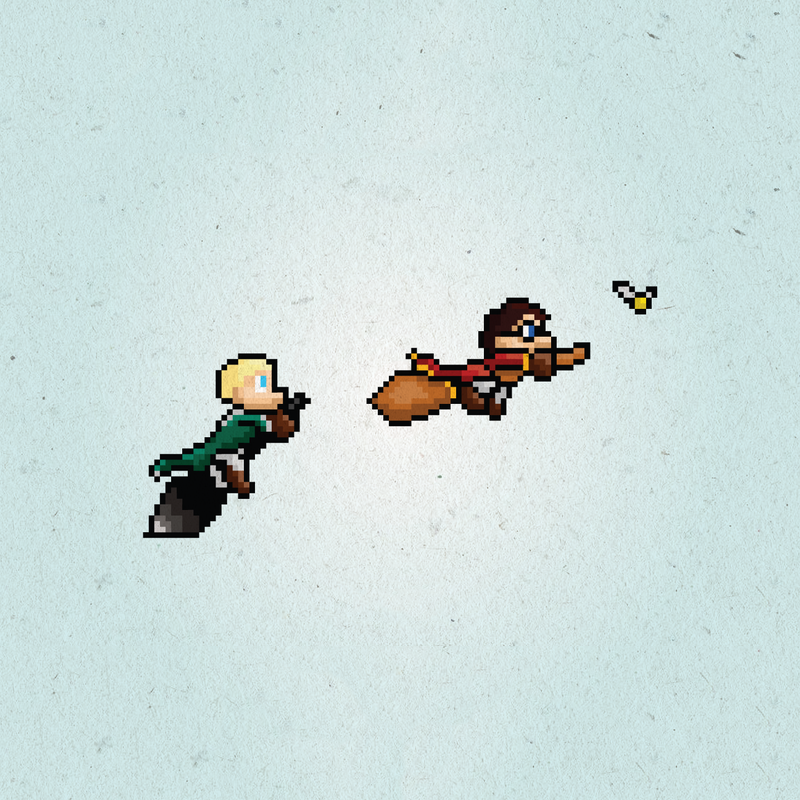
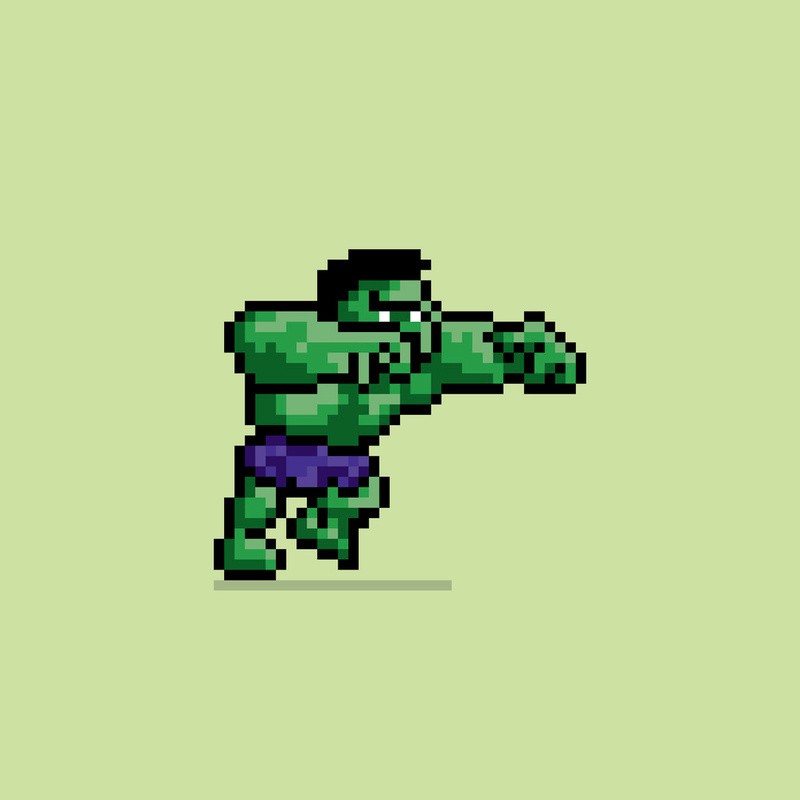
Castaneda’s series fits squarely inside that revival. He is not pretending to be a 1988 Nintendo programmer fighting real hardware limits. He uses the look of 8-bit as shorthand for a whole era of pop culture, then turns it loose on characters who mostly arrived after the era ended. That gap between the medium and the subject gives the work its charm.

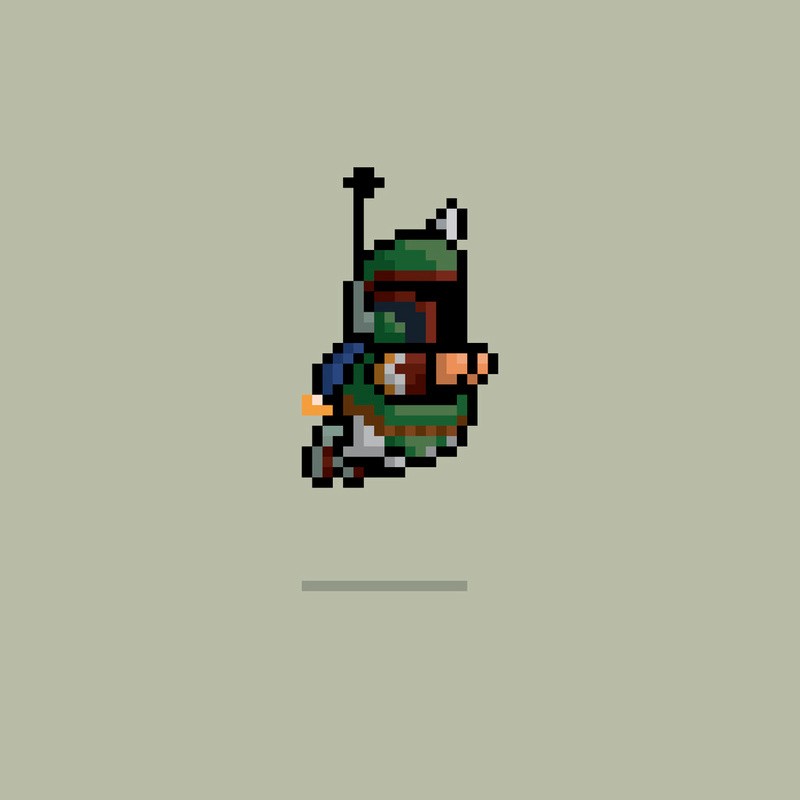
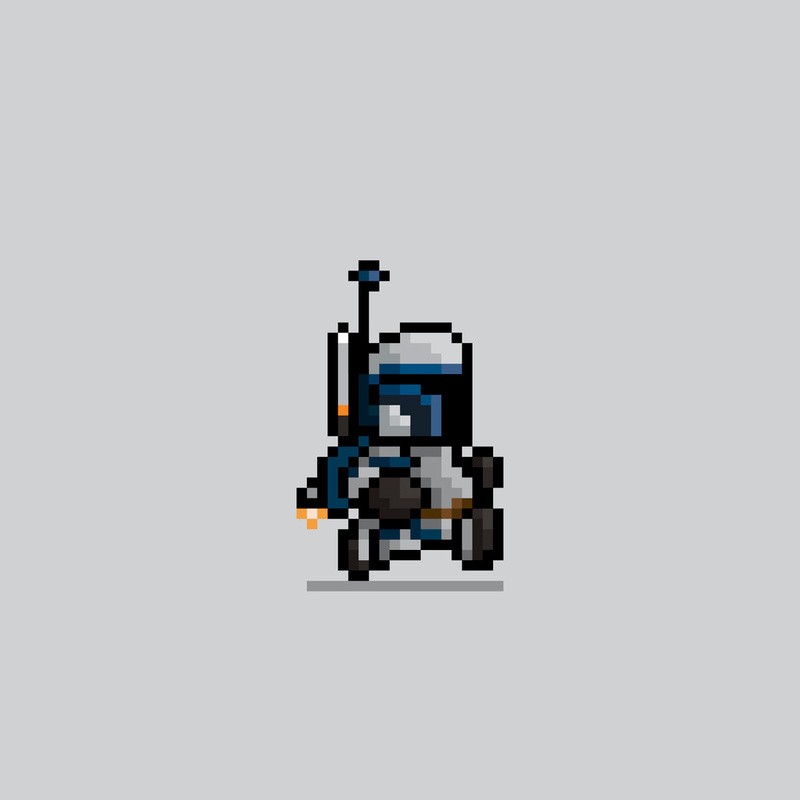


Spend a few minutes in Jesus Castaneda’s catalog and the same thing keeps happening. You squint at a sprite. It is mostly a few colored squares. Then, almost instantly, you recognize the character. And you wonder how your brain pulled it off so fast. That is the magic of pixel art at its best. Castaneda is making the case that the 8-bit format still has plenty of life left in it.
Frequently Asked Questions
Jesus Castaneda is a graphic designer based in Toronto, Canada, best known for his pixel-art series rendering superheroes, sci-fi icons, and pop culture characters in 8-bit style. He shares his work on DeviantArt, sells prints through Society6, and posts ongoing illustrations on Tumblr.
The series riffs on Super Mario Bros. 3, the 1988 Nintendo classic. Castaneda places his heroes in the same flight pose Mario takes after picking up a Super Leaf, then drops in characters like Spider-Man, Deadpool, Boba Fett, the Ghostbusters, and Mystique. The shared silhouette ties the whole series together visually.
Eight-bit pixel art is a graphics style associated with the third generation of home video game consoles, particularly the Nintendo Entertainment System, Sega Master System, and Atari 7800. The style developed under tight hardware limits, the NES palette generates around 54 colors with a maximum of 25 visible on screen at any given moment, organized as one background color plus four three-color tile sets and four three-color sprite sets.
Pixel art has experienced a strong revival over the last fifteen years, driven mainly by indie game development and contemporary digital art. The aesthetic now functions less as a hardware limitation and more as a deliberate stylistic choice that signals nostalgia and craftsmanship. Artists like Paul Robertson and Ivan Dixon, along with the design collective eBoy, have built international reputations on the medium.
Castaneda maintains an active DeviantArt profile where he posts the bulk of his 8-bit illustrations. Select pieces are available as prints through Society6, and he posts ongoing work on Tumblr. Following any of those three is the easiest way to see new pixel-art pieces as he releases them.