What Is a Chronotype Quiz — and Why Should You Take One?
A chronotype quiz helps you figure out whether your body is wired to be an early bird, a night owl, or something in between. Instead of guessing, you answer a few simple questions and get a result that matches your biological rhythm. It sounds basic, but understanding your chronotype can genuinely change how you plan your day.
Your chronotype is your body’s natural inclination toward sleep and wakefulness — essentially, the internal clock that determines when you feel most alert and when your brain starts begging for a pillow. It’s not about discipline or habit. It’s biology.
Chronotype research, popularized by sleep scientists like Dr. Michael Breus, shows that our preference for morning or evening activity is largely genetic. Your body produces melatonin and cortisol on its own schedule, and fighting that schedule is like swimming against a current — you can do it, but you will exhaust yourself.
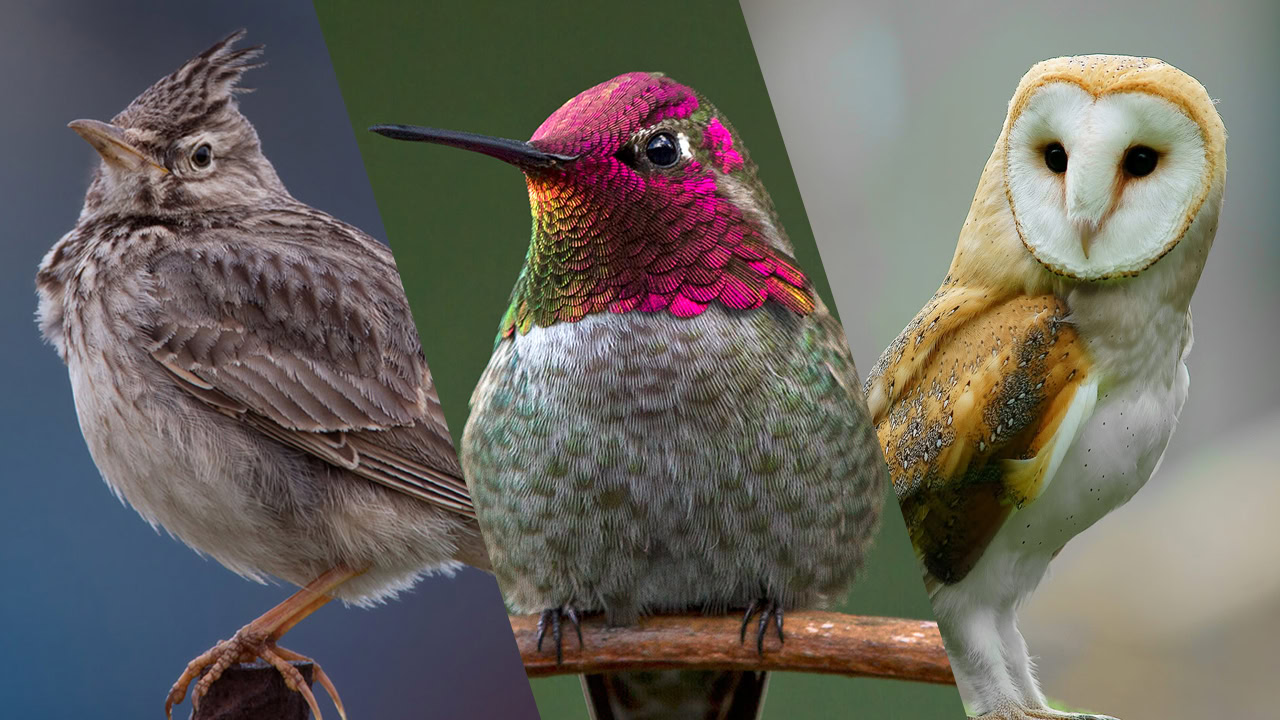
The three most commonly referenced chronotypes are the Lark (early bird), the Owl (night person), and the Hummingbird (somewhere in between). Understanding which one you are can genuinely help you structure your day for better sleep, sharper focus, and less friction with your own body. That’s exactly what this chronotype quiz is designed to reveal.
Lark vs. Owl vs. Hummingbird — What’s the Difference?
The Lark (Early Chronotype)
Larks wake up before their alarm and actually feel good about it. Peak mental energy hits in the morning — roughly between 8 a.m. and noon — and by 9 p.m., they’re fading fast. Society is basically designed for them, which is why they rarely complain about it.
The Owl (Late Chronotype)
Owls don’t truly come online until the afternoon. Their sharpest thinking and best creative output arrive somewhere between 4 p.m. and midnight — which makes the standard 9-to-5 feel like running a marathon in wet sand. Owls aren’t lazy. They’re operating on a different biological schedule.
The Hummingbird (Intermediate Chronotype)
Most people — roughly 55% of the population — fall into the Hummingbird category. Hummingbirds are adaptable, capable of adjusting to morning or evening schedules without too much suffering. It’s the least dramatic chronotype, which is precisely why it’s the most common.

How Your Chronotype Affects Your Daily Life
Once you take the chronotype quiz and know your type, you can start making smarter decisions about how you structure your day. Here’s where it matters most.
Sleep Quality
Sleep quality improves when your bedtime aligns with your chronotype. An Owl forcing a 10 p.m. bedtime will toss and turn. A Lark staying up until midnight will feel wrecked the next day. Working with your rhythm — not against it — is the simplest upgrade you can make.
Productivity Peaks
Your most demanding work should land during your natural high-energy window. For Larks, that’s morning. For Owls, that’s late afternoon into evening. Save the mindless admin — emails, scheduling, filing — for your low points. This single adjustment can change how much you actually get done in a day.

Exercise Timing
Exercise timing matters more than most people realize. Larks get more from morning workouts — their coordination and body temperature peak early. Owls perform better and have lower injury risk exercising in the late afternoon or evening. If your gym sessions feel like a slog, your chronotype might be the reason.
Social Life and Relationships
Mismatched chronotypes between partners or roommates create low-grade tension that nobody talks about but everyone feels. If one person is wide awake at 10 p.m. and the other is half-asleep, it’s not a compatibility issue — it’s a biological mismatch. Understanding this can save a lot of unnecessary friction.
A Personal Take: Why This Chronotype Quiz Matters to Me
I have always been a night person. Raring to go at 10 p.m., just about when my husband is ready for bed, and even after seven years he is still perplexed at the energy levels I have during the nights. At the same time, I’m not so good in the mornings. Never have been. I take at least half an hour to get up from the bed, I keep hitting snooze the entire time. Then I need half an hour with my coffee. I’m a slow riser.
I’m, what chronobiologists call, a “night owl.”
For years, I tried to be a morning person. Every article, every study, my parents, the society, fed me with sayings, like “the early bird catches the worm,” and I would think to myself, what does the night owl get? So, in my journey of being an entrepreneur, I tried emulating many entrepreneurs’ morning routines in the hopes of finding that key to success.
But did that work? No. Because science has now confirmed that being a morning person or an evening person may be built into our genes. This may explain why those of us who are early-to-bed, early-to-rise types, or late-to-bed, late-to-rise types, find it so hard to change our behavior.
What we can do is embrace our body clock and work with our chronotype to increase productivity. And that starts with knowing where you fall on the spectrum.
Take the Chronotype Quiz
Ready to find out? Take the chronotype quiz below and tell me what statements you identify with the most. Are you a Lark, an Owl, or a Hummingbird? Very broadly, Larks are folks who get up every morning with a spring in their step and rise up along with the sun’s first rays. Owls are most productive at night, burning the midnight oil. The rest are Hummingbirds — some more owlish, some more larkish, and some right in between.