
Other cultures have their traditions, but in the rich tapestry of Black culture, few rituals shine as brightly as dressing to the nines for Easter Sunday, or, as my family calls it, Resurrection Sunday. Because “He is risen!” It ain’t just about looking good. It is about honoring our heritage. It is about expressing faith. And most of all, it is about celebrating resilience in the face of adversity. From vibrant church services to joyful family gatherings, the day stands as a symbol of pride, unity, and the enduring spirit of our community.
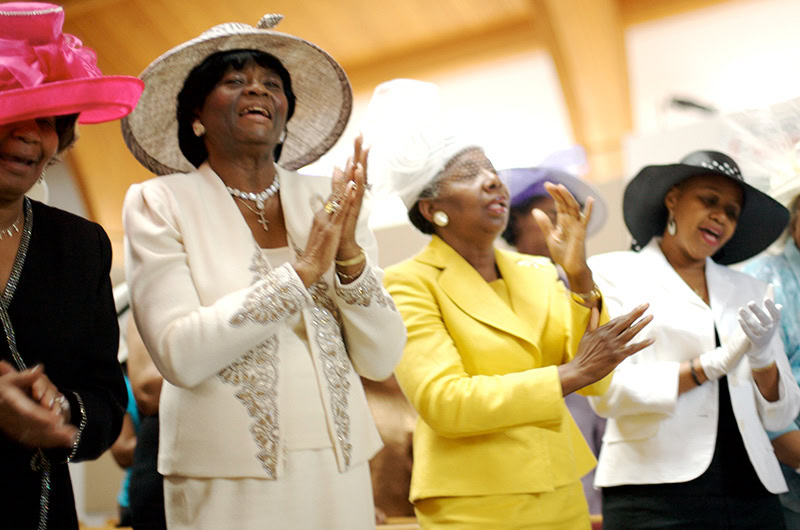
A cornerstone of Black cultural expression
For generations, Easter Sunday has been a cornerstone of Black cultural expression. Families come together to worship, reflect, and rejoice in the promise of renewal. The day gives us a chance to floss in our brightest, “cleanest” outfits, looking, as my dad would say, “CLEANER THAN THE BOARD OF HEALTH!” The pageantry is part of the praise.
To Black folks, the Easter Sunday best is more than fashion. It is a statement of identity. It is a chance to reclaim our narrative, defy stereotypes, and celebrate cultural heritage. And the looks themselves tell that story. Colorful dresses. Sharp suits. Intricate hats. Dazzling accessories. Every ensemble reflects the diversity and vibrancy of our community.
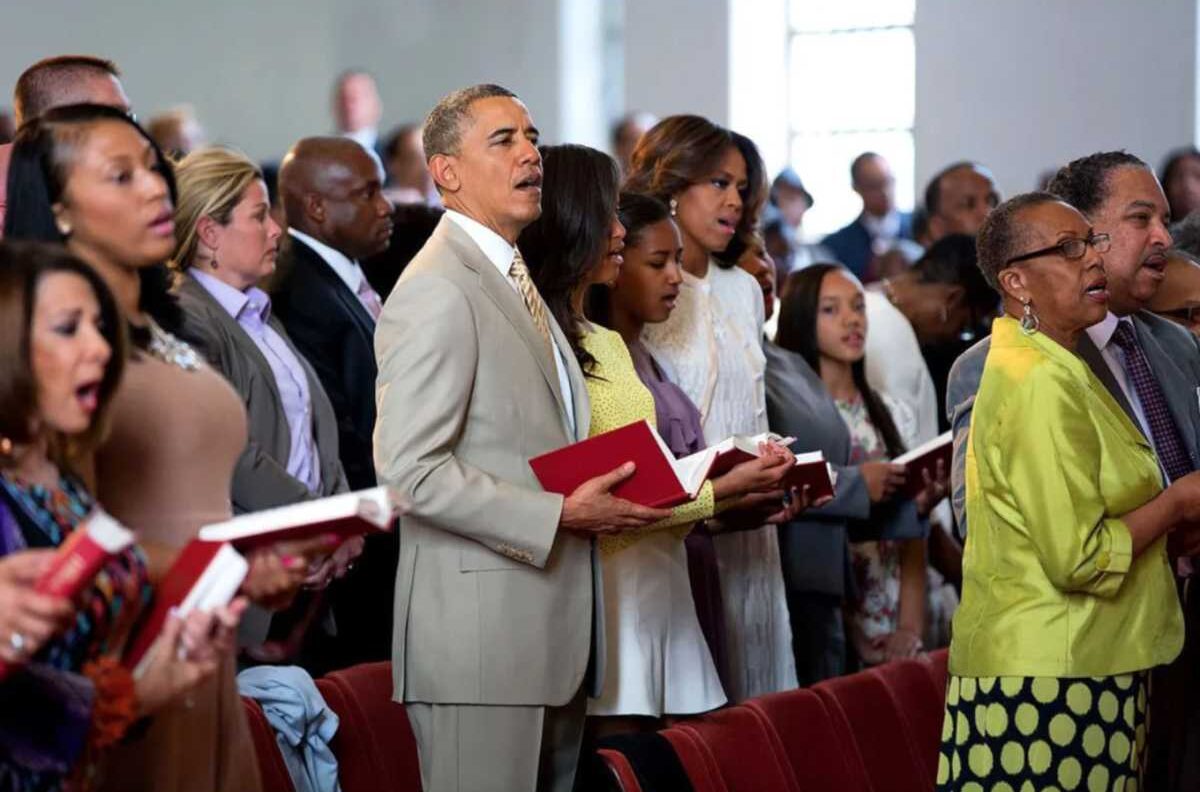
The spiritual anchor
Beyond the fashion, Easter Sunday holds deep spiritual significance for many Black Americans, especially those with Southern Christian roots. The day is a time to honor the sacrifice of the Saviour, who endured unimaginable hardships with unwavering faith. For some, it is the one time a year to “show their face in the place,” reaffirm their commitment, and consecrate their relationship with God. For others, it is non-negotiable. If they miss any service, it will not be this one.
The crowns matter too. The tradition of Black women wearing elaborate church hats has a name and a legacy. Photographer Michael Cunningham documented it in Crowns: Portraits of Black Women in Church Hats, the 2000 photo essay that later became a stage play. The hats are heirlooms, statements of faith, and symbols of dignity in a single brim.
Jubilation in the pews
In the Black church, Easter Sunday is a day of jubilation and praise. The pews fill up with soul-stirring hymns and heartfelt prayers. Congregations lift their voices in thanksgiving and worship, and the room becomes a tambourine-busting celebration of God’s love over hate, hope over despair, and grace over adversity. Yes, Lord!
The legacy we carry forward
As we celebrate the Easter Sunday best, let us remember the countless generations who came before. Their strength and courage continue to inspire us. Whether in a three-piece suit or a beautiful floral gown, we honor that legacy by embracing our culture, our faith, and our community with pride and joy. And we look forward to a future filled with hope, paid for on the cross. Happy Resurrection Sunday, folks!
Frequently Asked Questions
The tradition of “church crowns” has deep roots in Black cultural and spiritual life. Women wear them as expressions of dignity, faith, and respect for the sanctuary. Photographer Michael Cunningham documented this in the 2000 photo essay book Crowns: Portraits of Black Women in Church Hats, which was later adapted into a stage play by Regina Taylor. The hats are often heirlooms passed between generations.
Resurrection Sunday is another name for Easter Sunday used by many Christians, particularly within Black Protestant traditions. The phrase emphasizes the biblical event the day commemorates, the resurrection of Jesus Christ on the third day after the crucifixion, rather than the older Easter terminology, which has pre-Christian etymological roots.
For many Black Americans, dressing well for Easter Sunday is a form of cultural expression that ties together faith, dignity, and community pride. The tradition has roots in Reconstruction-era Black churches, where Sunday best became a public statement of self-respect during a period of widespread discrimination. Today, the tradition continues as a celebration of heritage and resilience.
The tradition of dressing in one’s best for Easter Sunday in Black congregations dates back at least to the late 19th century, with strong roots in the post-Reconstruction era. Sunday best became a way for Black families to claim public dignity in a society designed to deny it. Easter Sunday, as the most significant Christian holiday of the year, naturally became the day for the finest finery.