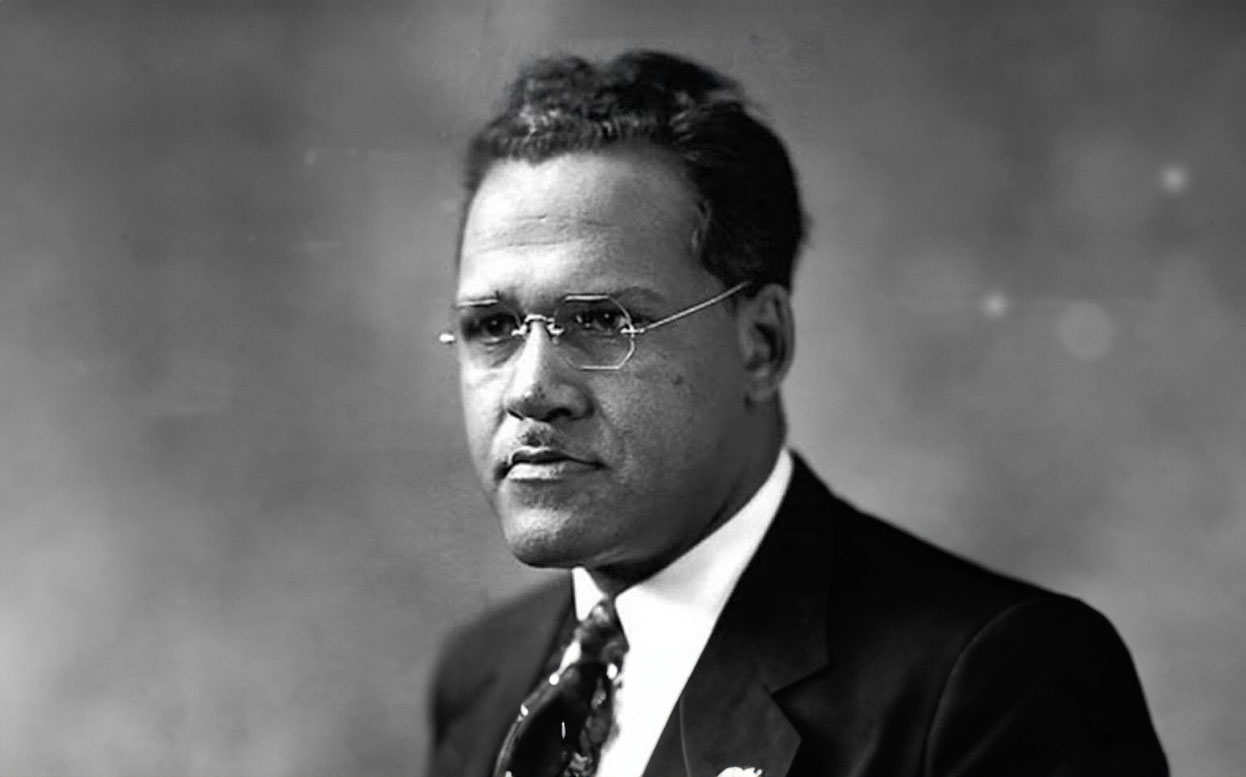
When we talk about the founders of the American car industry, the names are always the same: Ford, Olds, Dodge, maybe Durant if someone’s showing off. Charles R. Patterson never makes that list, which is a shame, because his family pulled off something none of those men did and none of their successors ever matched. Patterson was out here making moves in the shadows, an African-American Batman of automotive, and more than a century later, his family’s company is still the only African-American-owned automobile manufacturer the country has ever had.
From Enslaved to Entrepreneur
Patterson was born enslaved on a Virginia plantation in 1833. He escaped north in 1861 and landed in Greenfield, Ohio, an abolitionist town and a stop on the Underground Railroad, where he started over on a trade he taught himself: blacksmithing, learned on the floor of the Dines and Simpson Carriage and Coach Makers Company. By 1873 he’d gone into business with a white carriage builder named J.P. Lowe, a partnership worth pausing on, since Patterson had been legally owned a decade earlier. He eventually bought Lowe out and in 1893 renamed the firm C.R. Patterson & Son to bring his boy Samuel into it. By the turn of the century he employed an integrated crew of 35 to 50, offered dozens of carriage styles, and had become a genuinely respected figure in Greenfield.
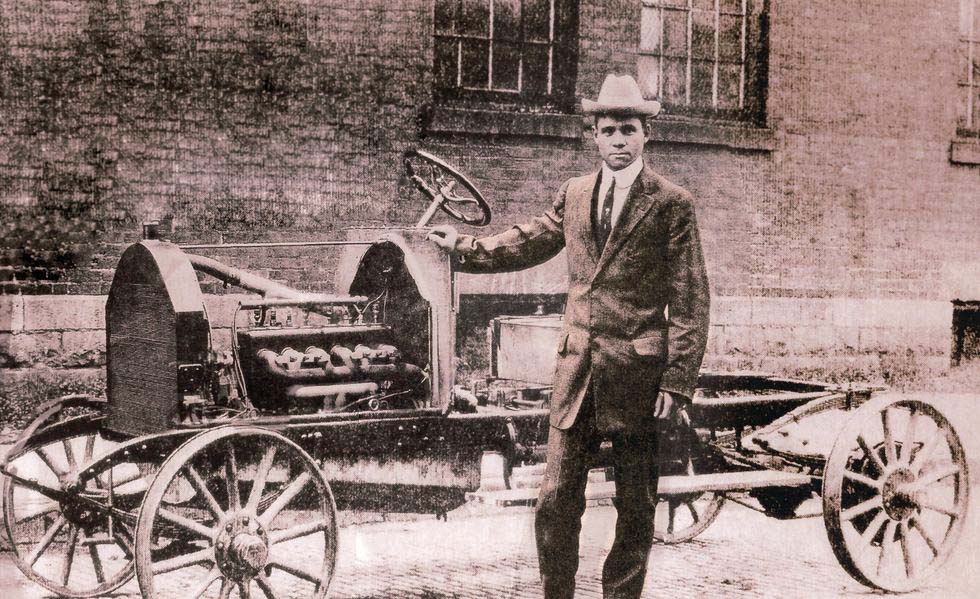
The Patterson-Greenfield Car
Charles died in 1910 and the company passed to his son Frederick, who’d already lived an unlikely life of his own, college-educated when that was rare, and the first Black athlete to play football at Ohio State. Seeing the carriage trade fading, in 1915 he introduced the Patterson-Greenfield automobile at $685, making the Pattersons the first African Americans to build cars.
It was a real machine, too: a 30-horsepower Continental four-cylinder engine, a full-floating rear axle, cantilever springs, electric starting and lighting (still a selling point in 1915), and a split windshield for ventilation. There was even a sportier model called the “Red Devil” speedster. Across the model years 1914 to 1917 they built around 150 of them. As far as anyone knows, not one survives, which is part of why the story is so easy to lose.
Why History Forgot Them
The decline came down to economics. While the Pattersons hand-built a few dozen cars a year, Henry Ford’s assembly lines in Detroit were turning out a Model T about once a minute, buying parts by the trainload at rates a family shop would never see. Frederick was clear-eyed about it: in 1918 the company went back to repair work, through the 1920s it built truck and bus bodies on other makers’ chassis, in 1938 it reorganized as the Gallia Body Company and moved to Gallia, Ohio, and in 1939, after 46 years, it closed.
The Legacy Today
In the eighty-odd years since, no one has taken that seat again. Black Americans have shaped nearly every part of car culture, from design to motorsport to customization to the whole language of what makes a car desirable, but ownership of a manufacturing company has stayed, improbably, a one-family story. I don’t think the reason you’ve heard of Ford and not Patterson says much about the work; it says more about who got to write the history. If you want more of the names the textbooks quietly skipped, we keep a running collection in Untold Heroes, and closer to home, a few you’d never guess came out of Greensboro, North Carolina.