
I am generally not an aggressive or easily agitated kind of guy. It usually takes quite a bit to stir me up. I can normally diffuse perceived tension with an “it’s all good,” letting the offending person know I acknowledge their offense without sweating it. Most exchanges land that way.
But you know how these things go. There are always individuals who enjoy pushing buttons. They drop the socially awkward, culturally tone-deaf comment without knowing where the line is, and the outcome is usually less than desirable.
Before I knew how to diagnose the nature of these “misunderstandings,” I internalized the frustration. I worked with a chip on my shoulder. I knew people said things that were sometimes racially driven, and I knew the comments stung in a way that simple repartee did not. It was the sort of encroachment you see when an unknowing soul makes the wrong hand gesture in gang territory, or when a co-worker calls you “Sista Girl” with a snap because they heard it on a movie.
What is cultural misunderstanding?
Psychology Today defines cultural misunderstanding directly:
A cultural misunderstanding occurs when something, whether a word, gesture, object, social context, or almost anything you can think of, has different meanings in two cultures. The misunderstandings sometimes get resolved. Sometimes they lead nowhere. They can also escalate to anything from love to war.
Simple misunderstandings are passable. They can almost always be forgiven for ignorance. I usually do not hold it against folks who make small unknowing mistakes. But then there are the…
“Habitual line-steppers”
You will likely come into contact with people who carry superiority complexes (in other words, douchebags). These people are close-minded and culturally inept. They point out other people’s missteps and put spins on their own. Often they do it to mask their ignorance of important social cues, like that side-eye you give them every time they refer to you as “my brotha.”
Sarcasm is the tool, and attention is the goal. The attention also gives them reason to repeat the offense, which is why I call them habitual line steppers. The worst part is that some of them think the irreverent, culturally insensitive crap they say is funny. This leads to a phenomenon I like to call…
“The blowup”
Let’s paint a picture, shall we?

You are being your normal productive self, listening to music, crossing things off your list, dodging falling bricks. You know, pretty much having a great morning. Then like clockwork, the habitual line-stepper walks over. They sarcastically say something about your “rap music” being loud (when you are actually listening to Bieber), then add a comment about how it’s no wonder “you guys” never get any work done…
Before you know it, you are assaulting them with flawlessly delivered insults, an ether-level verbal thrashing. Then something hits you. You look around. Everybody is staring. You are the angry Black man, Jamal. You have fallen into the trap. You had already been typecast for this movie, and what you thought would be your breakout performance just became another cliché role. All you keep hearing is Dennis Green’s voice yelling “the Blacks are who we thought they were!” Okay, so he didn’t say those exact words, but you get what I’m saying…
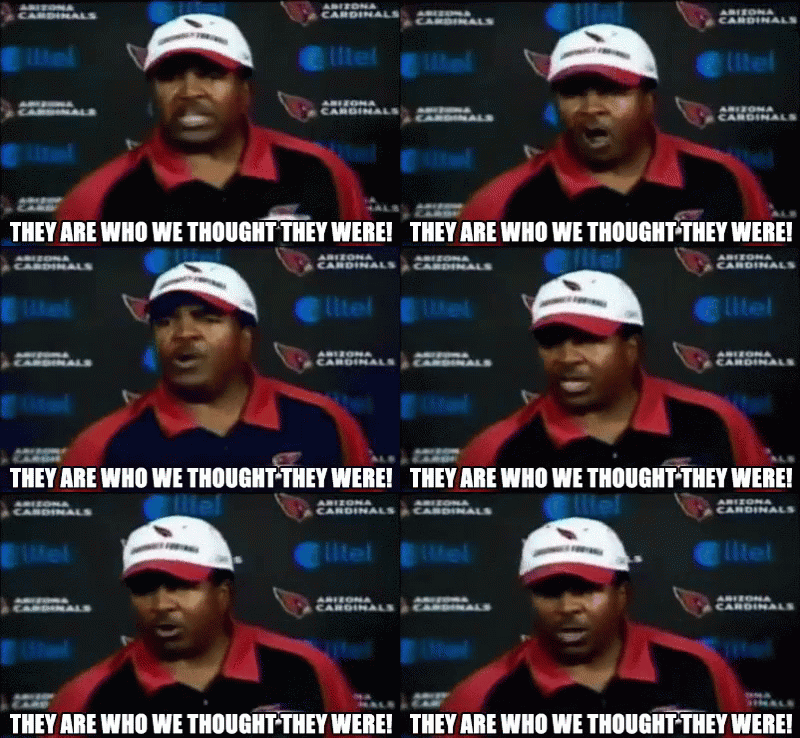
Realizing the statistics are not in your favor, you adjust your tone. You put the office voice back on and moonwalk your way back to employment. You slide in a “You know what? It’s all good,” sit back down, and save the rest for a Facebook or Twitter rant.
What I’ve learned
There is no handbook or training program that can teach you to be culturally adept. There is no guide that can prepare you for culturally inappropriate comments from others. What there is is the idea of mutual respect. Developing a fundamental understanding of your peers, their personalities and their culture, leads to healthy interpersonal relationships. I cannot expect people to respect my culture if I do not respect it myself. So I try to create teaching moments out of the times I have been offended or forced out of character. It does not have to be hostile or pointed. It should always be informative.
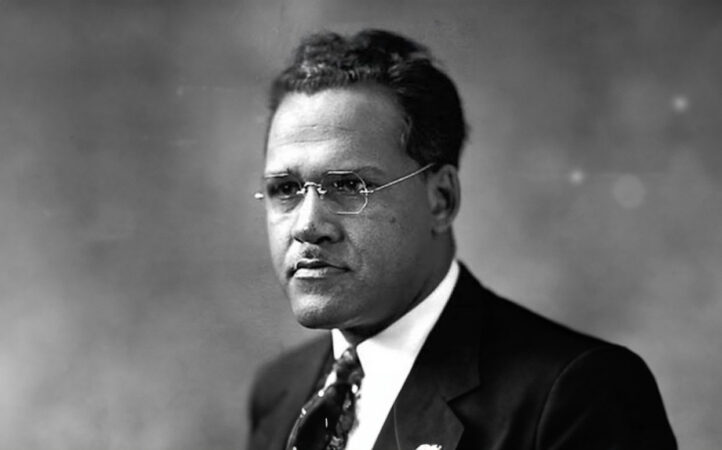
“Misunderstandings occur in all communication, even between people from the same cultural and linguistic background.” We cannot expect to get it right all of the time. But we can learn from our experiences. We can respect the differences of others while not compromising on our own.
Frequently Asked Questions
A cultural misunderstanding occurs when a word, gesture, object, or social context carries different meanings across cultures. Psychology Today and intercultural communication researchers describe it as a routine source of friction in any diverse workplace, ranging from minor confusion that gets resolved quickly to escalating conflict if left unaddressed.
Most workplace experts recommend a calm, direct, informative response in the moment, paired with documentation if the behavior is repeated. Name the impact (“when you said X, the effect was Y”), keep the tone professional, and escalate to HR only if the pattern continues. Many companies offer DEI training resources, but research from organizations like Catalyst and SHRM consistently shows that informal manager-to-peer conversations are usually more effective than formal training alone.
Yes. The term “microaggression” was coined by Harvard psychiatrist Chester Pierce in 1970 and expanded by psychologist Derald Wing Sue. Multiple peer-reviewed studies, including a 2020 review in the Journal of Counseling Psychology, link repeated workplace microaggressions to elevated stress, lower job satisfaction, and increased turnover among employees of color. The cumulative cost is well documented even when individual incidents look small.
Research from organizations like McKinsey, Deloitte, and the Society for Human Resource Management points to a few consistent levers: visible leadership support for inclusion goals, structured mentorship and sponsorship programs, transparent promotion criteria, and channels for employees to report bias safely. Accountability matters, policies without follow-through tend to backfire and erode trust.