This article is part of our complete guide to How Hip-Hop Changed Everything.
Let me be real with y’all. The history of women in hip-hop ain’t some cute little story about progress. It’s a story about women who were fire from day one. MCs, DJs, producers, dancers, writers, managers, all of it, getting told they didn’t belong in a culture they helped build. Women been part of hip-hop since the jump. Period. But the industry stayed acting like we was guests in our own damn house.
And the barriers? They was real as hell. Limited radio play. Labels tryna squeeze every woman into some hypersexual box. That bullshit “there can only be one” mentality, like talent got a gender quota. The women who broke through did it because their music was so damn undeniable that the industry had no choice but to move. Then they tried to close the door behind them. Every. Single. Time.
So let’s talk about these women for real. Not the watered-down version. The actual lineage, from the late ’80s to right now, because these artists deserve their flowers while they can still smell them.
Poll Results
Poll: Cole World, K. Dot, Drizzy, Who’s the Best in the Triumvirate

Cast your vote
Cole World, K. Dot, Drizzy, Who’s the Best in the Triumvirate
Cast your vote
Poll: Cole World, K. Dot, Drizzy, Who’s the Best in the Triumvirate
The Pioneers: MC Lyte, Salt-N-Pepa, and Queen Latifah
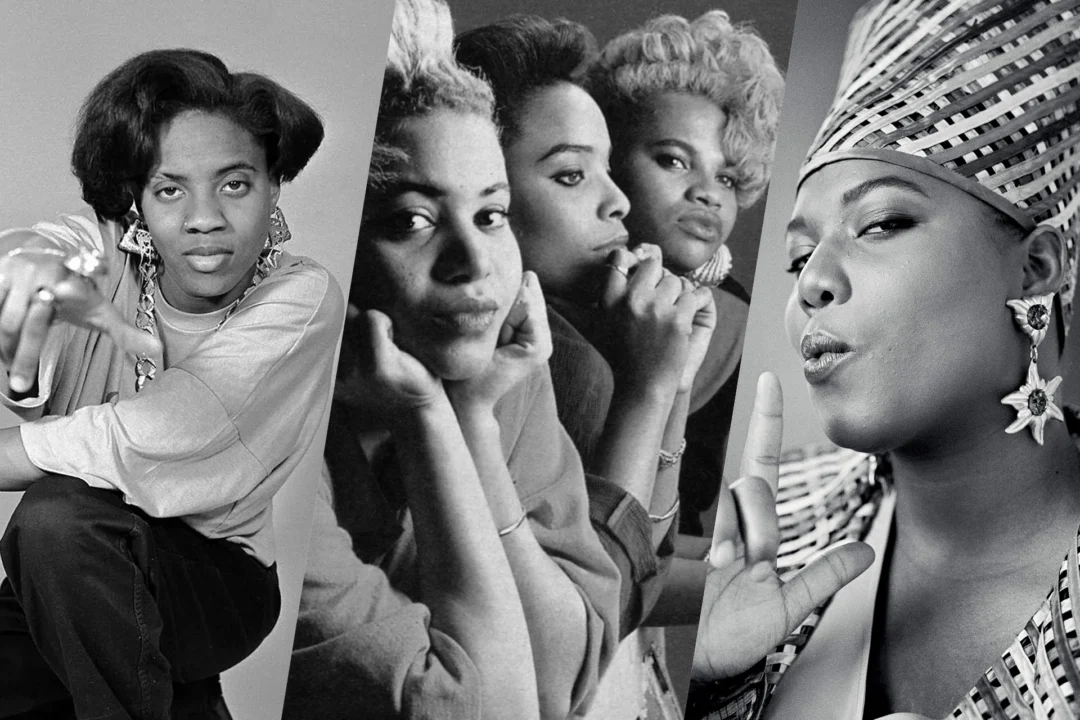
In 1988, MC Lyte dropped “Lyte as a Rock.” She was seventeen years old. Let that sit. A teenager walked into a genre run by men and said, “Nah, I belong here too.” She wasn’t rapping about being a woman in hip-hop. She was just rapping. And she was cold with it. Tracks like “10% Dis” showed battle-rap skills that could go bar-for-bar with anybody out. She didn’t ask for respect. She took it.
That album wasn’t good “for a female rapper.” It was just good. Full stop. Every woman who picked up a mic after her owes Lyte something, whether they know it or not.
Salt-N-Pepa: Pop-Savvy and Revolutionary
Then you had Salt-N-Pepa. Cheryl James, Sandra Denton, and DJ Spinderella, who came at it differently. They were pop-savvy and accessible, but don’t get it twisted. They talked about sex and relationships with a realness that was revolutionary. “Push It” was a crossover smash in ’87. “Let’s Talk About Sex” in ’91 tackled sexual health during the AIDS crisis. That wasn’t just music. That was public service. And in ’95, they won the Grammy for Best Rap Performance by a Duo or Group. First women to do that at that level. Put some respect on their names.
And then there’s Queen Latifah. Her 1989 debut “All Hail the Queen” was exactly that. A coronation. “Ladies First” with Monie Love wasn’t just an empowerment anthem. It was a lyrical flex. But what made Latifah different was she refused to be just one thing. The woman rapped, sang, and acted. On top of that, she produced and ran Flavor Unit Records. Latifah showed the world that a woman in hip-hop could be a whole mogul. Not just a voice on a track. A businesswoman, a brand, a force. Her Oscar nomination years later? That’s hip-hop versatility in action.
Shout-Out to the Ones Who Paved the Way
And while we’re here, we gotta talk about the other pioneers too. Da Brat became the first solo female rapper to go platinum with “Funkdafied” in ’94. Bahamadia was out here spitting some of the smoothest, most technically flawless verses in the mid-’90s. Rah Digga held it down with the Flipmode Squad and proved she could run with any crew. These women don’t always get the headlines. But they laid bricks in the foundation. Respect is owed.
Lauryn Hill and the Miseducation of an Industry
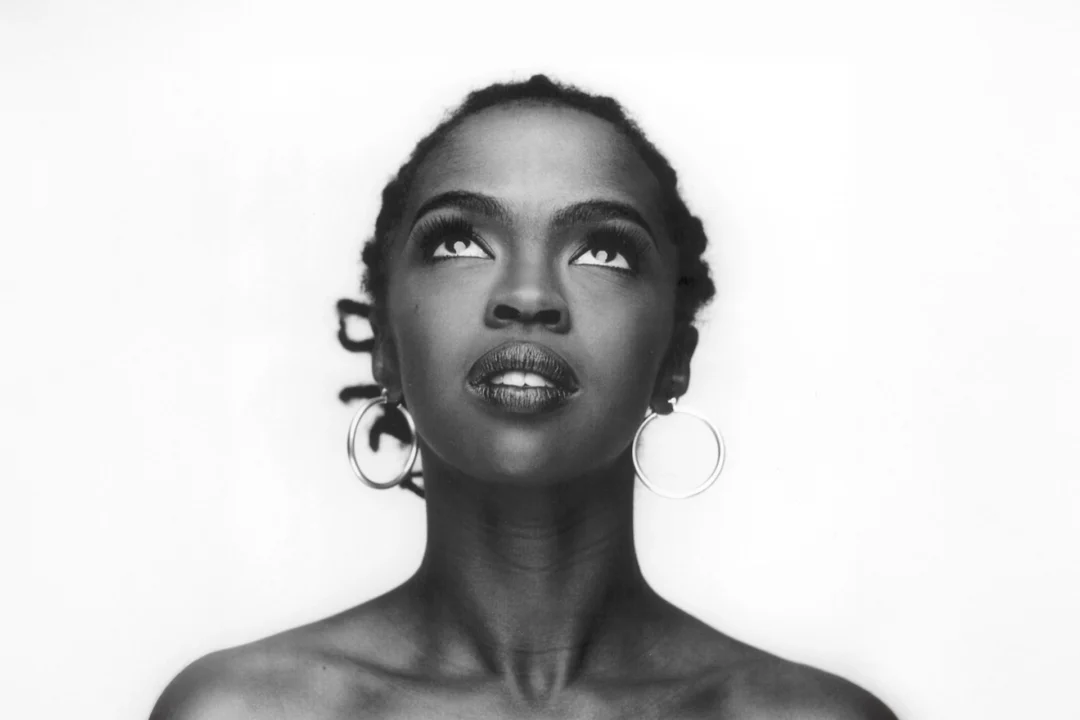
If there’s one album that proves women in hip-hop can make the best shit out, and also shows how the industry eats them alive, it’s “The Miseducation of Lauryn Hill.” Released in 1998, this album was everything. The woman rapped and sang. Every track tackled love, motherhood, spirituality, and heartbreak with a depth that most artists never touch in their entire careers.
It debuted at number one. It won five Grammys in one night. Album of the Year included. Hill became the first woman to ever do that. And “Miseducation” wasn’t just critically acclaimed. It sold millions. It proved a woman could dominate hip-hop and R&B at the same time, on her own terms. No compromises. No dumbing it down.
Then what happened? The industry happened. Legal disputes over production credits. Pressure to repeat a masterpiece. The machine that profited off her genius tried to squeeze more out of her than any human should have to give. Hill stepped back. And honestly? I get it. The music industry has a nasty habit of consuming the women who make its most important work. They’ll take everything you got and then ask why you’re tired.
But here’s what “Miseducation” settled once and for all. A woman in hip-hop didn’t just make the best “female rap album.” She made the best album. Period. The fact that the industry couldn’t build on that? That’s their failure, not hers.
Missy Elliott, Lil’ Kim, and the Expansion of Possibility
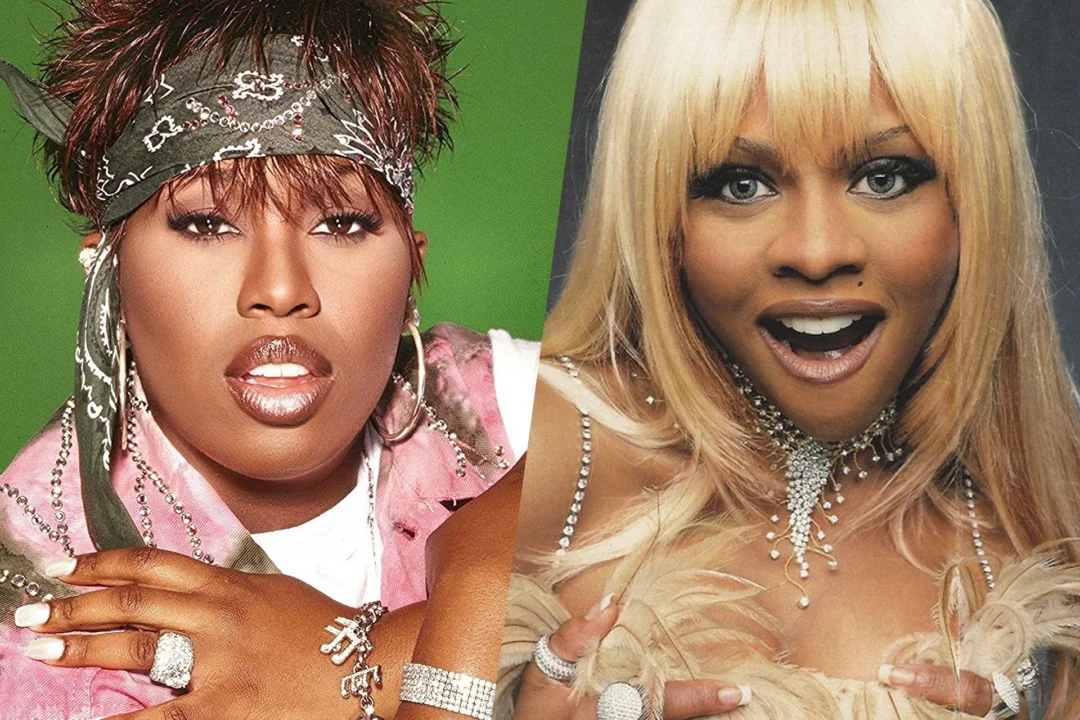
Missy and Kim get talked about together a lot because they came up in the same era. But their contributions were totally different, and both were essential as hell.
Missy Elliott: A Creative Genius With No Parallel
Missy Elliott was, and still is, on some other shit creatively. As a rapper, singer, songwriter, and producer with Timbaland, she made music that sounded like nothing else on the planet. Her videos with Hype Williams and Dave Meyers were cultural events. Remember the trash bag suit from “The Rain (Supa Dupa Fly)”? That image is iconic as hell. It was deliberately anti-glamorous. A whole rejection of the idea that women in hip-hop gotta look a certain way to matter.
Her resume is insane. She wrote and produced hits for dozens of artists across every genre. In 2019, she became the first female rapper in the Songwriters Hall of Fame. In 2023, she got inducted into the Rock and Roll Hall of Fame. These aren’t just personal wins. They’re proof that a Black woman working in hip-hop created a body of work worthy of the highest honors in American music. And that matters.
Lil’ Kim: Unapologetic and Unmatched
Kim’s 1996 debut “Hard Core” was a whole earthquake. She was sexually explicit in a way that claimed the same damn agency male rappers always had. She wasn’t singing about being wanted. Kim was rapping about what she wanted. Her desires, her power, her pleasure. The discomfort people felt about that? That says more about them than it does about her.
And her fashion impact? Legendary. The designer fits, the wigs, the red carpet looks that were straight-up performance art. She built a template that artists still pull from today. Now, was the line between her agency and the industry exploiting her always clear? No. But that conversation applies to damn near every woman in hip-hop who’s used sexual expression as art. Sitting with that complexity is part of being honest about it.
Foxy Brown, Eve, and Trina Deserve Their Flowers Too
While we’re in this era, we can’t skip Foxy Brown. “Ill Na Na” in ’96 went platinum, and Fox was only seventeen. She was sharp, she was provocative, and she held her own with Jay-Z and Nas on features. Then there’s Eve, who was the first lady of Ruff Ryders and proved you could be hard and versatile. “Let Me Blow Ya Mind” with Gwen Stefani won a Grammy. Eve went on to build a whole acting career too. And Trina, the baddest bitch, literally. She’s been putting on for Miami since ’98 and influenced damn near every female rapper who came after. These women shaped the game in ways that don’t always make the highlight reel. That needs to change.
Nicki Minaj: Breaking Barriers and Holding the Door
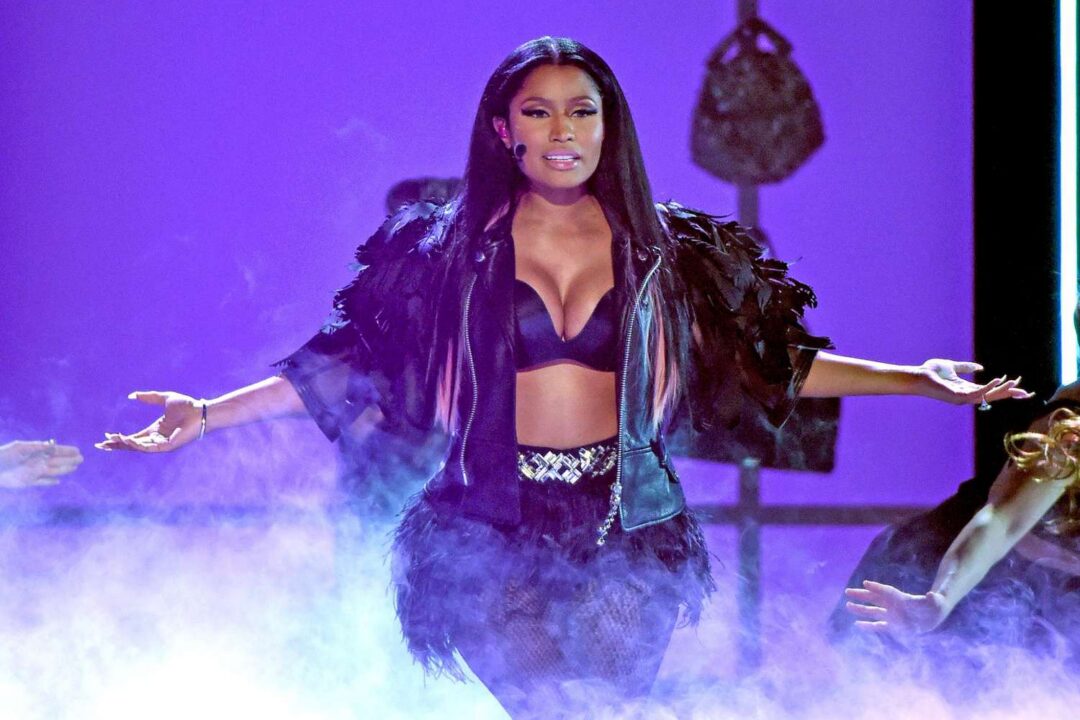
For most of the late 2000s, there was a drought. The “only one female rapper at a time” bullshit had left a gap. Then Nicki Minaj came through around 2010 and blew the whole thing open.
Her skill set was wild. Her bars were technically precise. She could flip between personas, sweet, aggressive, cartoonish, dead serious, in one verse. Commercially, she crossed genres without breaking a sweat. “Pink Friday” in 2010 went platinum. Her run through the early-to-mid 2010s was pure dominance.
But Nicki’s impact goes way beyond music. She proved a female rapper could sustain a career at the highest level for years. Not one album cycle. Years. She showed that versatility was a superpower, not a sellout move. And she built the Barbz, a fanbase as intense and loyal as any in pop music. Female rappers could command that kind of devotion too. She proved it.
Has she caught criticism? Hell yeah. Some of it fair, some of it rooted in the double standards that stay haunting women in this genre. Male rappers beef constantly and get praised for being “competitive.” A woman does it and she’s “tearing other women down.” Whether you love Nicki or not, what’s undeniable is that her success opened doors for the women who came after. That’s just facts.
Rapsody: The MC’s MC
And look, you can’t talk about this era without mentioning Rapsody. She ain’t chasing radio play or doing the viral moment thing. Rapsody is just out here being one of the best lyricists alive, period. “Laila’s Wisdom” in 2017 got a Grammy nomination for Best Rap Album. “Eve” in 2019 was a masterpiece where every track was named after a Black woman who changed the world. She carries the legacy of conscious hip-hop with a pen game that most male rappers can’t touch. Rapsody is proof that you don’t have to play by the industry’s rules to be great. You just have to be undeniable.
Cardi B, Megan Thee Stallion, and the New Era
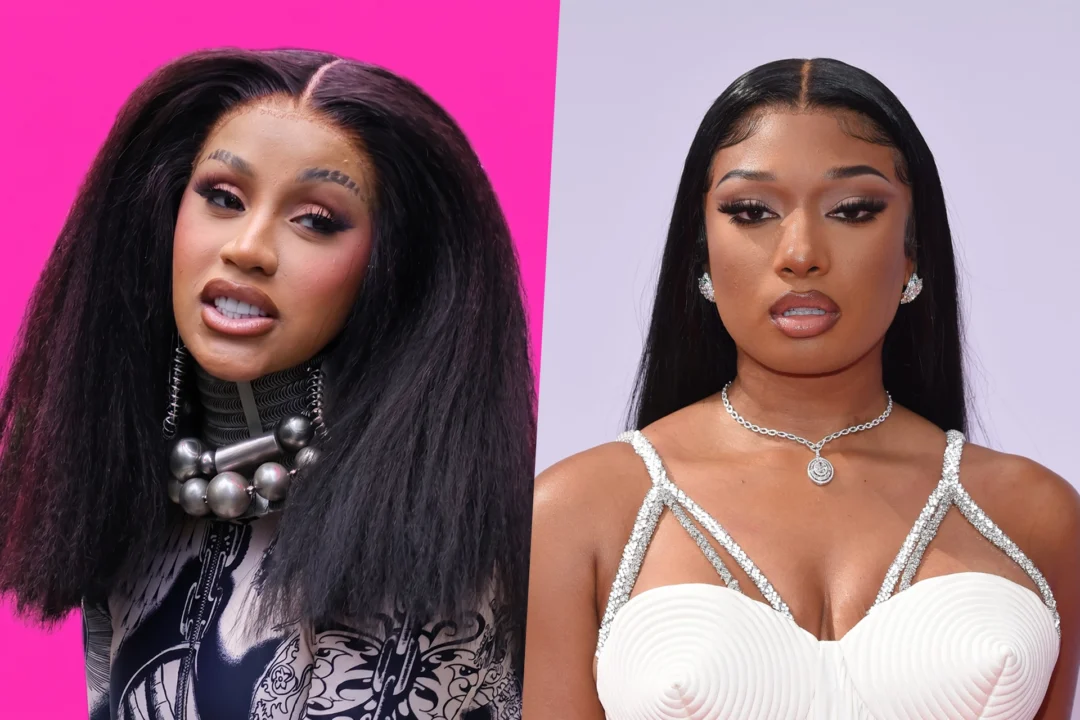
When Cardi B’s “Bodak Yellow” hit number one in September 2017, that was history. It was the first solo female rap track to top the Hot 100 since Lauryn Hill’s “Doo Wop (That Thing)” in 1998. Almost twenty damn years. Think about that. Twenty years of women making incredible music and not a single one reaching the top solo. The talent was there. The audience was there. The industry just wasn’t supporting women at that level.
Cardi’s rise from reality TV to the top of hip-hop got scrutinized with a condescension they’d never aim at male artists with unorthodox backgrounds. But she didn’t care. “Invasion of Privacy” won Best Rap Album at the 2019 Grammys, making her the first solo female artist to win that. Her authenticity, the unfiltered personality, the refusal to be somebody she ain’t, connected with people in a way no manufactured image could.
Megan Thee Stallion and the Hot Girl Renaissance
Megan brought something else entirely. Deep Southern hip-hop roots. Freestyle skills that could shut down a cypher. And she was out here getting her college degree the whole time. She challenged every lazy stereotype about who female rappers are. The “Hot Girl” ethos wasn’t just about looking good. It was about confidence, bodily autonomy, and a feminism that was joyful and rooted in hip-hop culture, not borrowed from a textbook.
The Roster Is Deep Now, And That’s the Whole Point
Here’s what’s different about right now. For the first time ever, multiple women are winning at the highest level simultaneously. Cardi B. Megan Thee Stallion. Doja Cat. GloRilla. Latto. Ice Spice. Doechii. Sexxy Red. City Girls. BIA. Saweetie. The roster is deeper than it’s ever been. And that “there can only be one” ceiling? It’s cracking. Maybe not fully broken yet. But it’s cracking.
Shout-out to Noname and Tierra Whack too, because the women doing innovative, boundary-pushing work outside the mainstream deserve recognition just as much. Noname’s “Room 25” and Tierra Whack’s “Whack World” proved that experimentation and artistic ambition aren’t just for the guys. These women are expanding what hip-hop even sounds like.
Beyond the Microphone: Women Shaping Hip-Hop Off-Stage
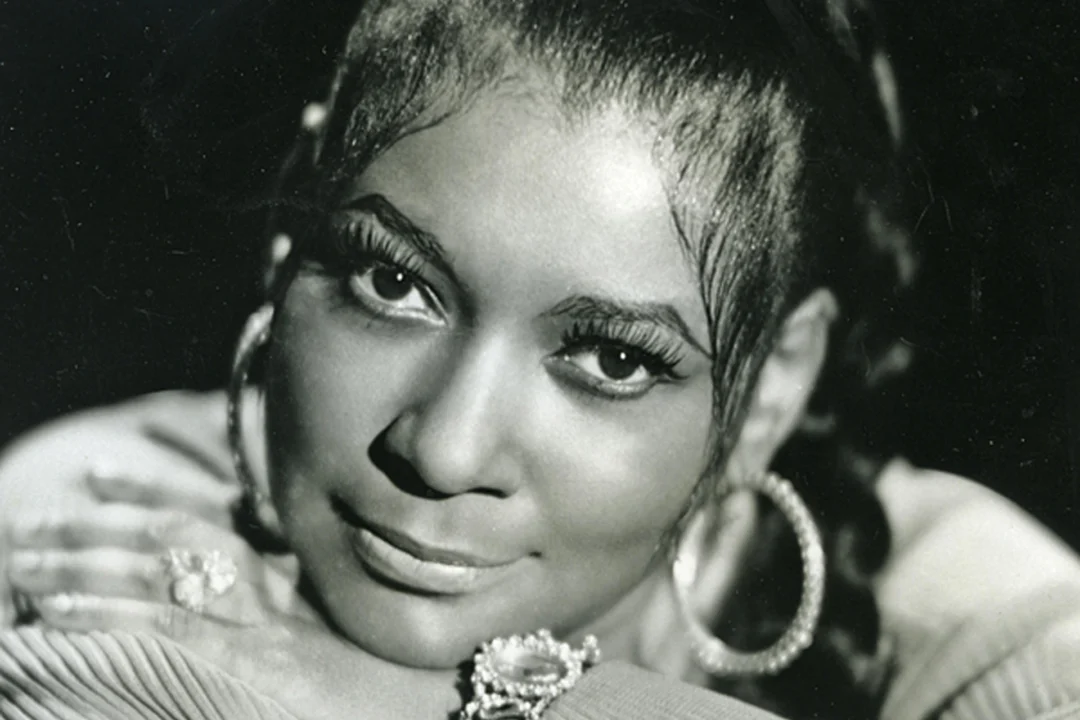
Real talk, if we only talk about the women on the mic, we’re telling half the story. Women shaped hip-hop as executives, managers, journalists, choreographers, stylists, and A&R reps. Most of them never got the credit they deserved.
Sylvia Robinson co-founded Sugar Hill Records and produced “Rapper’s Delight” in 1979. That’s the record that brought hip-hop to the mainstream. She saw the commercial potential of this culture before the rest of the industry even knew what it was. Without her vision, hip-hop’s timeline looks completely different.
The Invisible Labor That Built Hip-Hop
Behind the scenes, women have been the backbone of hip-hop businesses since forever. Managing tours. Negotiating contracts. Building fan communities. Running the day-to-day operations so male artists could focus on creating. That work has been invisible and underpaid for decades. And the irony of that happening in a genre that prides itself on authenticity and self-determination? It’s thick.
The Table Is Getting Bigger, But It Ain’t Big Enough Yet
More women are finally getting into production, engineering, and executive roles. But the numbers are still embarrassingly lopsided. Studies keep showing women are dramatically underrepresented behind the boards in every genre. Hip-hop is no different. If young girls don’t see women producing and engineering, they won’t think those paths are for them. It’s a cycle that won’t fix itself.
This story ain’t over. In a lot of ways, it’s just getting to the good part. The women who fought for a seat at the table didn’t just pull up a chair. They proved the table was too damn small. They forced the culture to build a bigger one. And whether that table is big enough yet? That’s on us. The next generation of women in hip-hop will answer that with their work. But from where I’m sitting, it’s looking pretty fire.
Frequently Asked Questions
MC Lyte’s ‘Lyte as a Rock,’ released in 1988, is the first solo album by a female rapper on a major label. She was just seventeen. Tracks like ‘10% Dis’ showed battle-rap skills that could hold up against anyone. She proved women could compete in hip-hop’s most aggressive arena without compromise.
Lauryn Hill won five Grammy Awards at the 1999 ceremony, including Album of the Year. She became the first woman to win five Grammys in one night. The album debuted at number one and blended rapping and singing while covering love, motherhood, spirituality, and betrayal. It’s widely considered one of the greatest hip-hop albums ever made.
Yes. Cardi B won Best Rap Album at the 2019 Grammys for ‘Invasion of Privacy,’ making her the first solo female artist to take that award. Her single ‘Bodak Yellow’ topped the Hot 100 in 2017, the first solo female rap track to hit number one since Lauryn Hill’s ‘Doo Wop (That Thing)’ in 1998.
Missy Elliott joined the Songwriters Hall of Fame in 2019 as the first female rapper. Then in 2023, she got inducted into the Rock and Roll Hall of Fame. Both honors recognize decades of groundbreaking work as a rapper, singer, songwriter, and producer who pushed hip-hop and pop music forward.
Rapsody is one of the best lyricists in hip-hop, regardless of gender. Her 2017 album ‘Laila’s Wisdom’ earned a Grammy nomination for Best Rap Album. Her 2019 album ‘Eve’ was a concept project with every track named after an influential Black woman. She carries the legacy of conscious hip-hop with a pen game most rappers can’t touch.