The Genesis and Zenith of NFTs
The rise of NFTs seized a cultural moment, drawing viral interest from digital artists looking to score on their next piece to financial mavens hoping to secure the next Holy Grail piece of art. They promised a new realm of digital exclusivity. These tokens offered a slice of cyberspace where replication was no more. To own an NFT was to hold something as unique as the Mona Lisa’s mysterious smile, a stake in digital rarity and ownership on an unchangeable public ledger.
Covid-19’s confines catapulted this trend, heralding digital ownership’s prestige. The rally wasn’t merely about possession; it was about belonging to an ephemeral moment, grabbing a slice of cyber status, and maybe making a savvy investment while you were at it.
For creatives, this spelled a renaissance, birthing fresh avenues to profit off pixels and prominence. From virtual Van Goghs to digital doodles, NFTs were the new canvas for monetization and fame.
The Downward Spiral: An NFT Requiem
Then the narrative took a hard turn. The once resounding buzz around NFTs faded to a soft murmur. A post-pandemic return to pragmatism marked the beginning of a descent. The market, once vibrant and burgeoning with opportunity, became saturated, diluting the initial fascination and disturbing the balance of supply and demand.
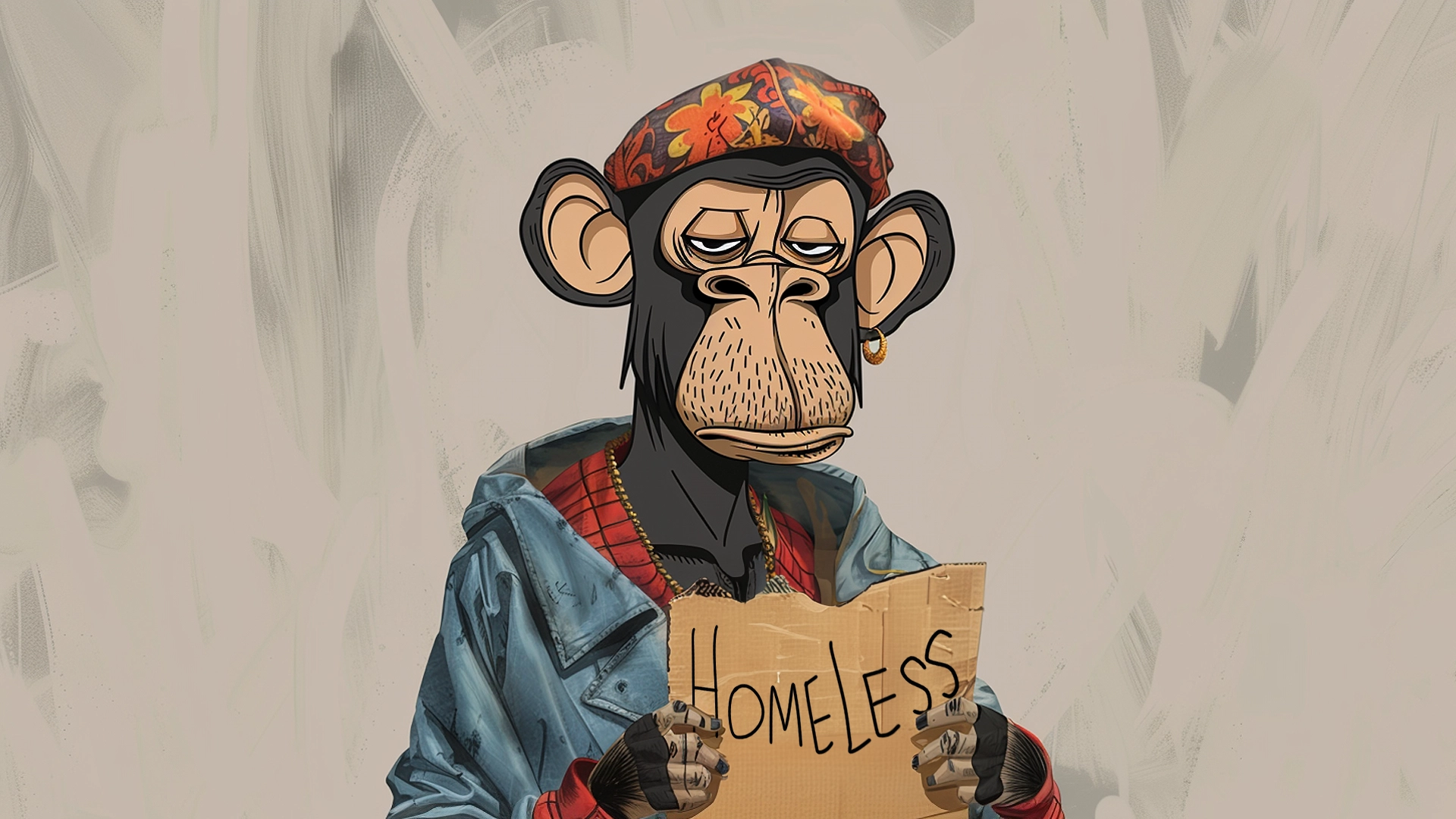
Economic uncertainties further disentangled this fledgling domain. The financial hangover of the pandemic tightened wallets. The cryptocurrency bedrock of NFTs began to crumble, dimming the previously glowing narrative of digital ownership. Even so, phenomena like the Bored Ape Yacht Club momentarily illuminated the unique crossover between digital assets and real-world privileges, offering holders not just ownership of unique digital art but keys to exclusive events and circles. Still, the tales of high-profile figures like Kevin Hart and Justin Bieber, who faced significant losses on their NFT investments, starkly illustrated that not even the allure of real-world exclusivity could insulate the wider NFT market from its fundamental challenges.

Deciphering the Downturn
This wave of digital disillusionment reflects the NFT phenomenon’s swift rise and the sobering recalibration that followed. The story of the NFT market’s contraction is intertwined with broader disturbances in the tech and cryptocurrency sectors, a stretch marked by rapid economic shifts and notable crises.
Catastrophes like Terra Luna’s implosion and FTX’s downfall weren’t just isolated incidents. They acted as ominous signals prompting a wider reassessment of digital asset values and investor confidence. These shocks to the crypto ecosystem underscored its inherent instability and cast long shadows over the once-promising NFT space.


The global economic downturn, with rising inflation and the cost-of-living squeeze, further curbed the once-ravenous appetite for speculative NFT investments. Transitioning from pandemic-induced digital enthusiasm to a more cautious financial environment exerted considerable pressure on the NFT market. The heavy losses celebrities racked up in their NFT ventures highlighted the market’s inherent volatility and the speculative risks tied to digital asset investments.
Poll Results
Poll: If you had to scrap all social media except one, which would you keep?


Cast your vote
If you had to scrap all social media except one, which would you keep?
Cast your vote
Poll: If you had to scrap all social media except one, which would you keep?
Where NFTs Actually Landed
So here’s the part the 2021 hype crowd didn’t see coming: NFTs didn’t die. They just got smaller, quieter, and a lot less interested in your attention. The speculative circus left town, taking the celebrity drops, the metaverse-vault roadmaps, and the apes flipping for six figures with it, and what stayed behind is a market built around people who actually use the things.
The numbers tell the story without the drama. Ethereum NFT trading runs around $700 million a month in early 2026, a real market but a sliver of the multi-billion-dollar peak, with the money pooled in a handful of projects instead of sprayed across thousands. The dividing line now is utility: projects with revenue, working tech, and an actual community made it; the ones selling vibes and a Discord invite mostly evaporated.
The real growth moved somewhere most people aren’t looking. Gaming NFTs on chains like Immutable, Polygon, and Ronin have climbed sharply year over year, because an in-game item people actually use beats a JPEG nobody does. And the boring-but-real corner is tokenized real-world assets: ownership records for things like real estate (Propy), invoice financing (Centrifuge), and rental-property shares (Roofstock onChain). Less “own a cartoon,” more “own a verifiable slice of an actual thing.”
As for the icons of the boom, your CryptoPunks and Bored Apes, they’ve settled into being digital antiques: relics of a moment, valued more for getting there first than for anything they do. Fitting, for a craze that was always half art and half adrenaline. NFTs went from a get-rich-quick gold rush to plumbing: less exciting, and a lot more likely to still be here in ten years.